Things Not Made
A woman fights for survival against a cosmic entity in a distorted Liverpool.
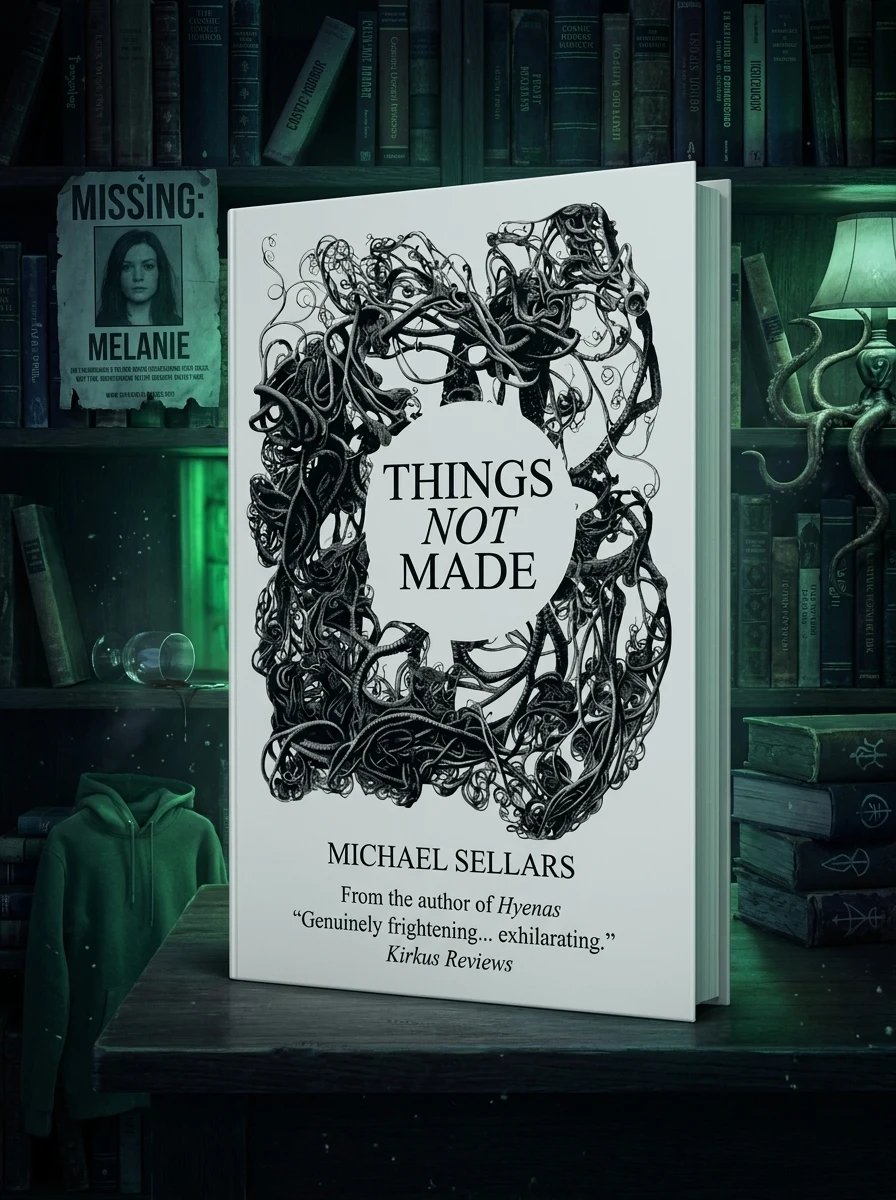
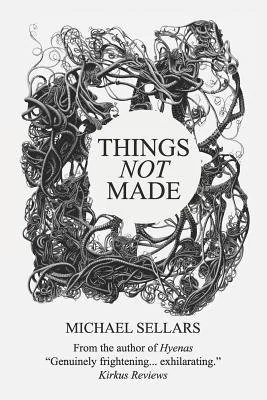
Sellars constructs a tense pursuit narrative centered on Holly Oliver, who wakes up in a nightmare version of her city after being drugged. The plot hinges on her isolation from reality and her desperate attempts to evade the man in the green hoodie. Meanwhile, Melanie’s parallel journey to locate her missing friend creates a dual timeline of increasing peril. The book draws on cosmic horror tropes while maintaining a grounded emotional core focused on the bond between two friends. Kirkus Reviews notes the work evokes classic literature alongside traditional horror elements, suggesting a literary approach to genre fiction that prioritizes mood and psychological impact over gore.
This 2019 independent publication by Michael Sellars sits within the contemporary horror landscape. It draws on classic literature and traditional horror tropes to create a modern tale of dread. The setting in Liverpool grounds the supernatural events in a specific, recognizable urban environment for American readers unfamiliar with the city.


📝 Description: Things Not Made
💎 Our verdict on Things Not Made
📖 Why choose it
Why this book is worth reading
Readers who appreciate atmospheric dread and psychological tension will find significant value in this narrative. It offers a grounded emotional core focused on the bond between two friends, making the supernatural peril feel personal and urgent rather than abstract. Those seeking lighthearted entertainment or traditional jump scares may find it too subtle, but fans of literary horror will appreciate how Sellars blurs the line between the mundane and the terrifying. The book provides a genuinely frightening experience that evokes classic literature alongside traditional horror elements, rewarding patience with a deeply unsettling exploration of isolation and cosmic indifference within a familiar urban setting.
⭐ Reader reviews
Reader rating
Sellars constructs a tense pursuit narrative centered on Holly Oliver’s desperate attempts to evade an entity in a distorted Liverpool. By grounding supernatural horrors in a recognizable cityscape, he creates an immediate sense of unease that escalates through Melanie’s parallel search for her missing friend. The dual timeline structure effectively heightens the peril, ensuring the reader feels the weight of each character's isolation. Kirkus Reviews notes the work evokes classic literature alongside traditional horror elements, suggesting a literary approach to genre fiction. This book suits those who prioritize mood and psychological impact over gore, offering a subtle yet powerful entry into cosmic horror that lingers long after the final page.