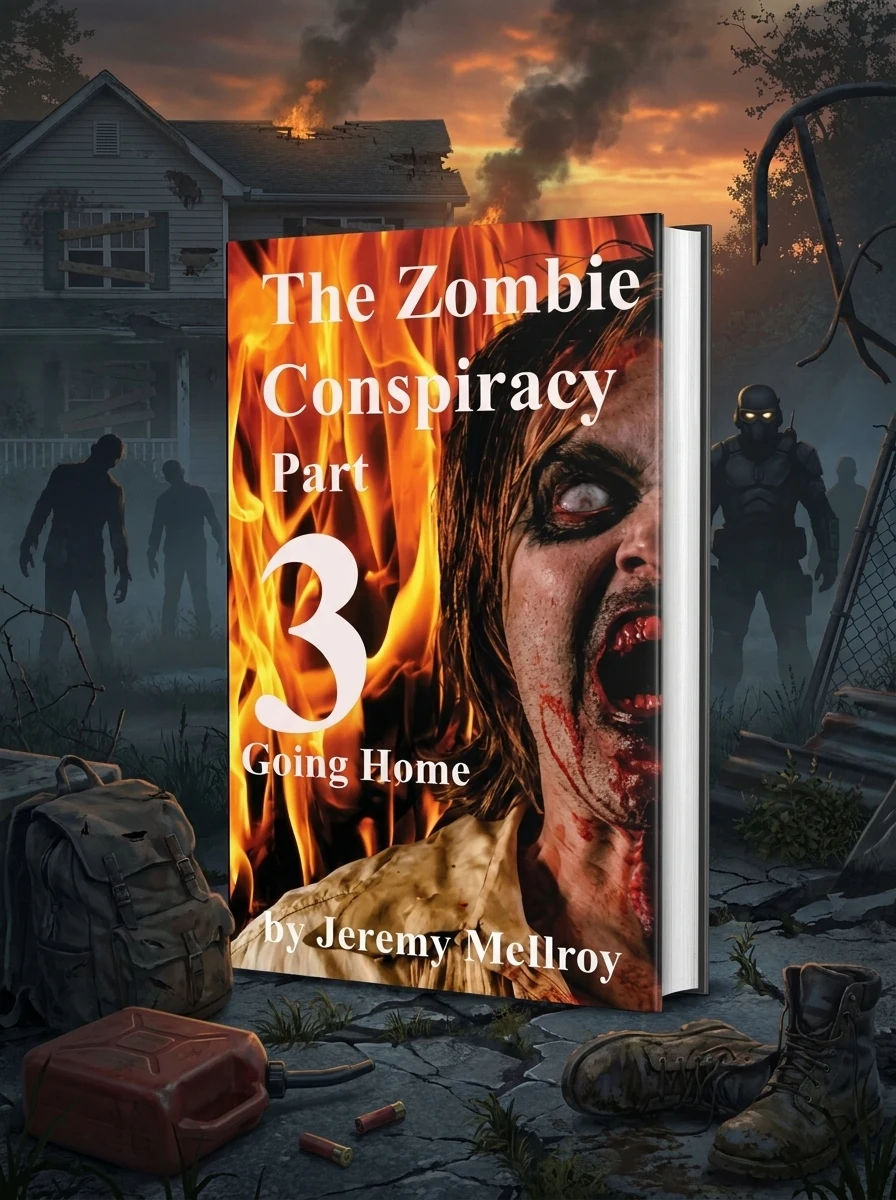
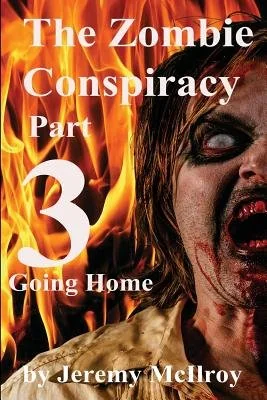
The Zombie Conspiracy Part 3: Going Home
Richard leads survivors home while fleeing zombies and super soldiers.
The story tracks Richard and his companions as they attempt to return to their residence. They rely on dwindling supplies and must avoid detection by both the undead and advanced military units. The narrative emphasizes the difficulty of travel in a broken world. Each step forward brings new obstacles and the constant risk of being overwhelmed by enemies. The tension arises from the proximity of these threats and the group's limited capacity to fight back.
Published in 2016, this work fits within the contemporary independent horror market. It draws on the established tradition of post-apocalyptic fiction where societal structures have failed. The narrative reflects modern anxieties about infrastructure collapse and the vulnerability of individuals in a lawless environment.


📝 Description: The Zombie Conspiracy Part 3: Going Home
💎 Our verdict on The Zombie Conspiracy Part 3: Going Home
📖 Why choose it
Why this book is worth reading
Readers who prioritize kinetic action and resource management over philosophical depth will find this installment compelling. It appeals to those interested in the gritty, logistical realities of apocalyptic travel, such as navigating broken infrastructure while evading dual threats of undead hordes and advanced military units. The narrative offers a focused escape from abstract world-building, delivering immediate tension through the constant risk of being overwhelmed. Fans of fast-paced survival fiction that emphasizes physical journeying and psychological toll will appreciate the clear, unambiguous stakes presented here.
⭐ Reader reviews
Reader rating
McIlroy delivers a tense, action-driven narrative that prioritizes the urgency of escape over detailed character backstories or extensive lore. The book excels in constructing a relentless atmosphere of peril through the proximity of zombies and super soldiers, emphasizing survival mechanics rather than abstract debates about the end of the world. It is best suited for readers seeking clear, immediate threats and the logistical challenges of fleeing in a crumbling society. While it may disappoint those craving deep philosophical inquiry, it successfully captures the exhaustion and danger of constant movement.