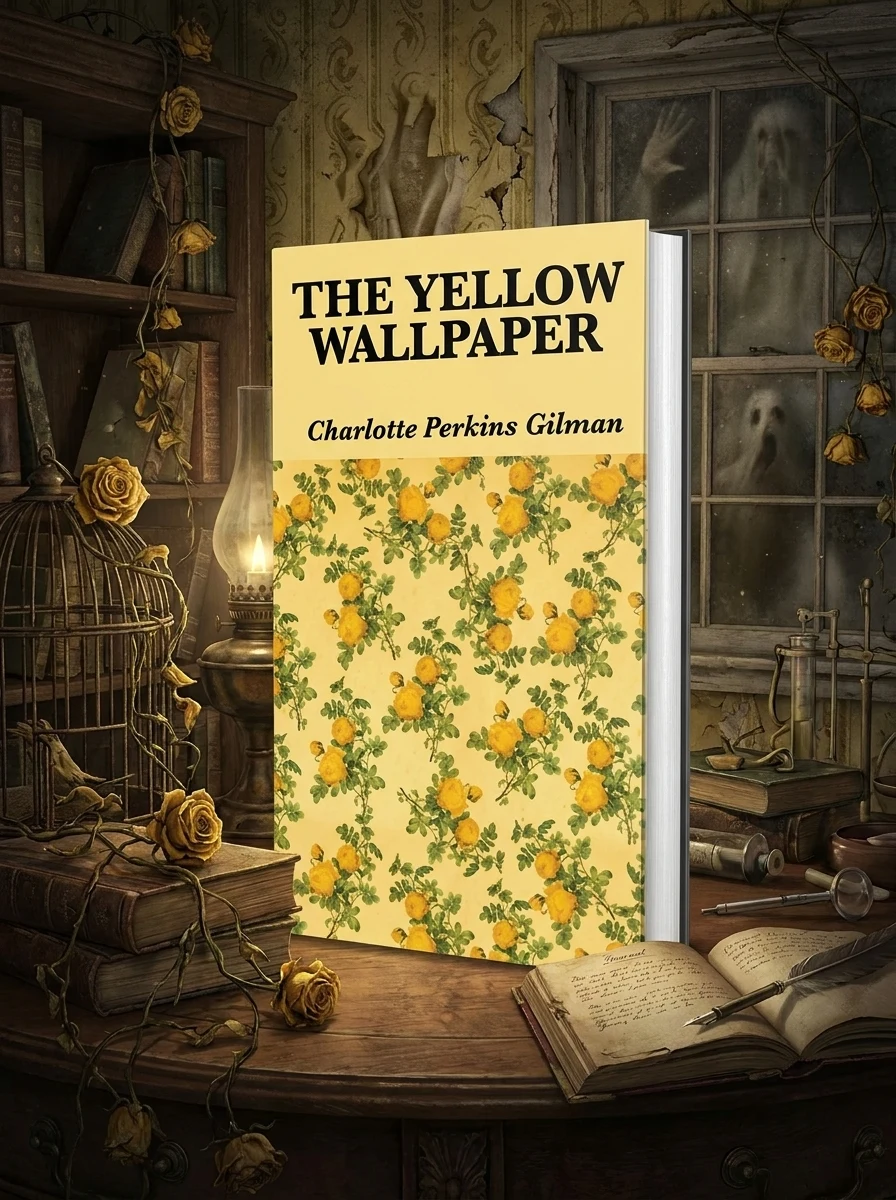
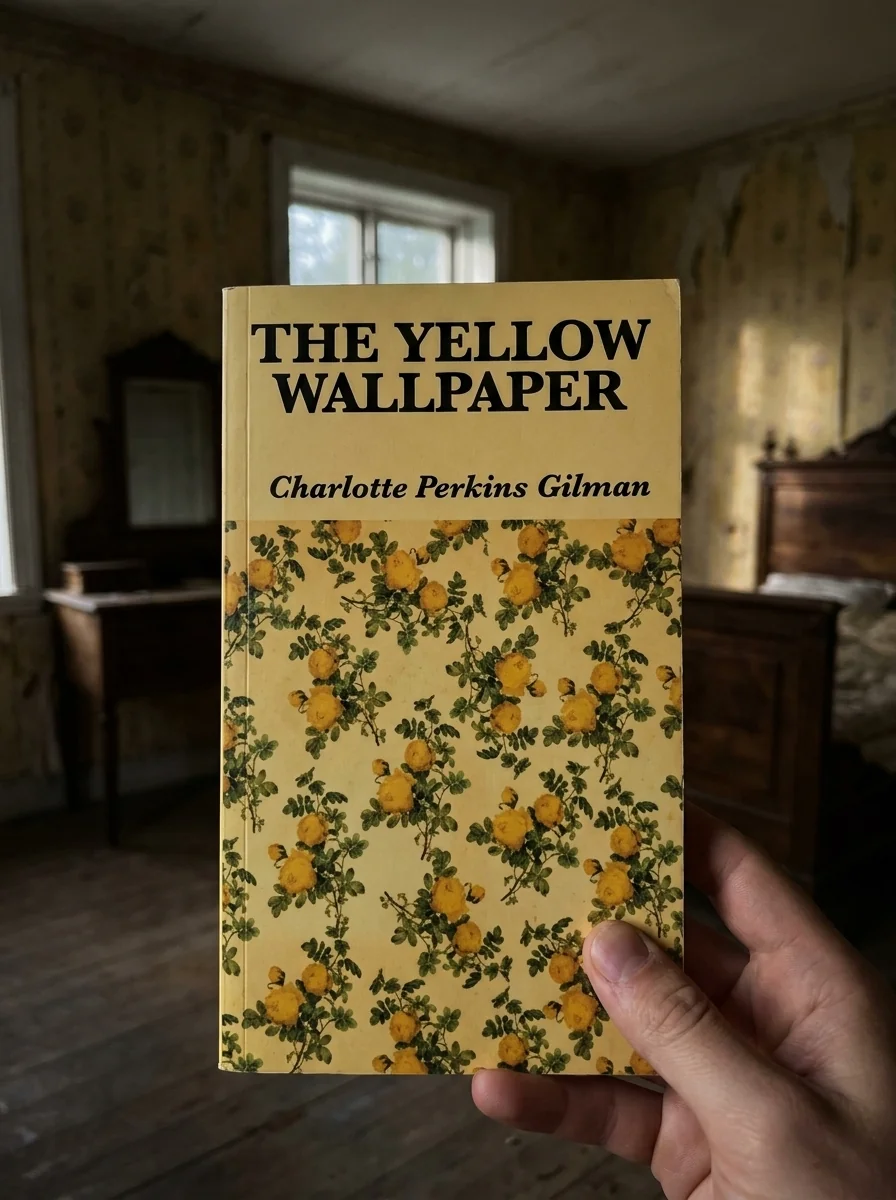

The Yellow Wallpaper
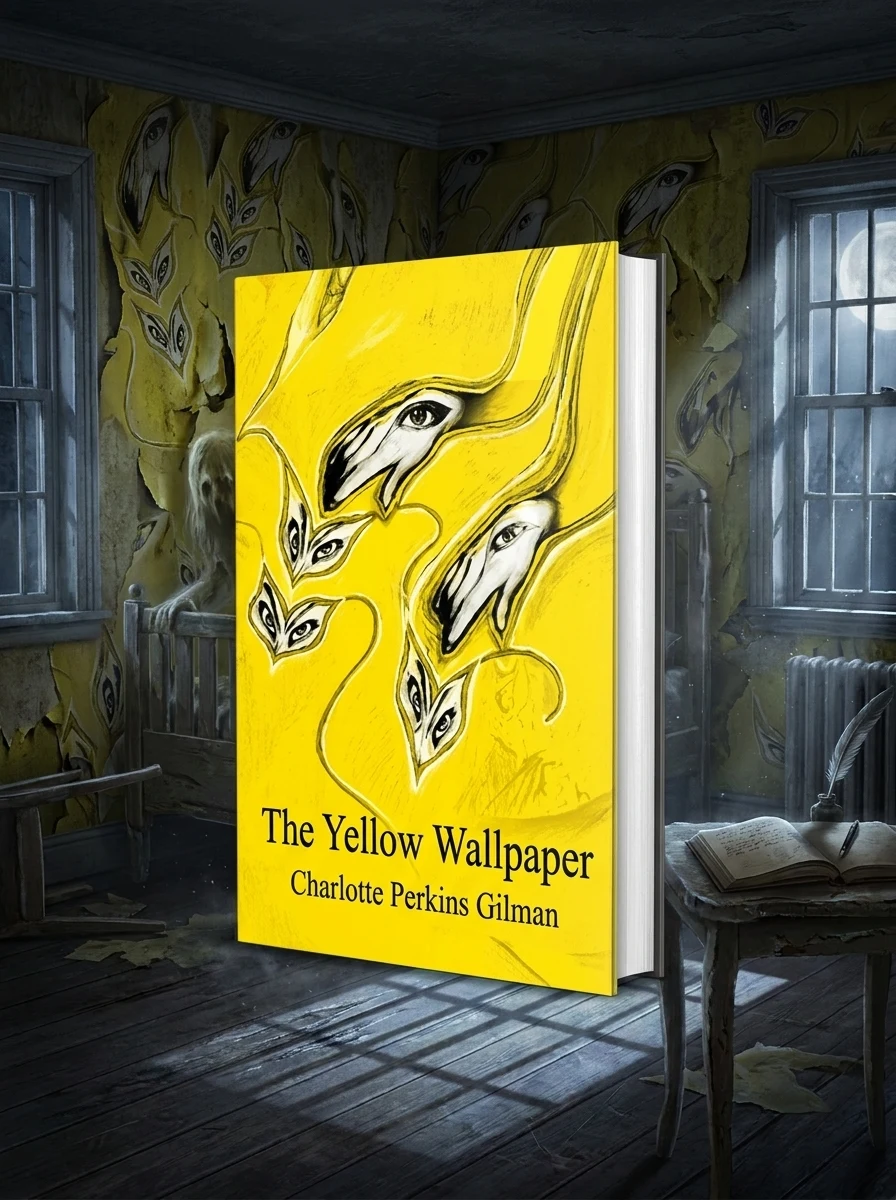
A 1892 journal of a woman confined to a room with yellow wallpaper.
Gilman crafted this text as a critique of nineteenth-century gender norms and medical practices. The story uses the format of secret journal entries to track a protagonist's mental decline. Her husband, a physician, forces her into the rest cure within a secluded country house. This confinement leads her to obsess over the yellow wallpaper in her room. She perceives patterns and movements that blur the line between reality and hallucination. The narrative structure emphasizes unreliable narration and atmospheric tension. Gilman, known for her feminist perspectives, uses this plot to highlight domestic restriction. The edition preserves the original 1892 text without alteration. It remains a key work in American psychological fiction for its exploration of women's mental health.
Published in 1892, this work sits within the tradition of American psychological fiction. Gilman wrote it as an early feminist critique of nineteenth-century gender norms. The story addresses the treatment of women's mental health under medical paternalism. It reflects the era's restrictive domestic expectations for women.


📝 Description: The Yellow Wallpaper
💎 Our verdict on The Yellow Wallpaper
📖 Why choose it
Why this book is worth reading
Readers interested in gothic fiction and psychological horror will find profound value in this exploration of confinement and mental decline. It appeals to those who appreciate early American literature and the historical study of medical paternalism, offering a nuanced look at domestic restriction through unreliable narration. The book is essential for audiences seeking feminist literary history, as it highlights the oppressive nature of nineteenth-century gender expectations without relying on supernatural elements. Those who prefer atmospheric tension over fast-paced action will benefit from its restrained prose. Conversely, readers expecting traditional horror tropes or clear resolutions may find the slow psychological descent less engaging, making it a specific choice for those drawn to the intersection of literature and social critique.
⭐ Reader reviews
Reader rating
Gilman’s narrative masterfully constructs an atmosphere of creeping dread through the protagonist's deteriorating mental state rather than external monsters. The restrained prose builds enduring power by blurring the line between reality and hallucination, creating intense psychological tension. This edition preserves the original text, allowing modern readers to experience the raw impact of the critique against nineteenth-century gender norms. It is best suited for enthusiasts of gothic fiction, psychological horror, and feminist literary history. While it lacks traditional horror elements, its exploration of women's mental health treatment remains strikingly relevant. The unreliable narration demands close attention, rewarding those who appreciate subtle, atmospheric storytelling over explicit scares or rapid plot progression.
📖 Read on the blog
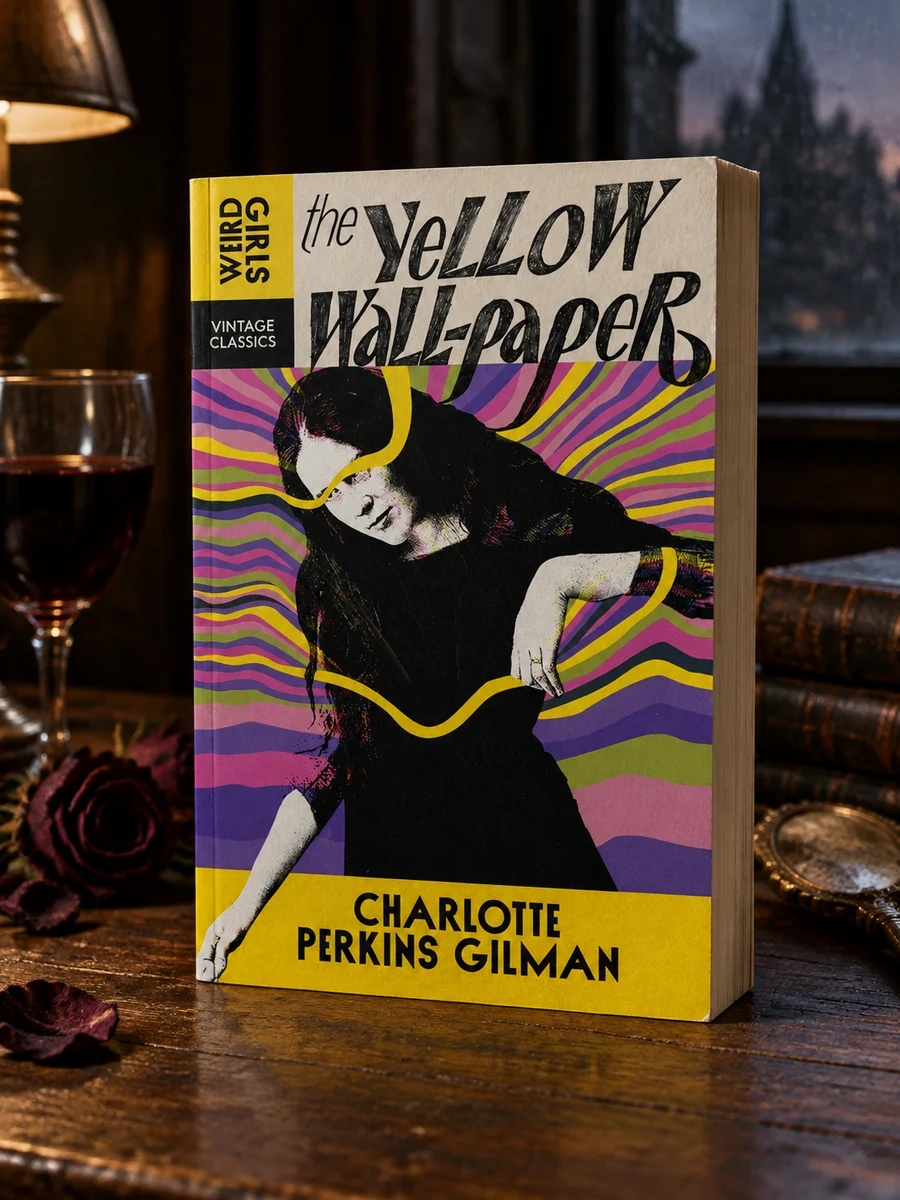
✍️ More books by this author Charlotte Perkins Gilman


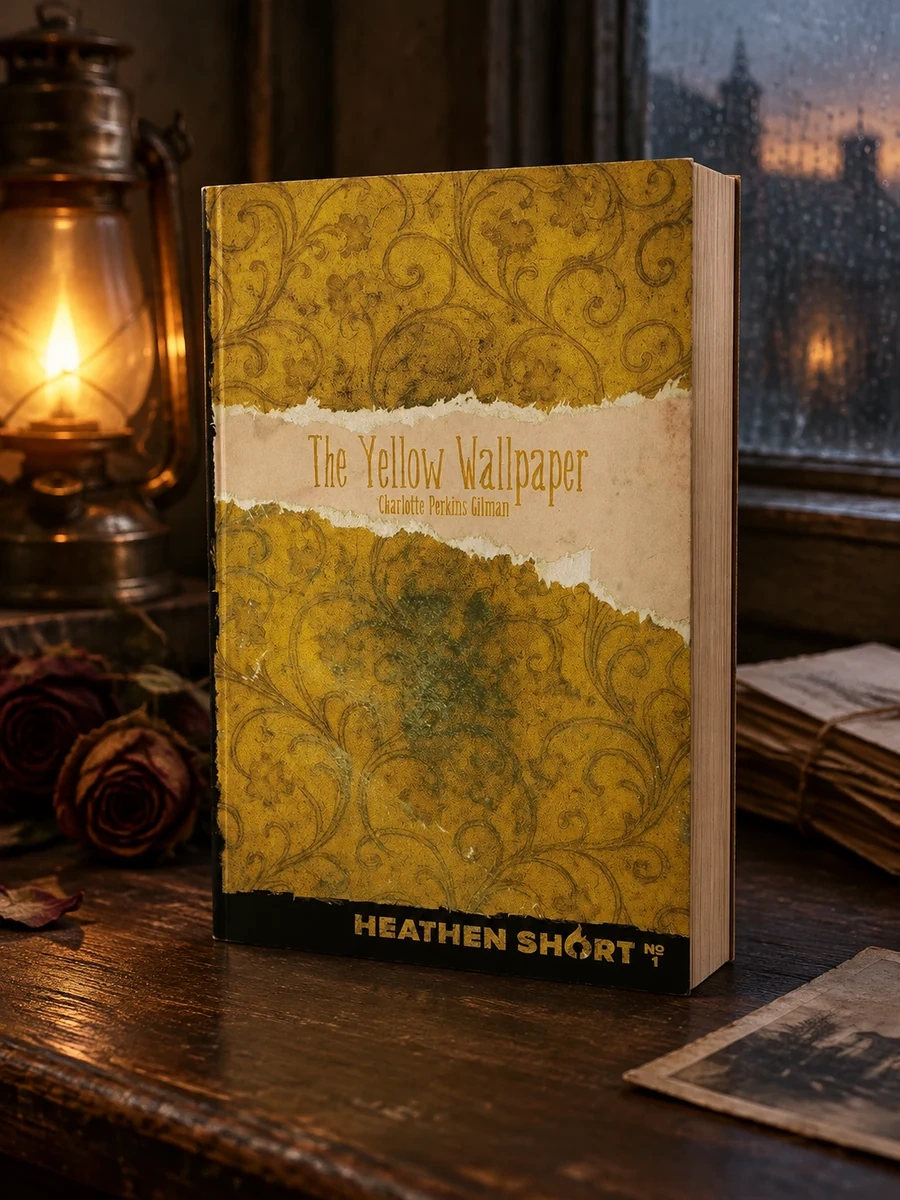
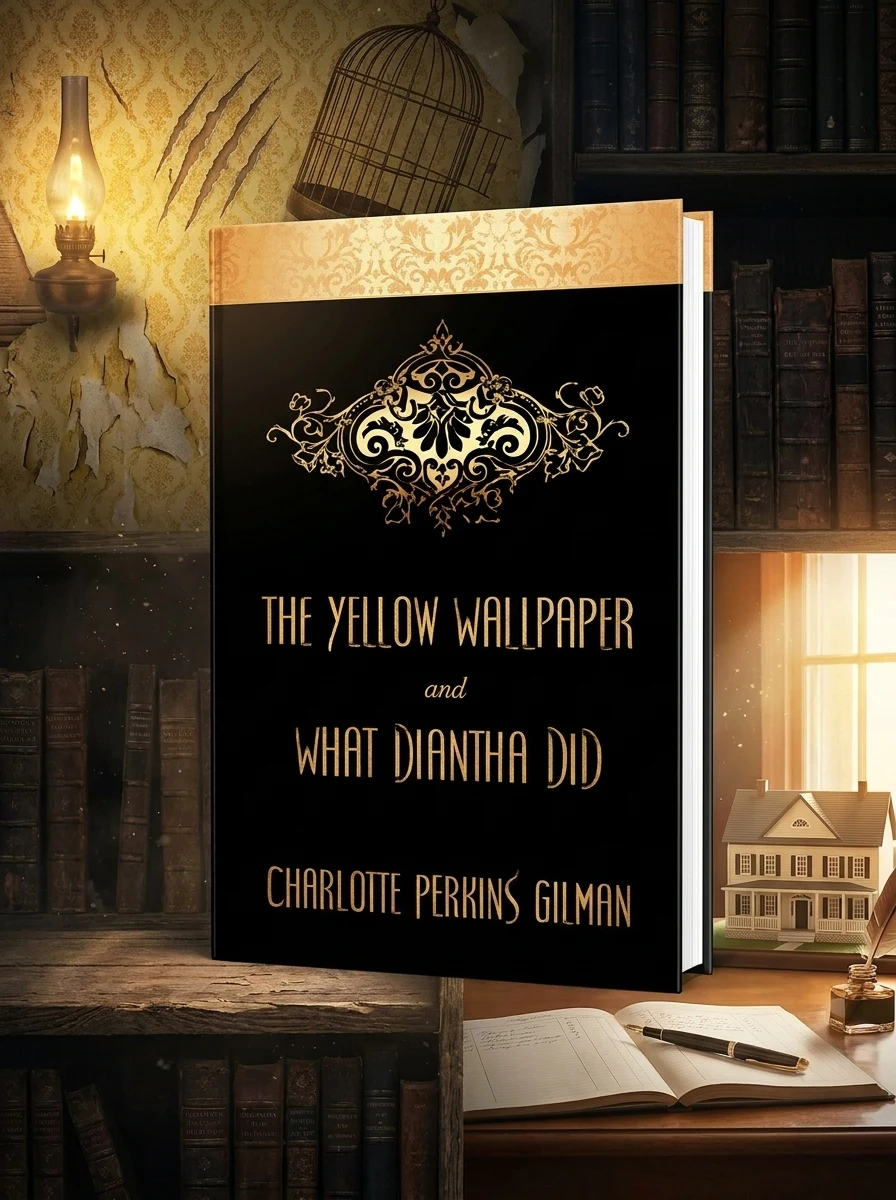
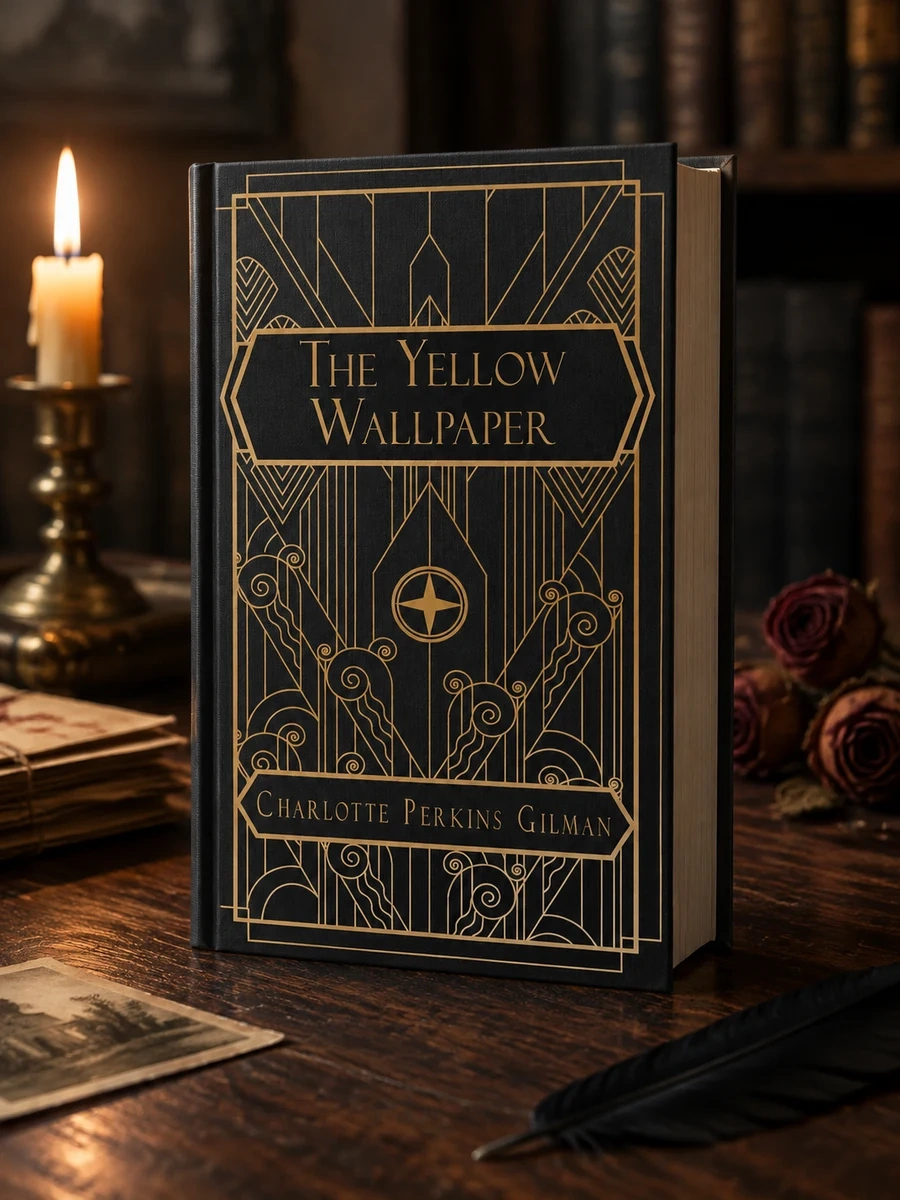
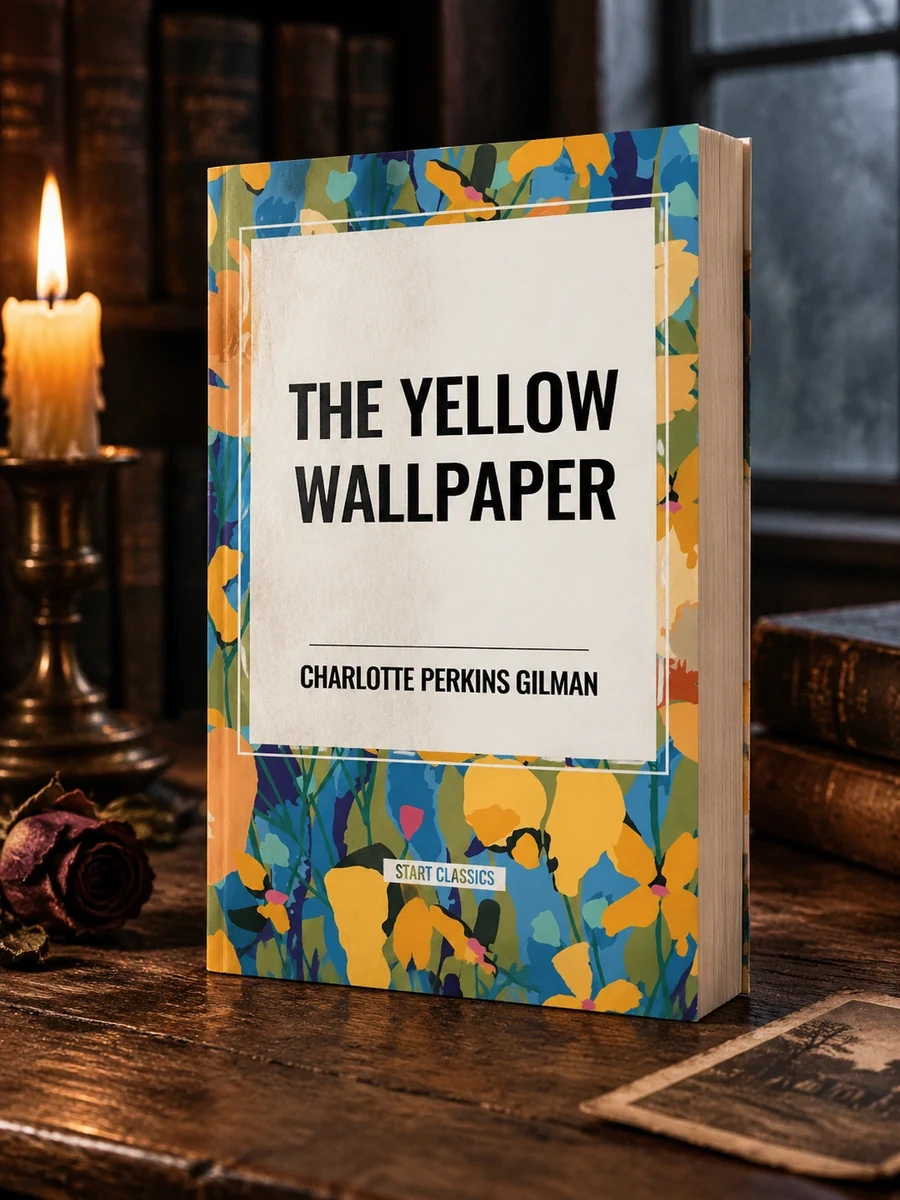
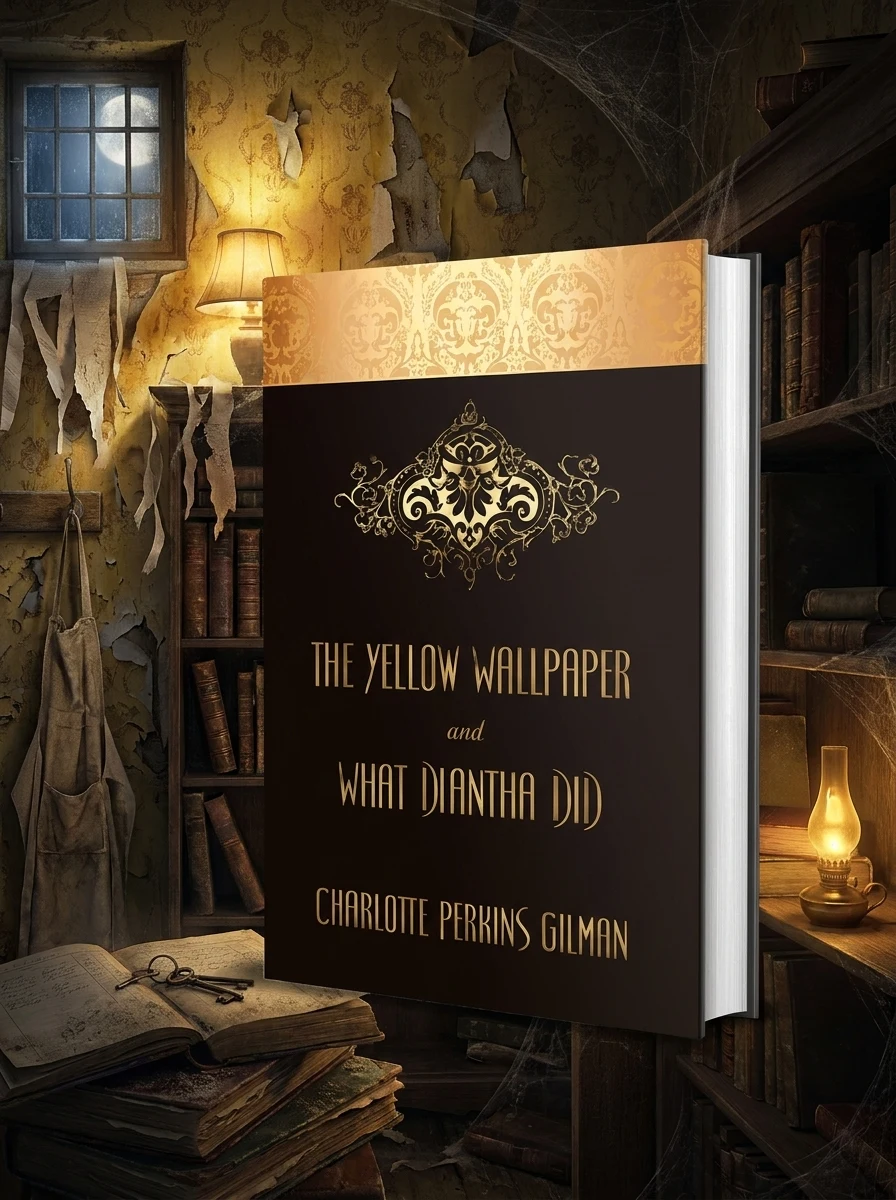
🏛 Books from this publisher Wilder Publications


You might also like
See more →


Have a question about this item?
Ask about the edition, condition, delivery or anything else — we reply by email or phone, usually within a day.
