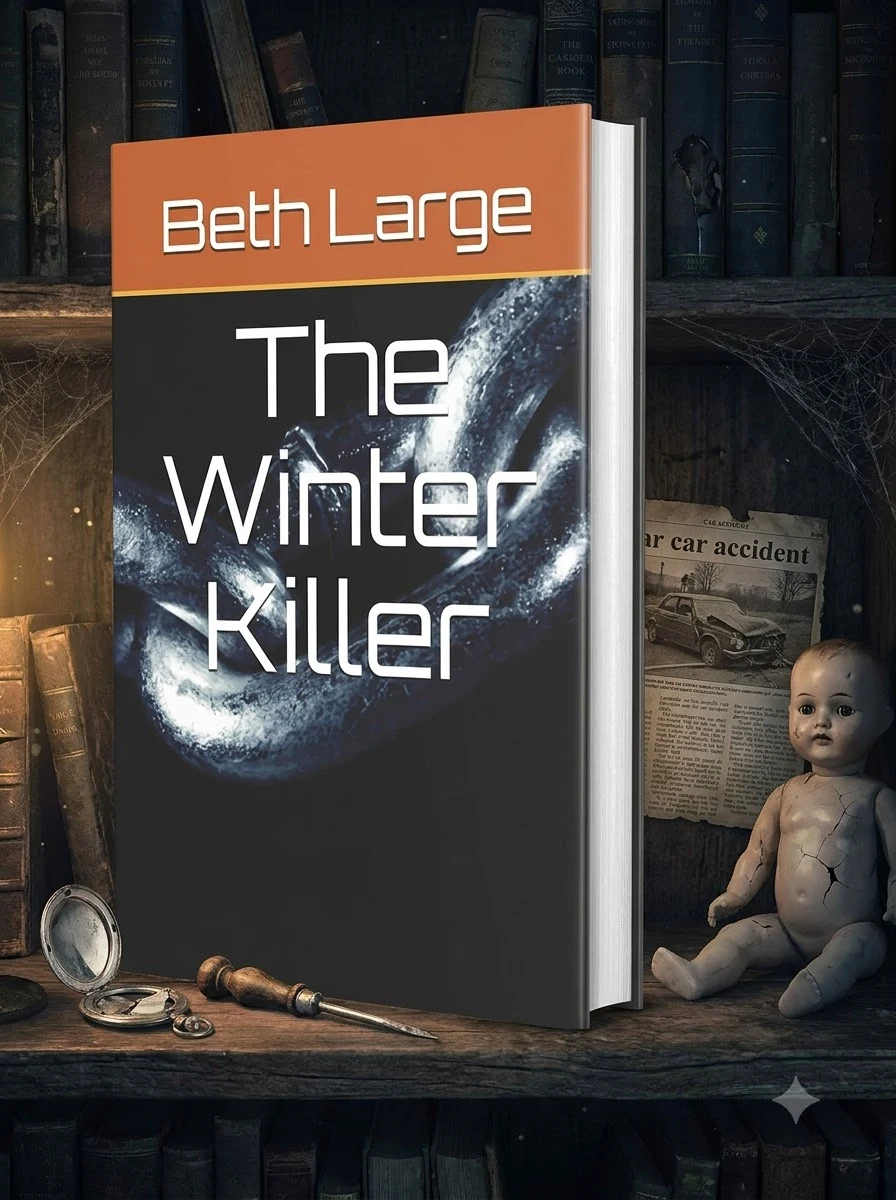

The Winter Killer
A study of Lacey Pierce, a serial killer with a normal past who snaps after losing her parents.
The narrative centers on Lacey Pierce, a young woman whose life changed irrevocably at sixteen. An accident killed her parents, causing her to snap and view the world differently. She becomes a twenty-five-year-old serial killer who shows no mercy. Her background is crucial to understanding her character, as she comes from an average family with no history of mental illness or abuse. This lack of traditional triggers makes her behavior more disturbing. The book examines how sudden loss can shatter one's perception of reality. It questions the origins of evil and whether it can emerge from a perfectly normal upbringing. Lacey finds joy only in causing pain to others, making her a formidable antagonist.
Published independently in 2019, this work fits within the contemporary American horror genre. It draws on psychological thriller traditions by focusing on character motivation rather than supernatural forces. The book challenges common tropes regarding the origins of serial killers and mental illness.


📝 Description: The Winter Killer
💎 Our verdict on The Winter Killer
📖 Why choose it
Why this book is worth reading
Readers who appreciate complex character studies and psychological depth will find value in this narrative. It offers a disturbing examination of how sudden trauma can shatter a normal worldview, challenging the trope that evil requires a troubled past. Fans of non-supernatural horror seeking intellectual engagement over visceral gore will enjoy the exploration of a killer’s internal landscape. The book appeals to those interested in the origins of violence and the nature of sanity, providing a thought-provoking look at a protagonist whose average background makes her descent into cruelty more unsettling and realistic than typical monster narratives.
⭐ Reader reviews
Reader rating
Beth S Large delivers a compelling character study that focuses on the psychological unraveling of Lacey Pierce. The narrative excels in depicting how an ordinary upbringing can be shattered by sudden loss, creating a terrifyingly plausible antagonist. By avoiding traditional horror tropes like abuse or genetic defects, the text offers a fresh perspective on the genesis of evil. This approach suits readers who prefer internal conflict and moral ambiguity over external monsters or jump scares. The cold-blooded precision of the protagonist creates a unique atmosphere of dread. While it lacks supernatural elements, the psychological realism provides a distinct and unsettling reading experience for those interested in the human capacity for cruelty.