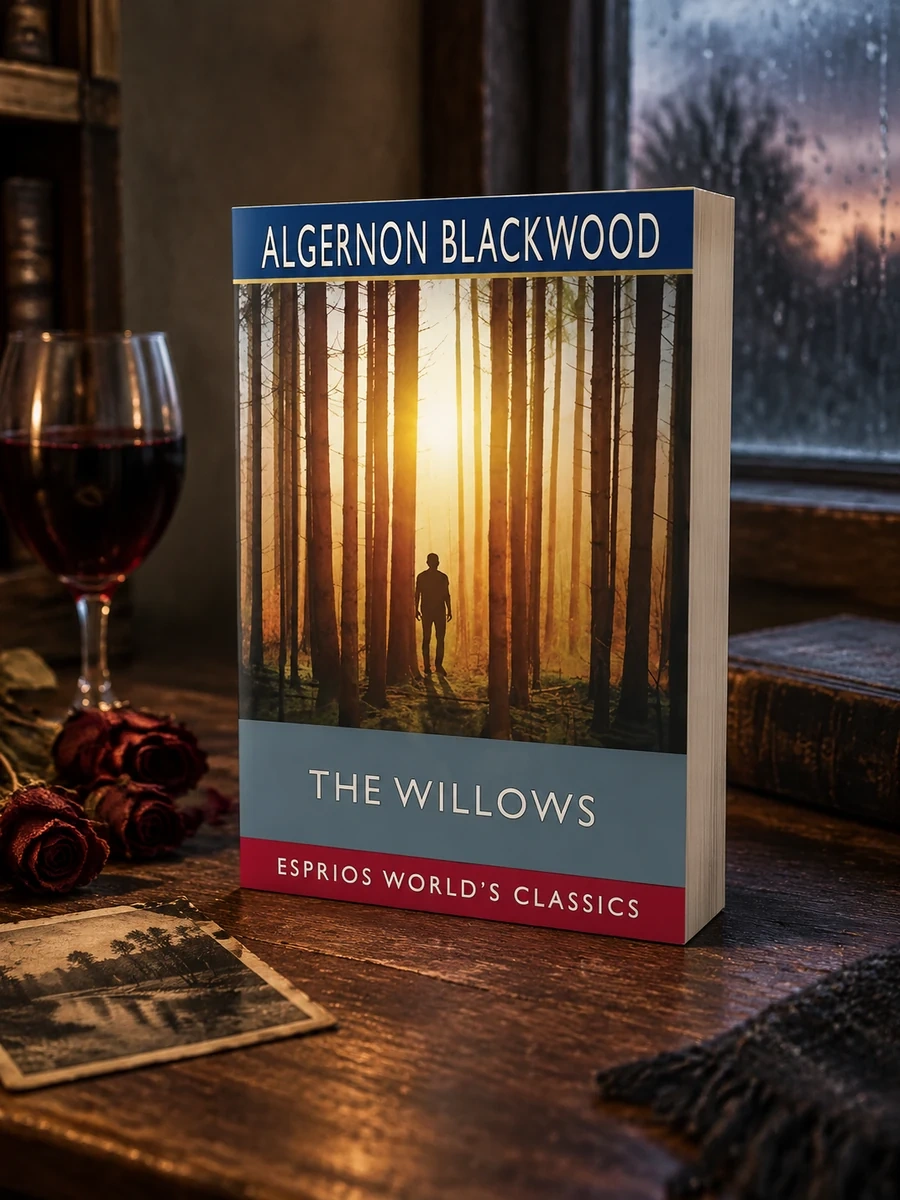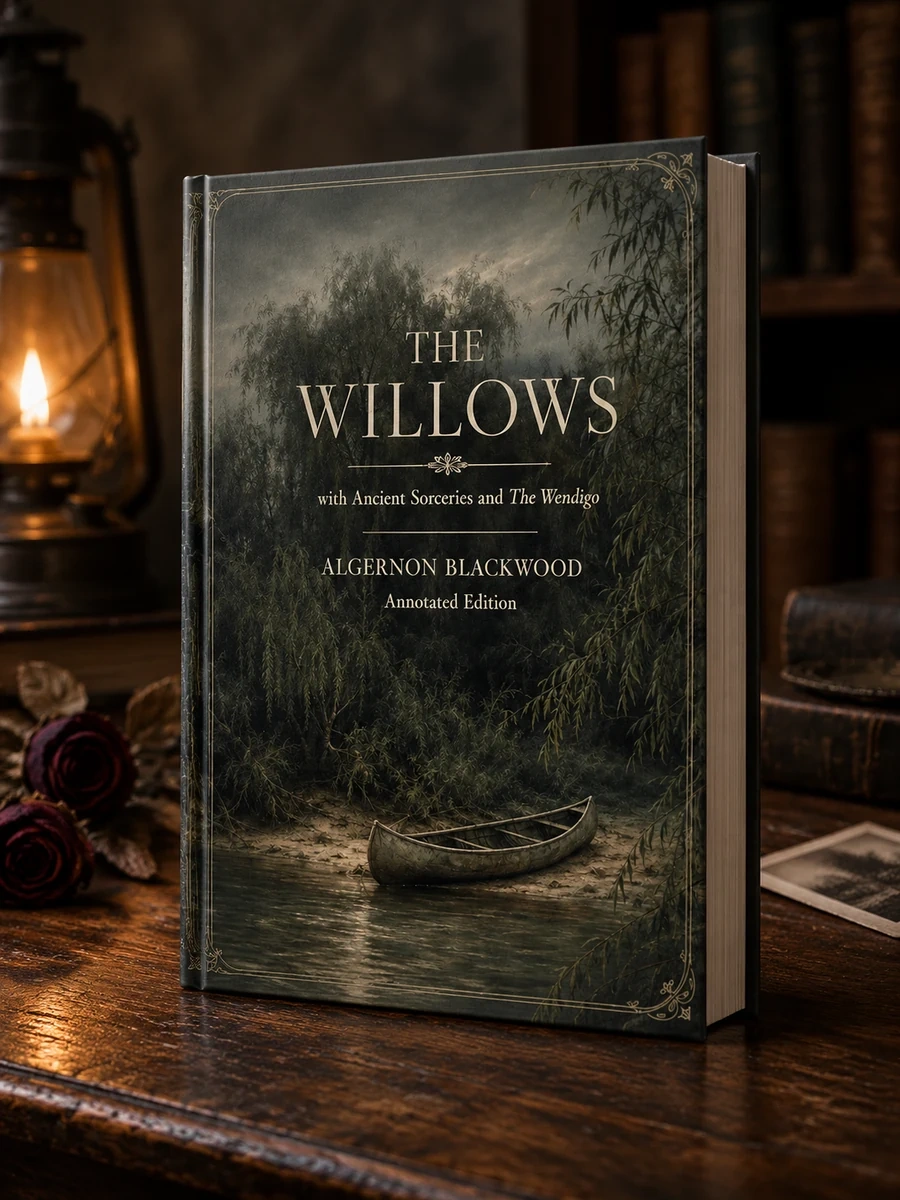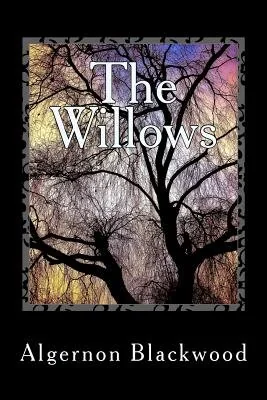

The Willows
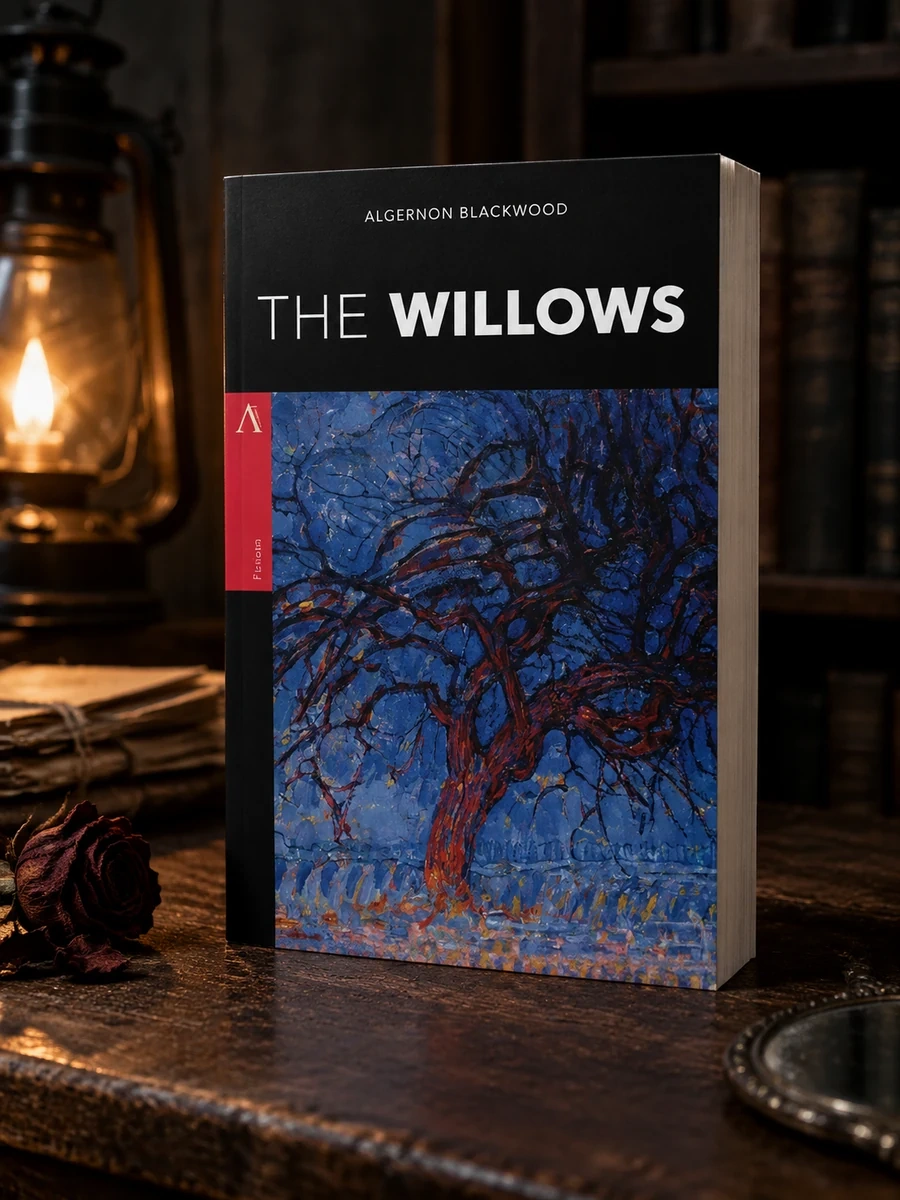
A canoe trip down the Danube turns into a nightmare with sentient willows.
The narrative centers on two companions whose peaceful excursion descends into terror as they confront the personified forces of nature. Blackwood imbues the environment with agency, making the landscape itself the antagonist. The willows are not merely background scenery but active participants in the horror. This approach creates a unique atmosphere where the boundary between the natural world and the supernatural blurs. The story explores themes of human vulnerability against indifferent, yet aware, natural forces. It offers a distinct reading experience compared to later ghost stories that rely on hauntings.
The Willows represents early modern horror and fits within the weird fiction tradition. Algernon Blackwood wrote this influential work, which shaped subsequent supernatural literature. H.P. Lovecraft praised it highly, cementing its place in English literary history as a key text for genre enthusiasts.


📝 Description: The Willows
💎 Our verdict on The Willows
📖 Why choose it
Why this book is worth reading
Readers who appreciate psychological dread and the blurring of natural and supernatural boundaries will find this text compelling. It offers a unique experience where the landscape itself acts as the antagonist, creating a profound sense of human vulnerability against indifferent forces. Those seeking fast-paced action may find the deliberate pacing challenging, but fans of atmospheric tension and environmental personification will discover a chilling narrative that explores the limits of human comprehension. This book is essential for enthusiasts of weird fiction who value subtle terror over explicit gore, providing a distinct reading experience compared to later ghost stories reliant on hauntings.
⭐ Reader reviews
Reader rating
Blackwood crafts a chilling narrative where sentient willows embody the horrible through an incalculable method. The author successfully personifies natural elements like the river and wind, giving them threatening personalities that elevate the environment to the status of active participant in the horror. This approach creates a unique atmosphere where the boundary between the natural world and the supernatural blurs effectively. The story relies on atmospheric tension rather than traditional plot devices, making it a prime example of early modern horror. It suits readers interested in psychological dread and environmental agency, offering a compelling look at human vulnerability against aware natural forces without relying on clear resolutions or fast-paced action.