The Weight of Other Lives
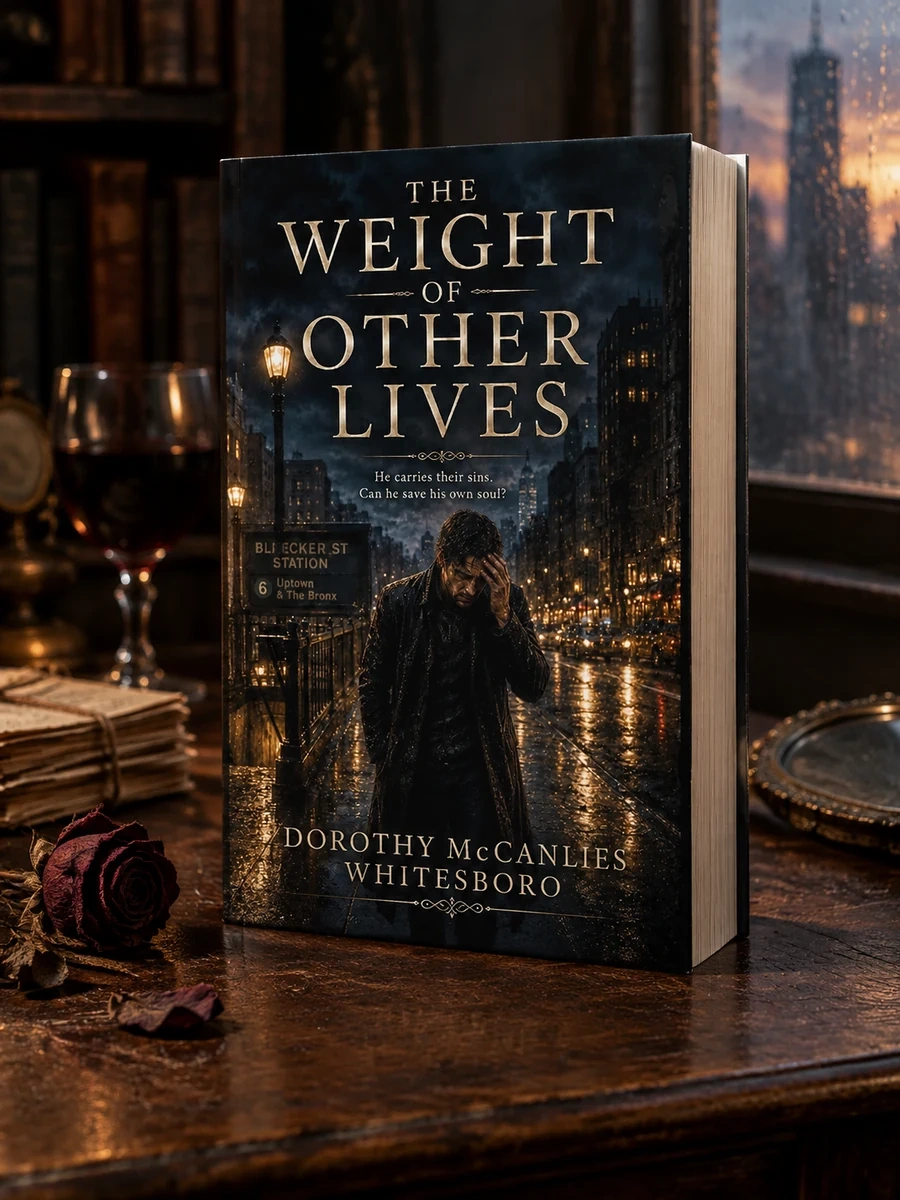
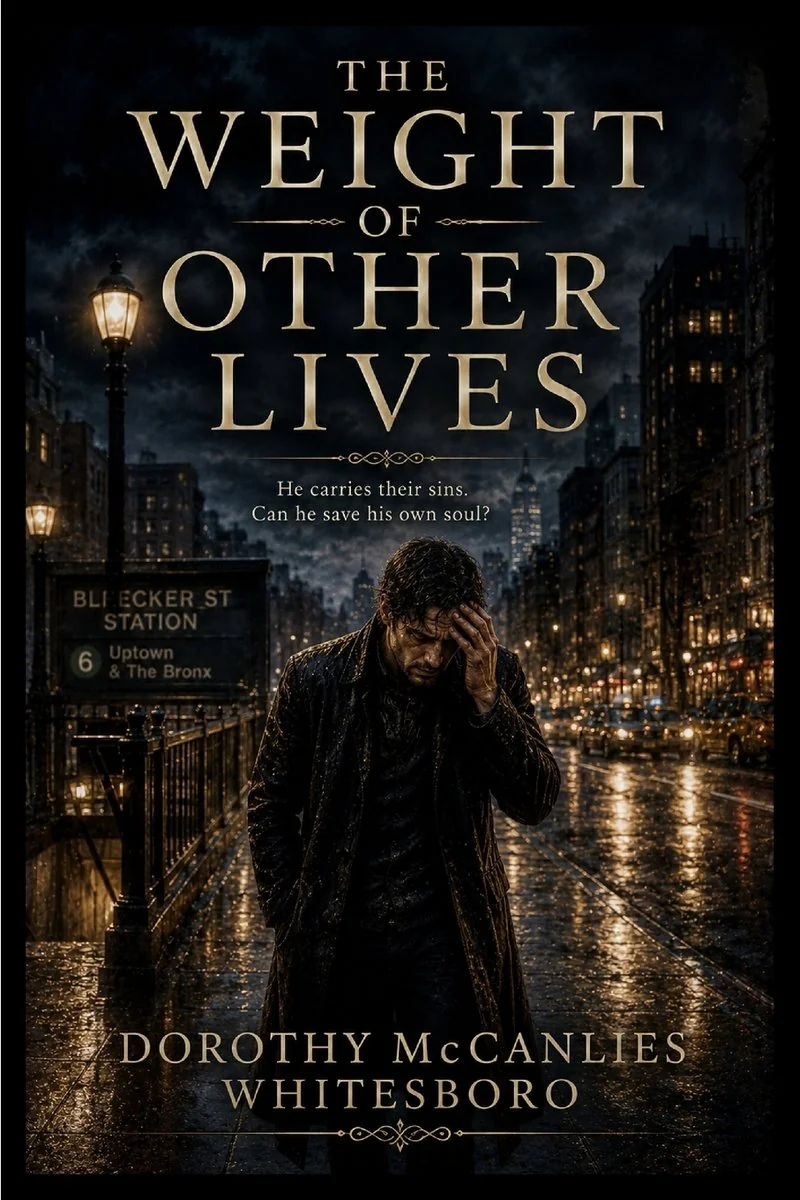
A man absorbs others' sins and must choose between divine service and manipulation.
This book investigates the burden of inherited trauma through a supernatural lens. The protagonist faces a critical choice regarding his role in absorbing the pain of others. Whitesboro uses this premise to question the nature of sacred duty. The narrative focuses on the internal struggle of maintaining identity while carrying external burdens. It avoids sensationalism, instead offering a steady examination of psychological erosion. The story does not provide easy answers about the morality of such an ability. It remains grounded in the immediate consequences of the protagonist's actions. The pacing reflects the heavy weight of the subject matter.
The work sits within the American horror and gothic fiction tradition, published in 2026 by Dorothy McCanlies Whitesboro. It engages with contemporary discussions on spiritual duty and psychological manipulation.


📝 Description: The Weight of Other Lives
💎 Our verdict on The Weight of Other Lives
📖 Why choose it
Why this book is worth reading
Readers seeking a steady examination of psychological erosion will find this narrative compelling. It appeals to those interested in the moral dilemmas of supernatural abilities and the cost of forced empathy. The book offers a tight exploration of how trauma transfers between individuals, questioning whether such power is divine service or manipulation. It suits fans of dark fantasy and true crime who prefer grounded consequences over sensationalism. Those who enjoy horror fiction that avoids easy answers about morality will appreciate the focus on identity maintenance under extreme burden.
⭐ Reader reviews
Reader rating
Whitesboro delivers a focused look at the heavy weight of absorbing others' sins, crafting a narrative that prioritizes psychological toll over action. The text effectively uses gothic traditions to depict a protagonist fighting to maintain identity against consuming foreign experiences. By avoiding sensationalism, the author creates a chilling atmosphere where spiritual duty is scrutinized as potential exploitation. This approach suits readers who value moral ambiguity and internal conflict in horror fiction. The pacing reflects the subject matter's gravity, offering a rigorous examination of human connection's darker aspects without providing convenient resolutions for the protagonist's plight.
You might also like
See more →







Have a question about this item?
Ask about the edition, condition, delivery or anything else — we reply by email or phone, usually within a day.
