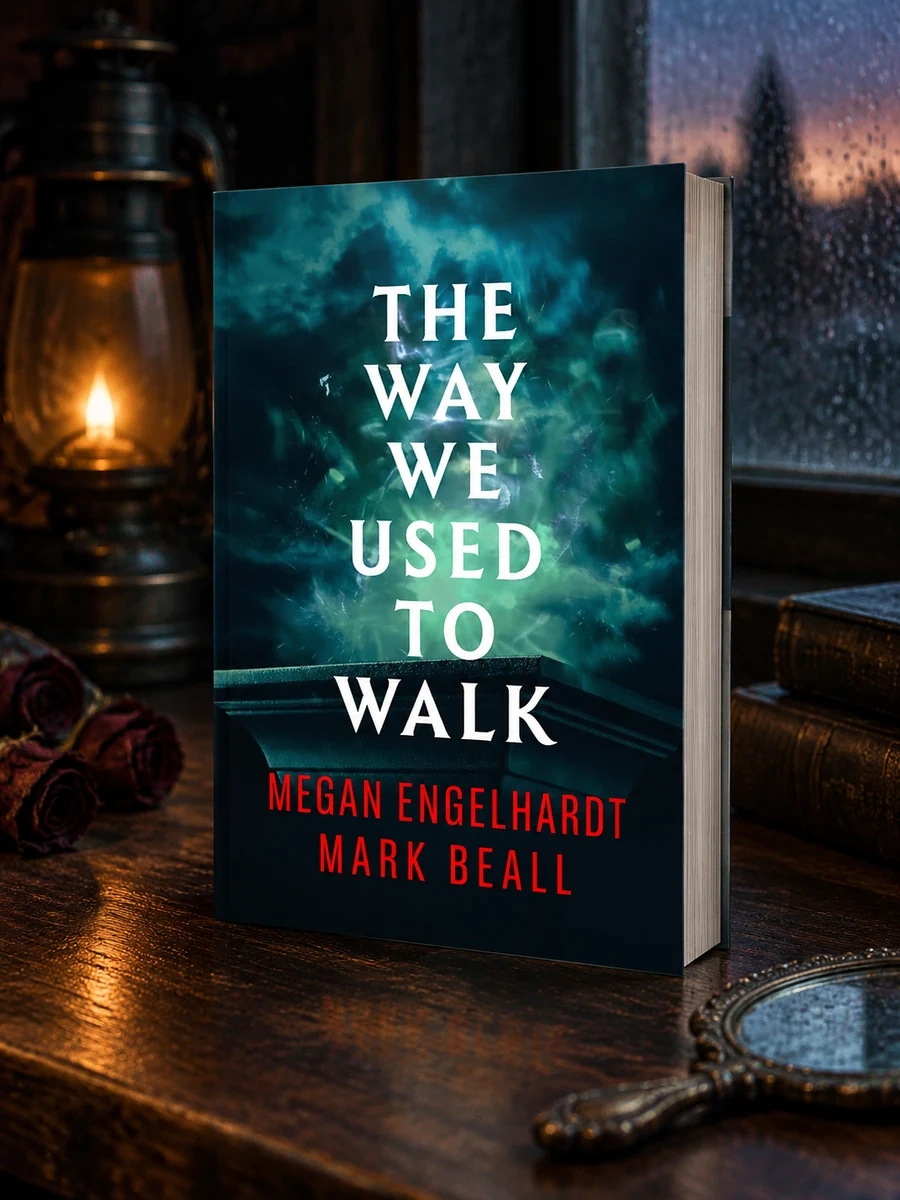
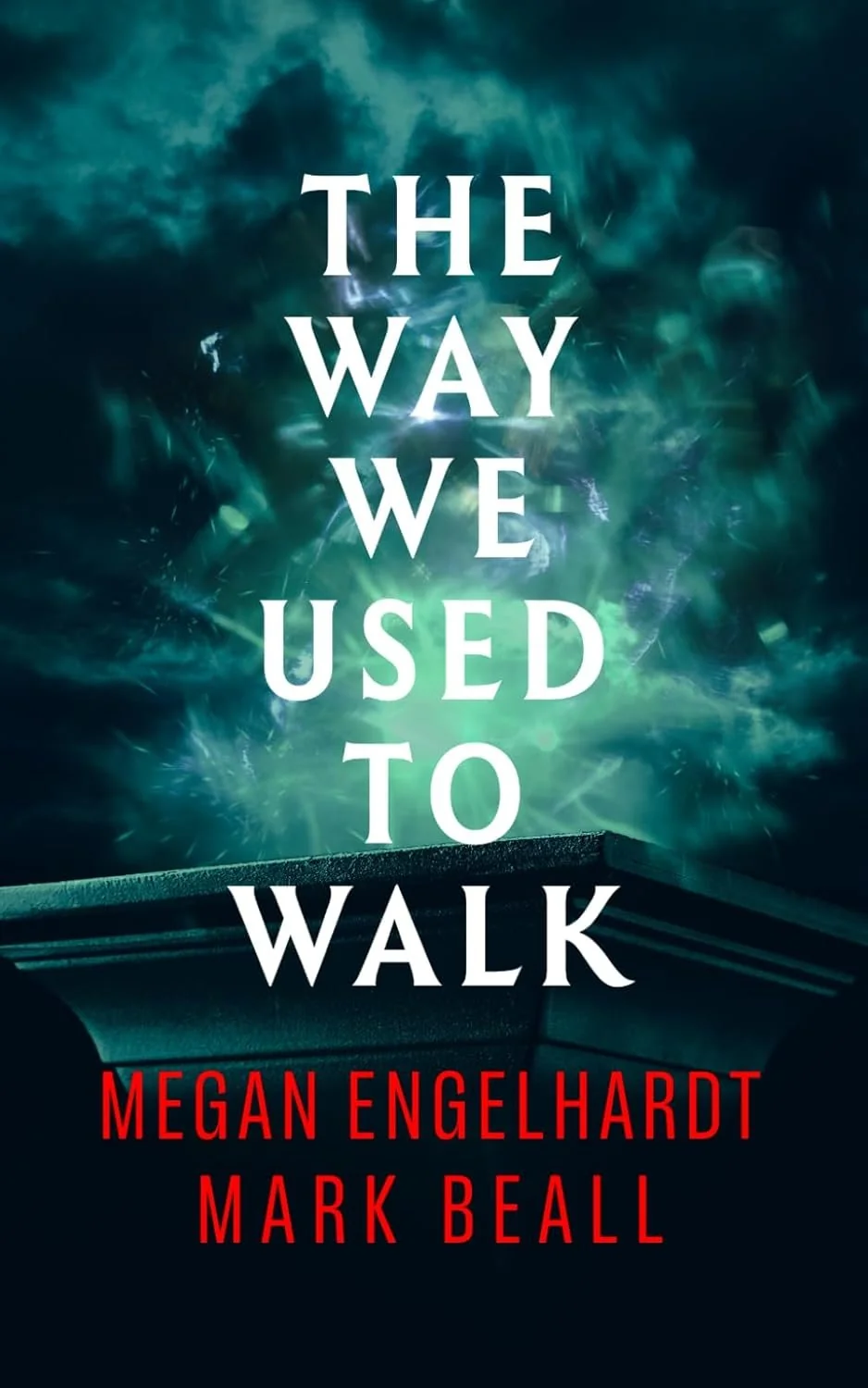
The Way We Used to Walk
A man must re-teach his amnesiac friends a monster-killing language to save reality.
Engelhardt presents a story about memory, guilt, and the cost of heroism. Charlie carries the weight of a past event that destroyed his marriage and isolated him from his former friends. When the threat resurfaces, he cannot walk away. The plot focuses on the difficult process of rebuilding trust and teaching others what he knows alone. It is a study in regret and reluctant redemption. The characters are not heroes but damaged adults trying to survive. Their personal lives are in ruins as they face the supernatural return.
Published by Creative James Media in 2025, this work sits within contemporary horror fiction. It engages with modern anxieties about burnout and divorce. The story reflects a current interest in psychological horror where the real monsters are internal failures and broken relationships rather than external threats alone.


📝 Description: The Way We Used to Walk
💎 Our verdict on The Way We Used to Walk
📖 Why choose it
Why this book is worth reading
This book suits readers who prefer emotional weight and psychological depth over fast-paced action or clear resolutions. It explores the lingering consequences of supernatural trauma through adult dysfunction, focusing on regret and reluctant redemption rather than traditional heroism. Those interested in how shared trauma fractures relationships over time will find value here. The narrative contrasts memory clarity with confusion, creating tension as damaged adults face external monsters and internal failures. It offers a study in guilt and the cost of survival for those who are not classic heroes but broken individuals trying to survive. Readers seeking easy answers may find it heavy, but those willing to engage with complex interpersonal dynamics and psychological horror will appreciate its nuanced approach to trauma and isolation.
⭐ Reader reviews
Reader rating
Engelhardt delivers a compelling examination of guilt and the erosion of trust through supernatural metaphors. The narrative effectively contrasts Charlie’s singular memory with his friends’ amnesia, creating inherent tension without relying on gore. By focusing on burnout, divorce, and personal demons alongside dimensional threats, the story grounds its horror in relatable adult struggles. This approach appeals to readers who favor character-driven horror and psychological decay over action-heavy plots. While the emotional weight may deter those seeking quick resolutions, the book offers a rich, albeit heavy, exploration of regret. It is best suited for audiences comfortable with ambiguous endings and complex interpersonal dynamics within the gothic and cosmic horror traditions.