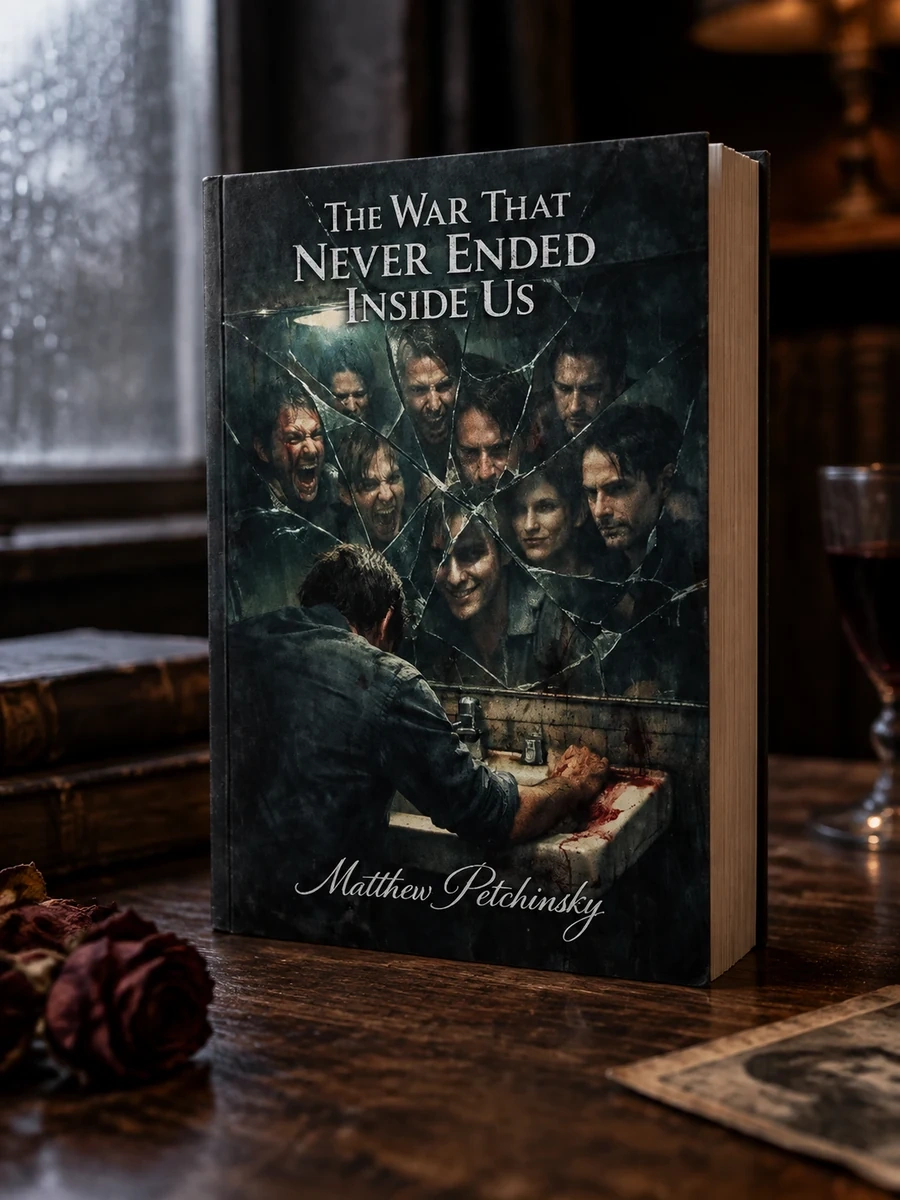
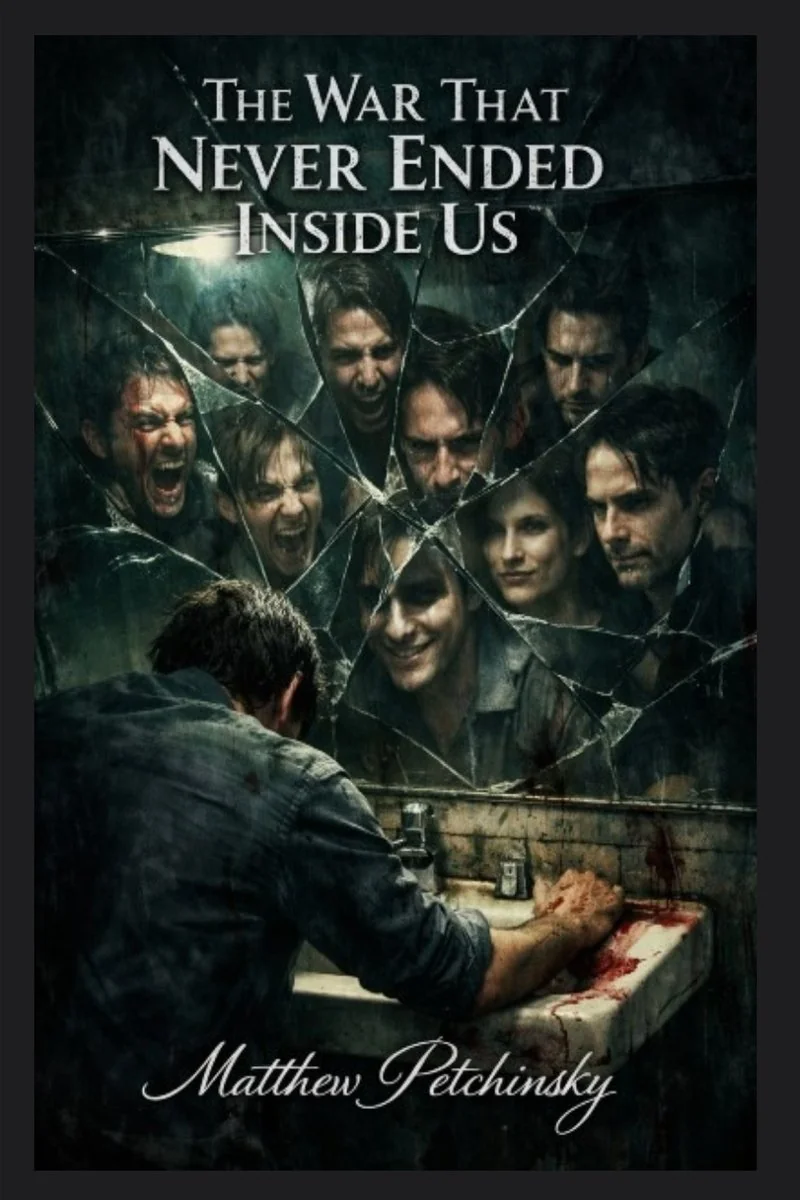
The War That Never Ended Inside Us
A psychological horror novel about internal identity collapse.
Petchinsky presents a scenario where reality breaks down through human cognition. Elias Vane wakes to a world where whispers distort perception. Trust becomes suspicion. Love turns into calculation. The protagonist faces neighbors who are threats and families that are resources. He realizes he cannot trust his own memories as time fractures. Actions disappear from recall. A darker self emerges without hesitation. The enemy is internal. The horror lies in the collapse of identity. Morality proves fragile. The war inside never ends.
This 2026 release from Apophis Enterprises LLC sits within the American horror genre. It draws on gothic traditions of psychological decay. The work focuses on supernatural fiction elements regarding mental fracture. It addresses themes of survival and savagery in a modern context.


📝 Description: The War That Never Ended Inside Us
💎 Our verdict on The War That Never Ended Inside Us
📖 Why choose it
Why this book is worth reading
Readers seeking gritty, psychological fiction that explores the supernatural aspects of mental decay will find this narrative compelling. It appeals to those who appreciate gothic traditions where horror is internal rather than physical, focusing on paranoia and memory loss. The book offers an immersive experience into a deteriorating state of mind, suitable for audiences interested in cosmic and psychological horror. It is ideal for readers who want to examine the fragility of morality and the terrifying truth that the greatest war occurs within our own minds, rather than those seeking traditional action or clear external villains.
⭐ Reader reviews
Reader rating
Petchinsky crafts a harrowing exploration of identity collapse through Elias Vane’s fractured cognition. The narrative effectively utilizes whispers and distorted perception to transform trust into suspicion, creating an atmosphere of intense paranoia. By focusing on the internal enemy, the text avoids conventional plot resolutions in favor of psychological immersion. This approach suits readers interested in dark fantasy and true crime adjacent themes of moral decay. While it may disappoint those craving clear external villains or action, it rewards those willing to endure tension without escape. The work stands as a potent example of horror where the self is the antagonist.
📖 Read on the blog
✍️ More books by this author Matthew Petchinsky
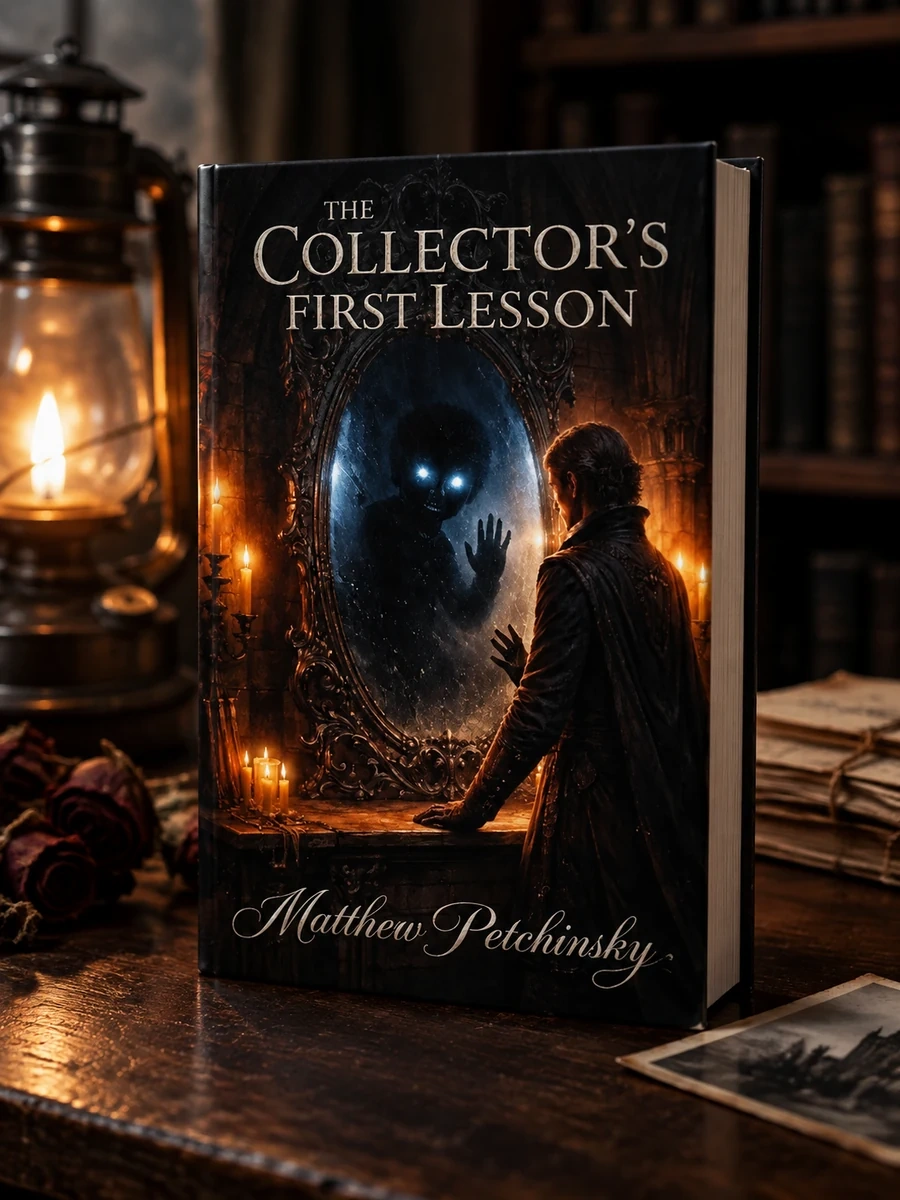


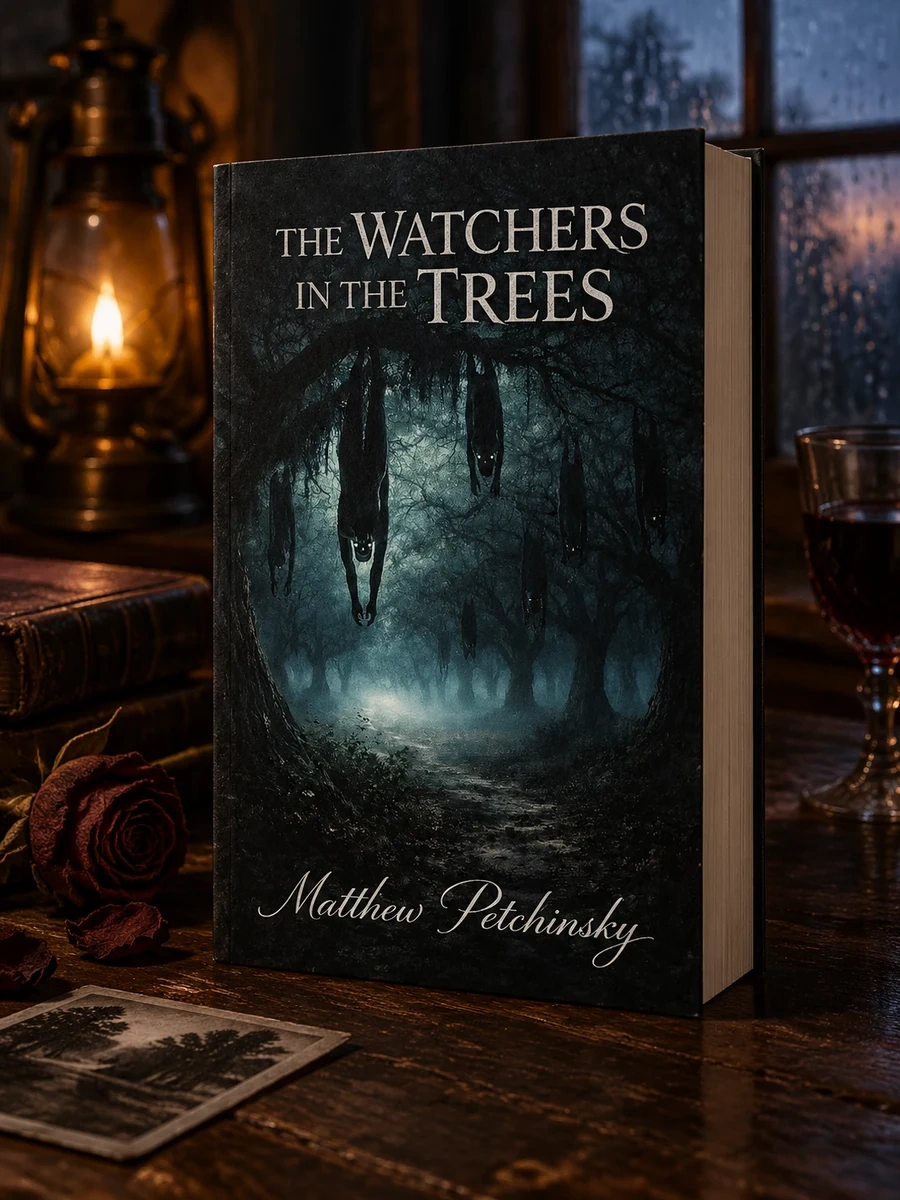
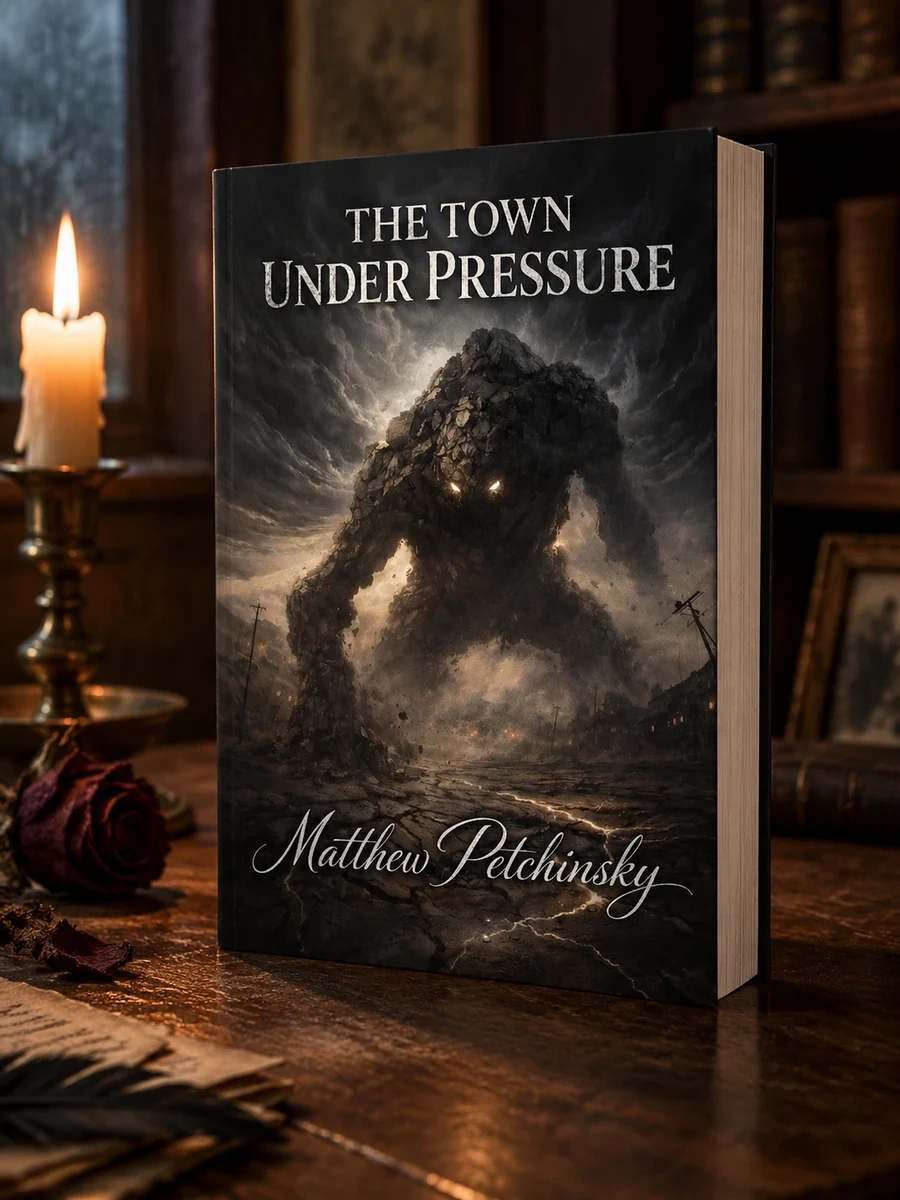
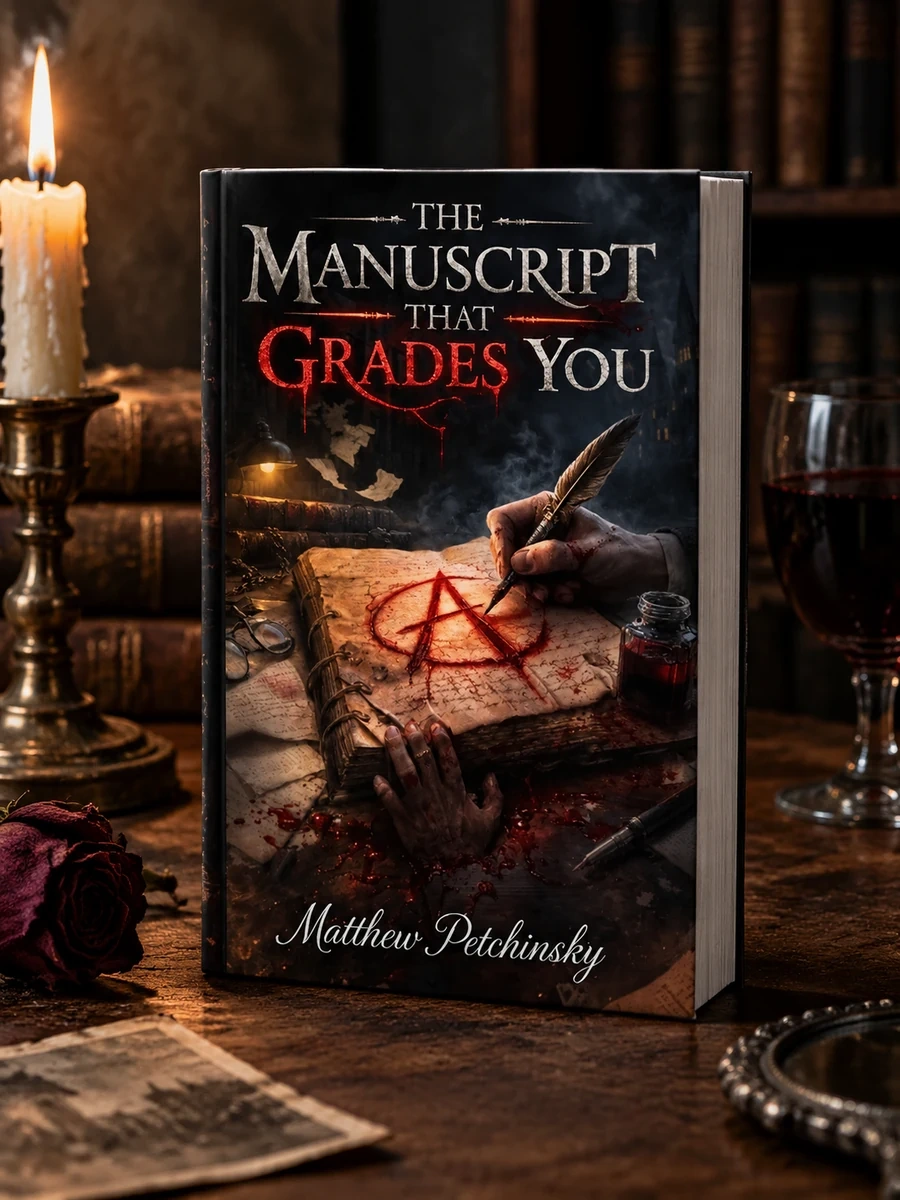
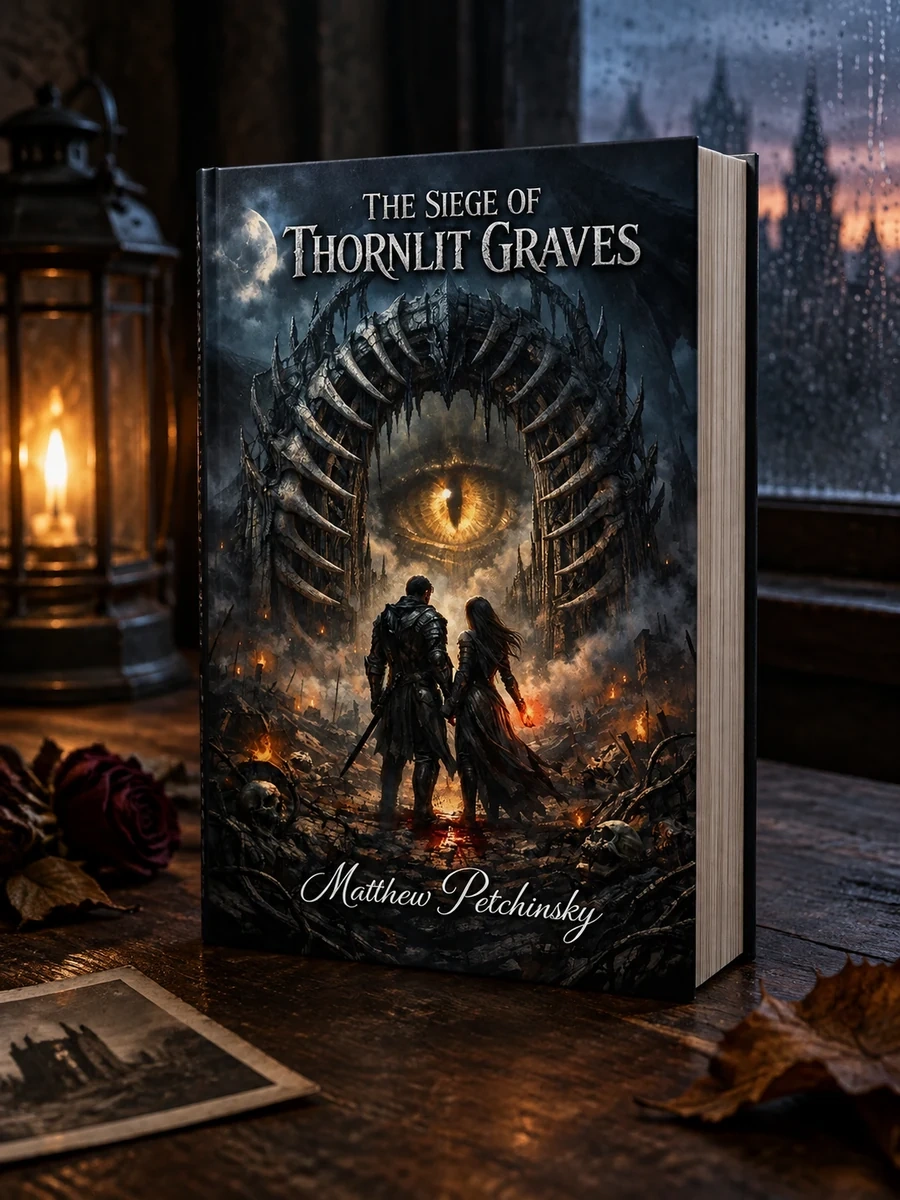
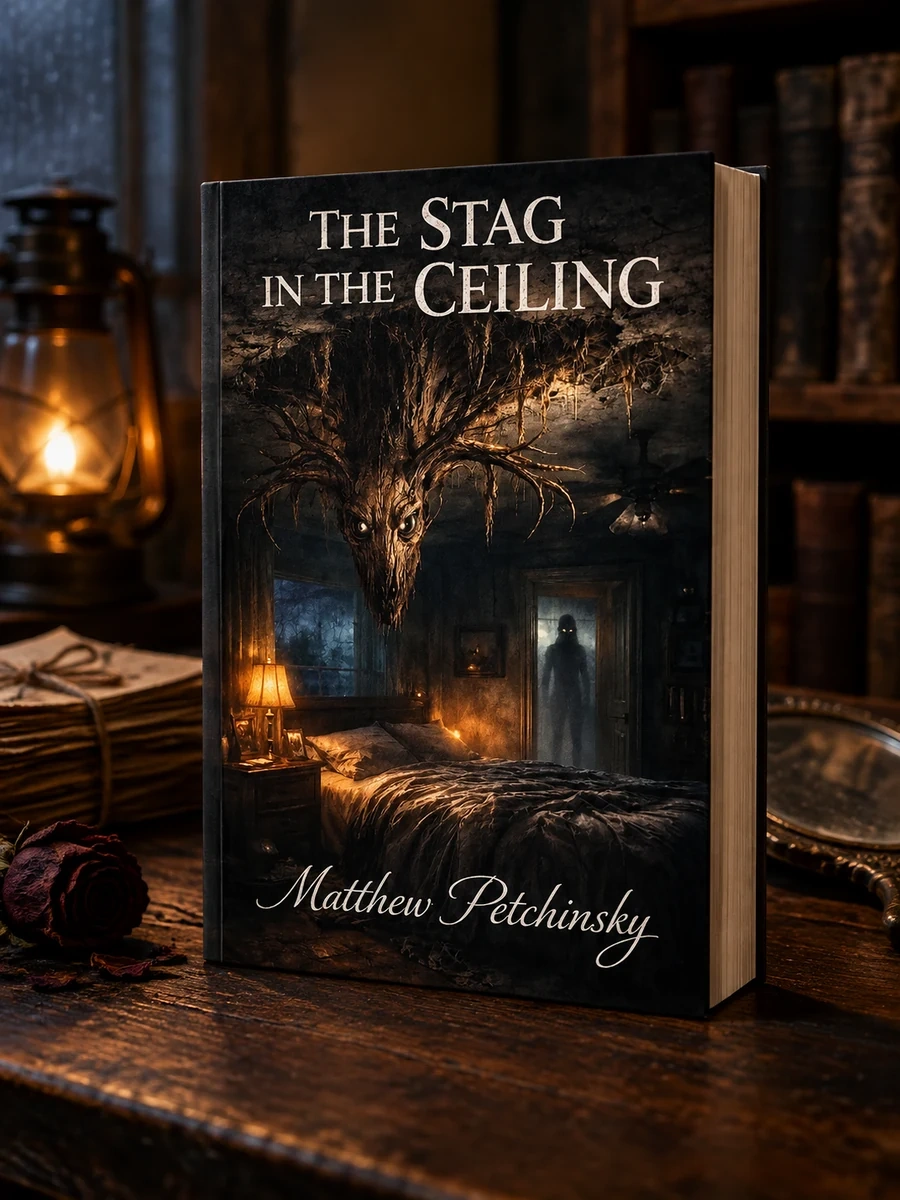
🏛 Books from this publisher Apophis Enterprises LLC

You might also like
See more →
Have a question about this item?
Ask about the edition, condition, delivery or anything else — we reply by email or phone, usually within a day.
