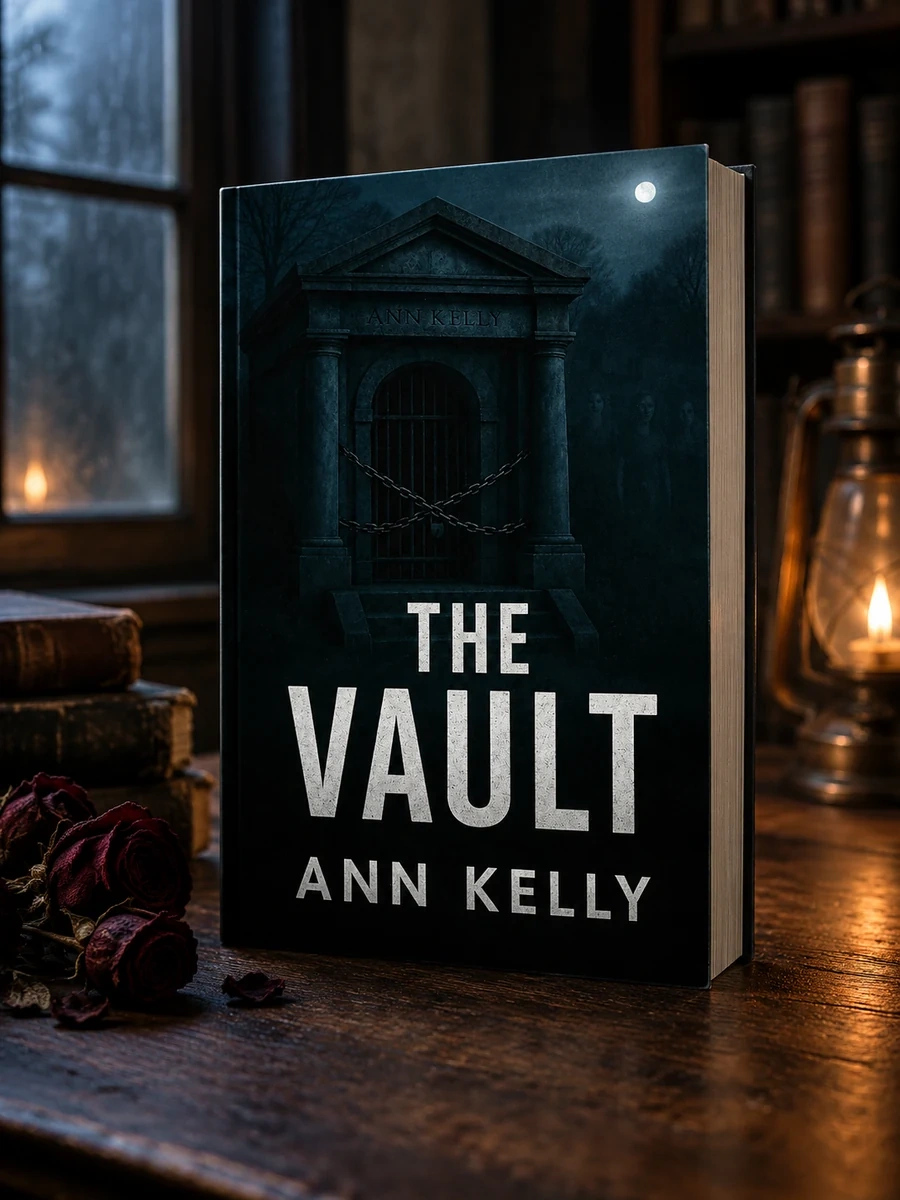
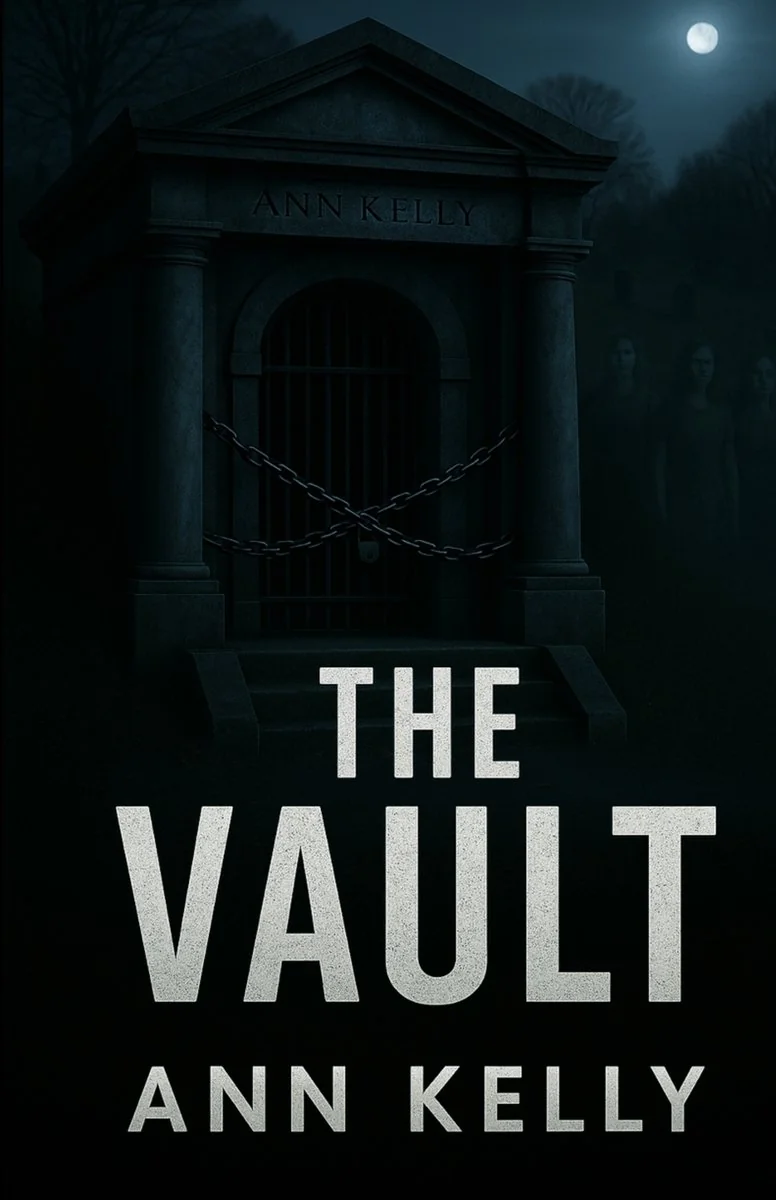
The Vault: A Collection of Erie's Darkest Legends
Thirteen modern horror tales rooted in Erie's real locations and twisted history.
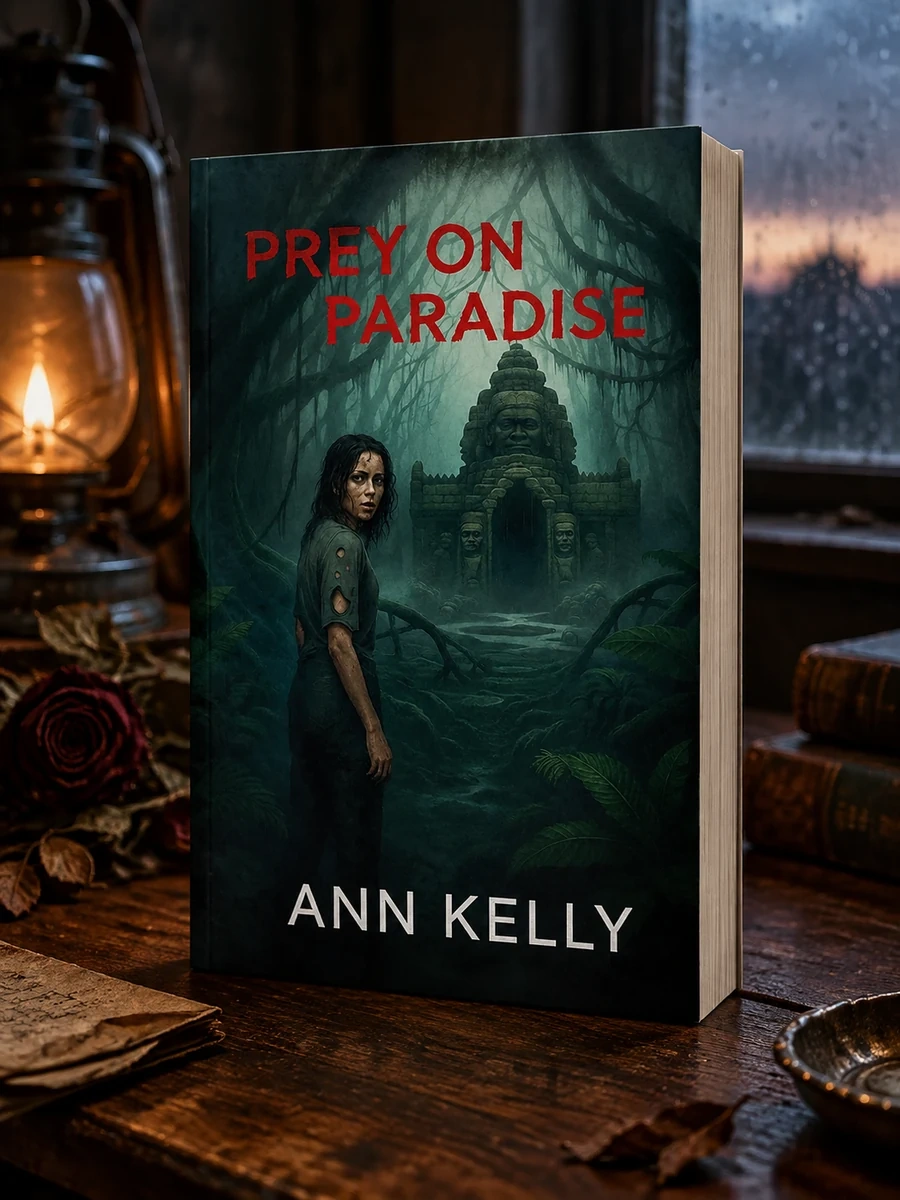
This volume compiles thirteen distinct narratives that blend contemporary fear with regional folklore. Kelly examines specific sites like a haunted mansion, a crying lighthouse, and an empty train station to ground the supernatural elements in tangible geography. The work functions as a collection of warnings rather than mere entertainment. It targets readers who appreciate atmospheric storytelling tied to actual places. The text avoids generic tropes by focusing on local legends that have caused people to disappear over time.
The book draws on Erie's real locations and twisted history to create modern horror tales. It relies on local legends known to every resident and tested by local children. The stories are presented as warnings rather than campfire entertainment, grounding the supernatural in a specific American regional context.


📝 Description: The Vault: A Collection of Erie's Darkest Legends
💎 Our verdict on The Vault: A Collection of Erie's Darkest Legends
📖 Why choose it
Why this book is worth reading
Readers who appreciate atmospheric storytelling tied to actual places will find this collection particularly rewarding. It serves as a compelling entry point for those interested in how local folklore evolves into modern mythos, offering a unique blend of psychological dread and geographic specificity. The book is ideal for audiences who prefer character-driven horror over fast-paced action, allowing the setting itself to become a source of terror. By focusing on warnings about missing persons rather than mere entertainment, it provides a deeper, more unsettling engagement with the material. Fans of dark fantasy and true crime elements that intersect with supernatural occurrences will also find value in its grounded approach to the macabre.
⭐ Reader reviews
Reader rating
Ann Kelly effectively anchors thirteen modern horror tales in Erie’s tangible geography, creating a chilling sense of immediacy. The collection excels in its atmospheric style, transforming ordinary sites like empty train stations and haunted mansions into vessels of dread. By framing these narratives as warnings about real disappearances rather than campfire stories, Kelly heightens the psychological impact for the reader. This approach suits those who believe the scariest legends are rooted in reality, offering a slow-burn tension that rewards patience. However, readers seeking generic tropes or non-local folklore may find less appeal here. The work is a strong addition to the regional horror subgenre, delivering genuine unease through its focus on the boundary between truth and legend.