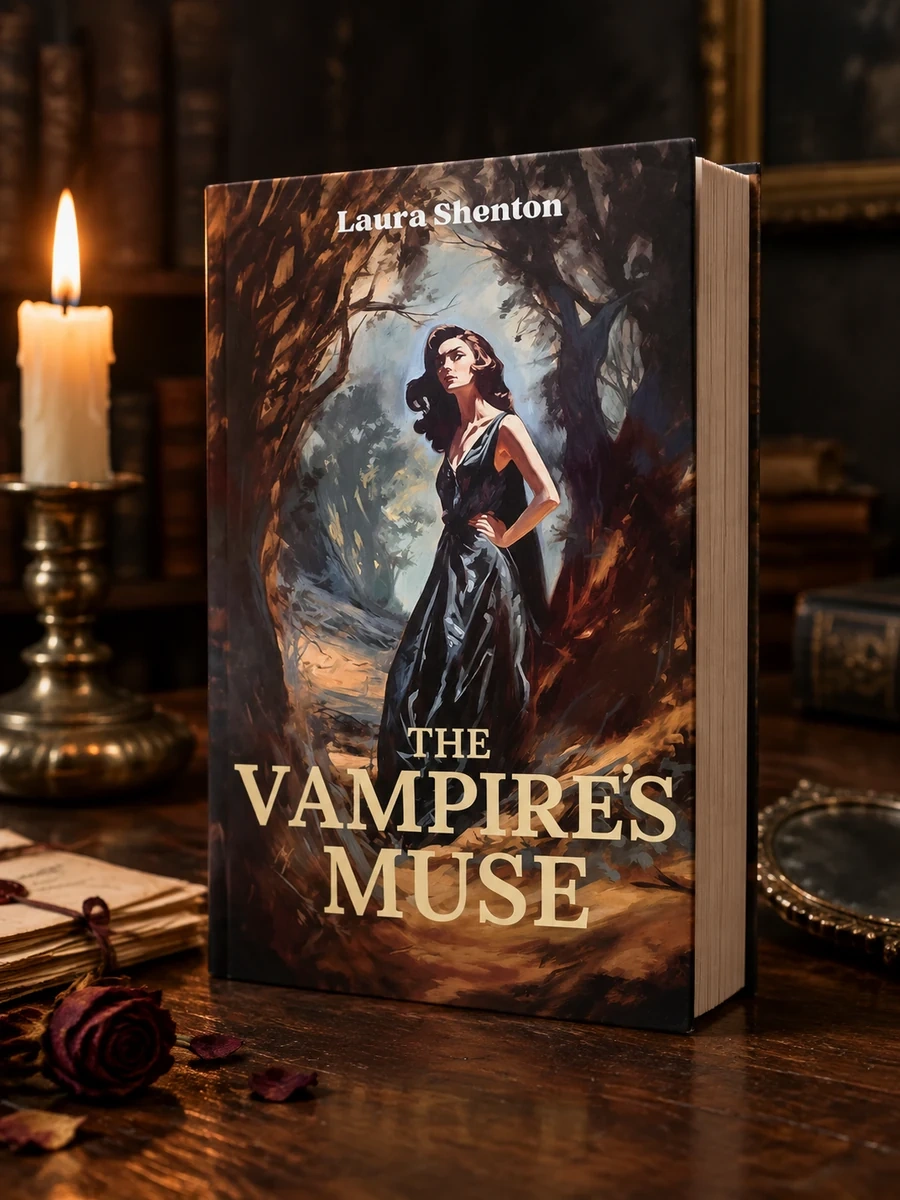
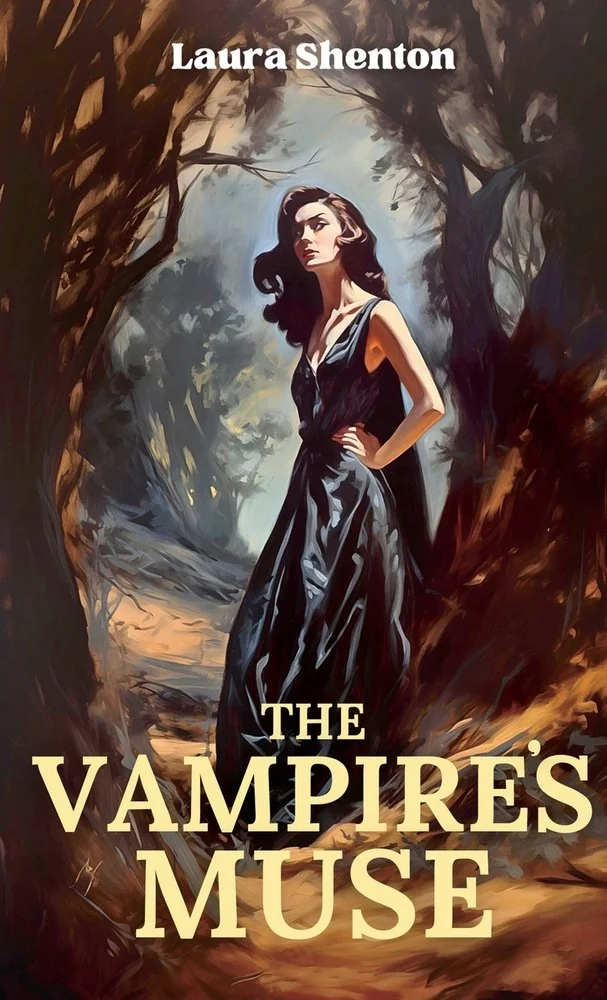
The Vampire's Muse
A gothic novella about a woman uncovering secrets at her ancestral Scottish estate.
Shenton writes a concise narrative centered on Erica Carmichael and her arrival at a relatives' home in Scotland. The plot hinges on the tension between Erica’s presence and the oppressive mood of the house. Jack, the sculptor, provides a visual link to the family's hidden past through his art. This approach allows Shenton to explore themes of heritage and mystery without relying on extensive exposition. The story remains grounded in Erica’s experience as she navigates the physical and emotional landscape of her ancestry.
The book is set in the Scottish moorlands, drawing on gothic fiction traditions. It reflects a period where ancestral homes hold dark histories. The setting emphasizes isolation and the weight of family legacy within the horror genre.


📝 Description: The Vampire's Muse
💎 Our verdict on The Vampire's Muse
📖 Why choose it
Why this book is worth reading
Readers who appreciate slow-burn, atmospheric narratives set in isolated rural locations will find this novella deeply rewarding. It is ideal for those interested in exploring the intersection of personal heritage and mysterious, possibly vampiric, legacies through a psychological lens. The story suits individuals who enjoy dissecting familial secrets within oppressive, shadowed environments rather than seeking fast-paced action or contemporary urban thrillers. By focusing on Erica’s internal unease and the tangible clues provided by Jack’s sculptures, the book offers a reflective experience for fans of gothic traditions who value mood and psychological tension over plot speed.
⭐ Reader reviews
Reader rating
Laura Shenton effectively crafts an oppressive atmosphere within The Vampire's Muse, utilizing the Scottish moorlands to heighten Erica Carmichael’s growing unease. The narrative succeeds in grounding supernatural elements through Jack’s sculptures, which serve as tangible links to the family’s hidden past without relying on heavy exposition. This approach allows for a nuanced exploration of lineage and mystery. The book is best suited for readers who enjoy psychological horror and gothic traditions where the setting itself acts as a character. While those preferring rapid pacing or modern settings may find the rural, slow-burn style less appealing, fans of atmospheric tales focusing on emotional landscapes will appreciate the careful construction of suspense and the interplay between internal states and external environments.