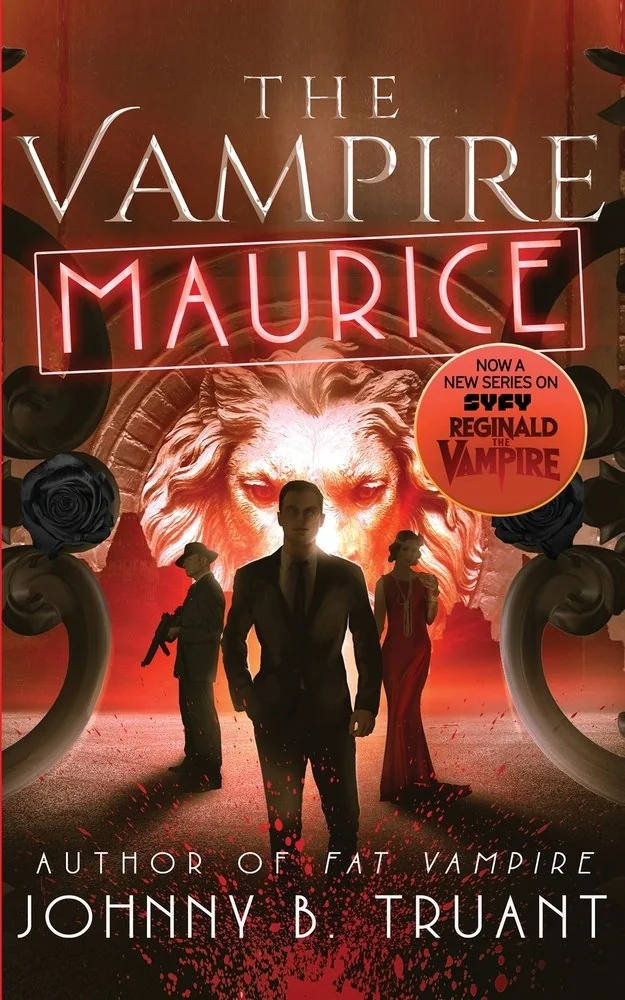
The Vampire Maurice
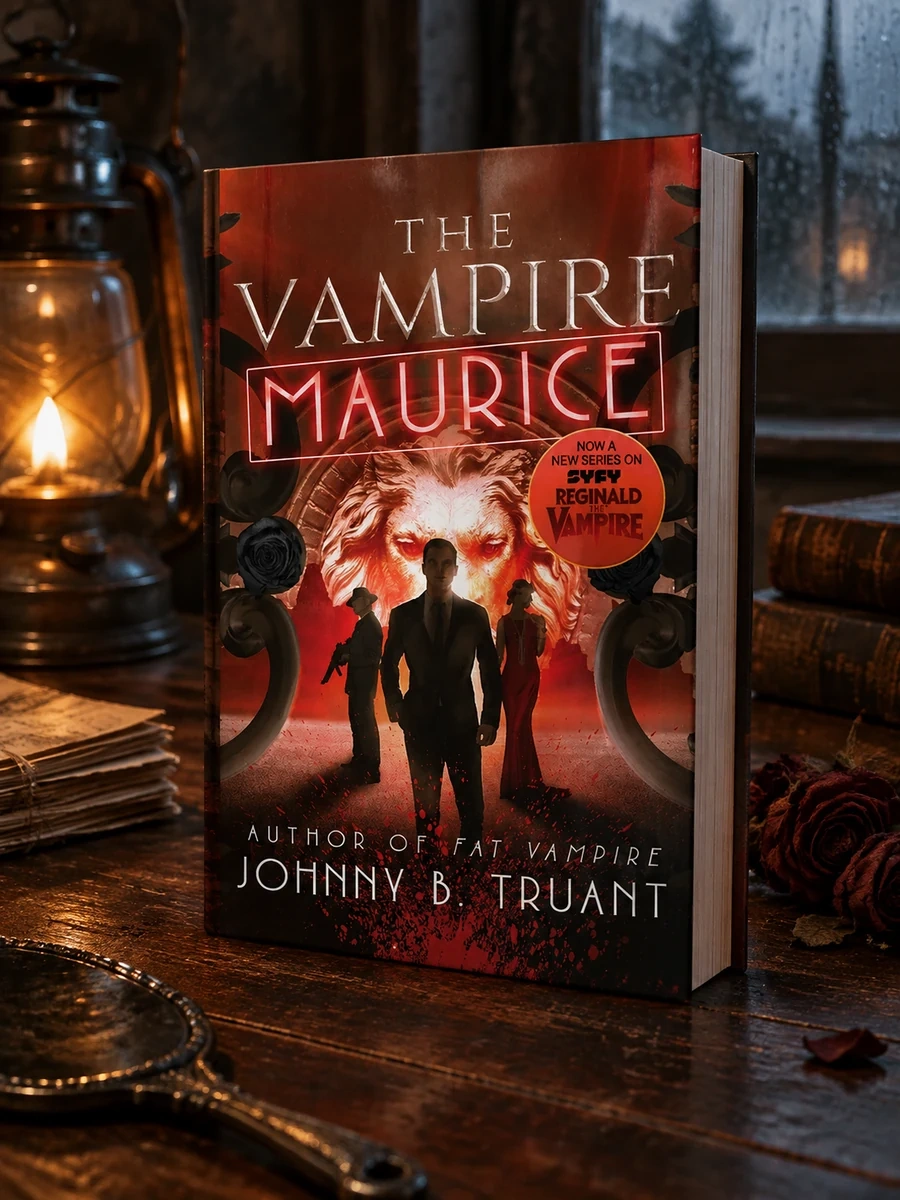
A vampire detective stops a mafia blood trade in 1929 Chicago.
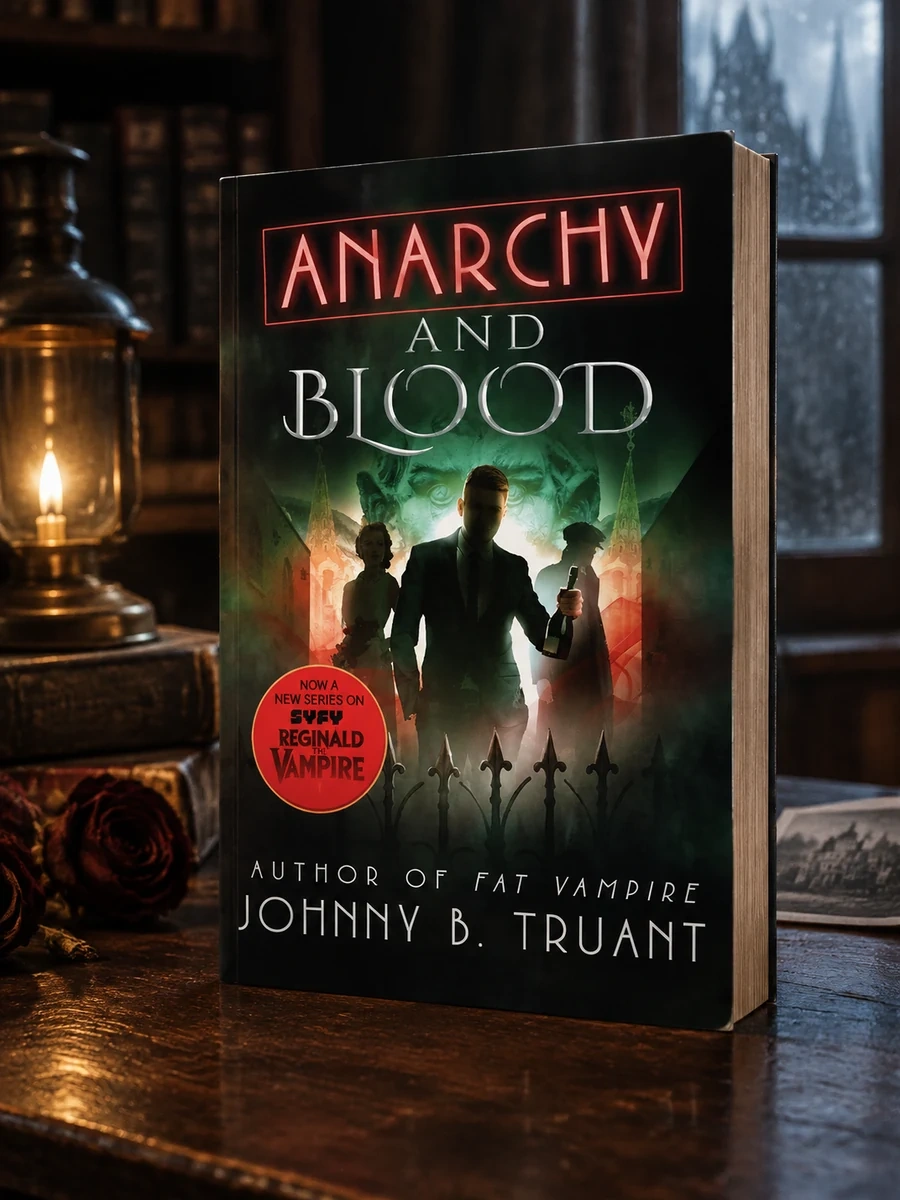
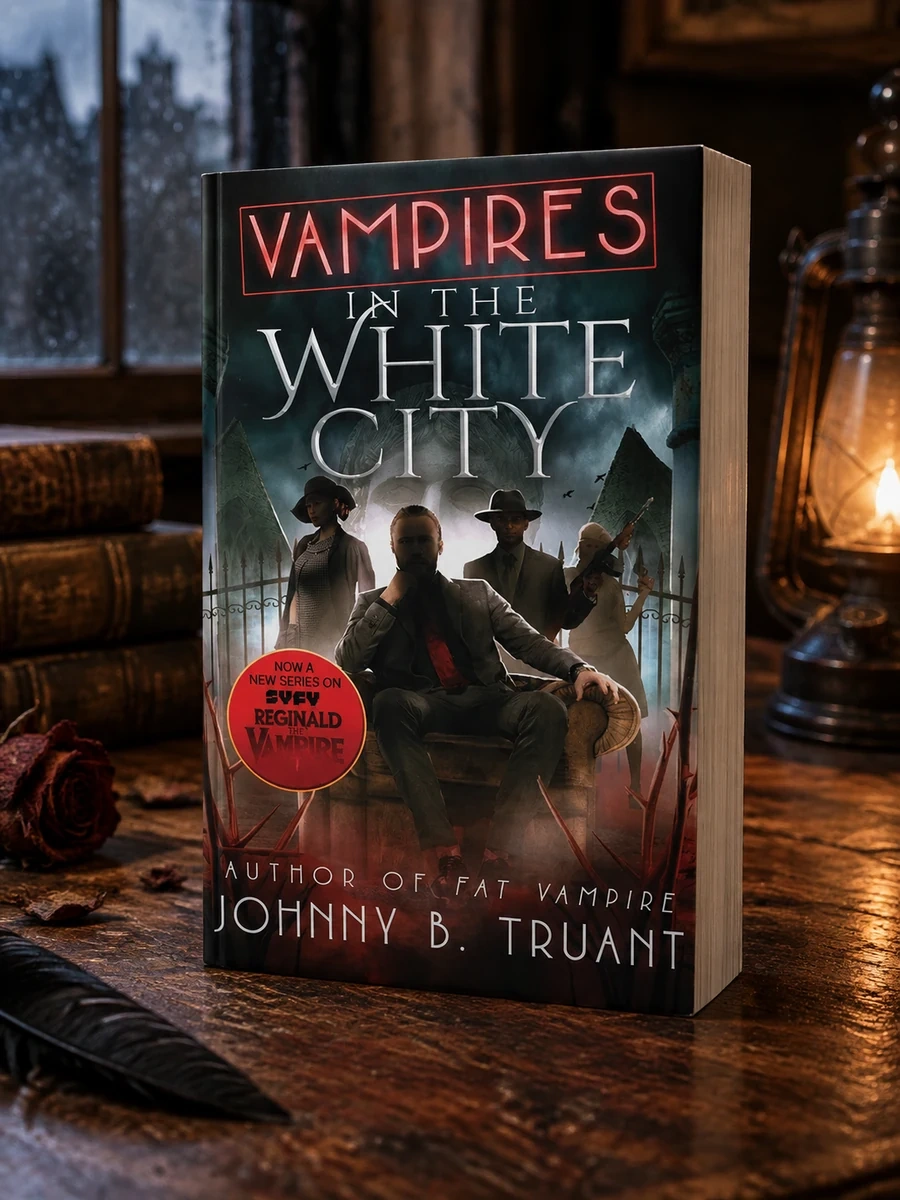
This novel examines the intersection of organized crime and supernatural biology in early twentieth-century America. Truant constructs a narrative where the vampire community mirrors real-world criminal enterprises of the Prohibition era. The central conflict arises from the introduction of Thrill, a synthetic blood that threatens to destabilize existing power structures. Maurice acts as the protagonist who must intervene against these corrupt forces. The story relies on the established lore of the Fat Vampire world to ground its supernatural elements in a recognizable historical context. It offers a gritty look at how ancient beings adapt to modern criminal methods.
The narrative is set in 1929 Chicago during the height of Prohibition. It draws on the historical context of Al Capone's empire and the bootlegging industry, reimagining these elements through a supernatural lens where vampires control the deadly trade.


📝 Description: The Vampire Maurice
💎 Our verdict on The Vampire Maurice
📖 Why choose it
Why this book is worth reading
This book offers a compelling fusion of period atmosphere and supernatural intrigue for those who appreciate urban fantasy mixed with crime drama. It is particularly suitable for fans of the Fat Vampire universe seeking deeper exploration of its hidden underworld. The narrative appeals to readers interested in how traditional vampire society interacts with modern criminal methods. Those looking for a gritty look at power struggles within a supernatural community will find this engaging. It provides a distinct perspective on Prohibition-era Chicago through a horror lens, diverging from traditional Gothic horror or historical non-fiction. The story highlights the consequences of corruption and the tension between old traditions and new threats.
⭐ Reader reviews
Reader rating
Johnny Truant successfully expands his established universe by grounding supernatural biology in the recognizable context of 1920s organized crime. The narrative effectively mirrors real-world criminal enterprises, using the vampire community to explore themes of power and corruption. Maurice’s role as a detective intervening against a synthetic blood trade adds a layer of procedural tension to the horror elements. The book stands out for its clear focus on the destabilizing effects of new technologies within ancient societies. It appeals strongly to readers who enjoy urban fantasy with a hard-boiled edge. While it may not suit those seeking traditional Gothic horror, it delivers a satisfying exploration of supernatural underworld dynamics and historical adaptation.