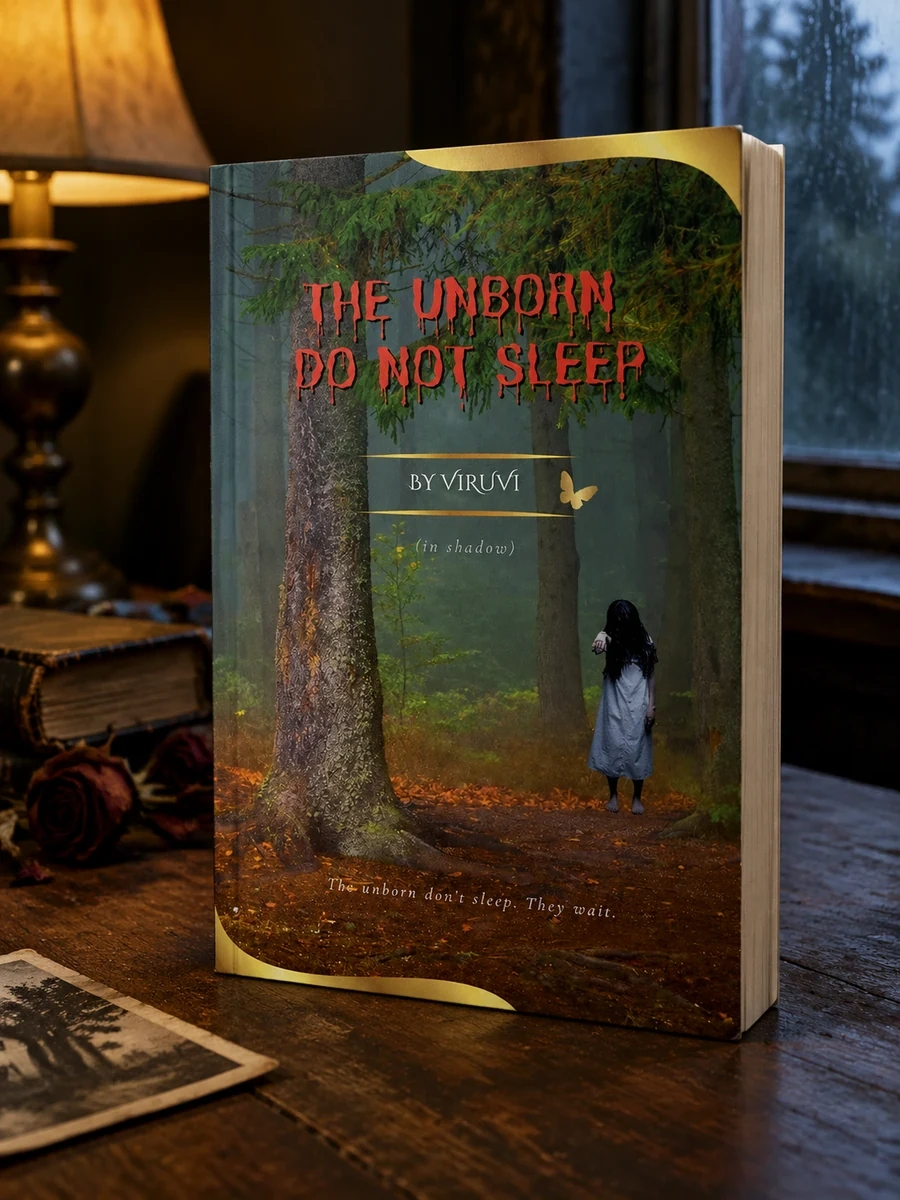
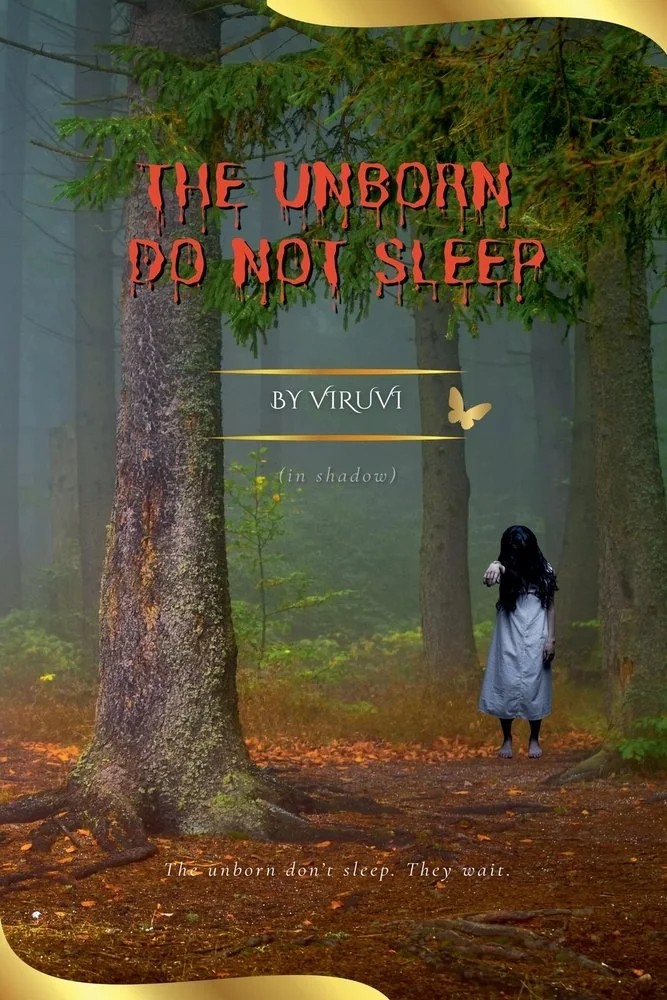
The Unborn Do Not Sleep
A psychological horror about ancestral curses and the chilling bond between mother and child.
Mireya Veilmore travels to Sabah to confront the mystery of her mother’s death during childbirth. She carries a cold-pulsing pendant and questions about her lineage. The narrative focuses on the ruins of an abandoned house where an ancient presence stirs. Viruvi constructs a story around black magic and generational curses that refuse to stay buried. Mireya’s investigation reveals that she is becoming entangled in the very horror she seeks to understand. The text emphasizes the eerie connection between the land and its inhabitants. Trees watch, and the soil whispers secrets about the unnamed unborn child. This approach creates a sense of inevitable doom rather than sudden terror.
The narrative is set in Sabah, a region in Malaysia known for its dense forests and indigenous folklore. The story draws on local traditions regarding birth, death, and the spiritual realm. It explores how generational curses persist across time and geography, affecting those who return to their roots.


📝 Description: The Unborn Do Not Sleep
💎 Our verdict on The Unborn Do Not Sleep
📖 Why choose it
Why this book is worth reading
Readers who appreciate atmospheric dread over visceral gore will find deep satisfaction in this slow-burning psychological horror. The book appeals to those interested in the complexities of bloodline secrets and the eerie connection between land and inhabitant. It offers a haunting legacy that lingers long after reading, focusing on ancestral trauma rather than sudden terror. Those seeking fast-paced action or clear resolutions may find the narrative frustrating, but fans of folklore and psychological tension will enjoy Mireya’s descent into family secrets. The text emphasizes the chilling bond between mother and child, creating a sense of inevitable doom that rewards patience with a profound, unsettling experience.
⭐ Reader reviews
Reader rating
Viruvi constructs a compelling tale of ancestral curses where the past wakes beneath the soil. Mireya’s investigation reveals she is becoming part of the horror she seeks to understand, blurring the line between observer and participant. The prose emphasizes the eerie connection between the land and its inhabitants, with trees watching and soil whispering secrets about an unnamed unborn child. This approach creates a sense of inevitable doom rather than sudden terror. The novel suits readers who appreciate atmospheric dread and psychological tension over gore. It is a haunting study of generational curses that refuses easy answers, leaving a lingering legacy of chill for those willing to endure its slow burn.
You might also like
See more →



Have a question about this item?
Ask about the edition, condition, delivery or anything else — we reply by email or phone, usually within a day.
