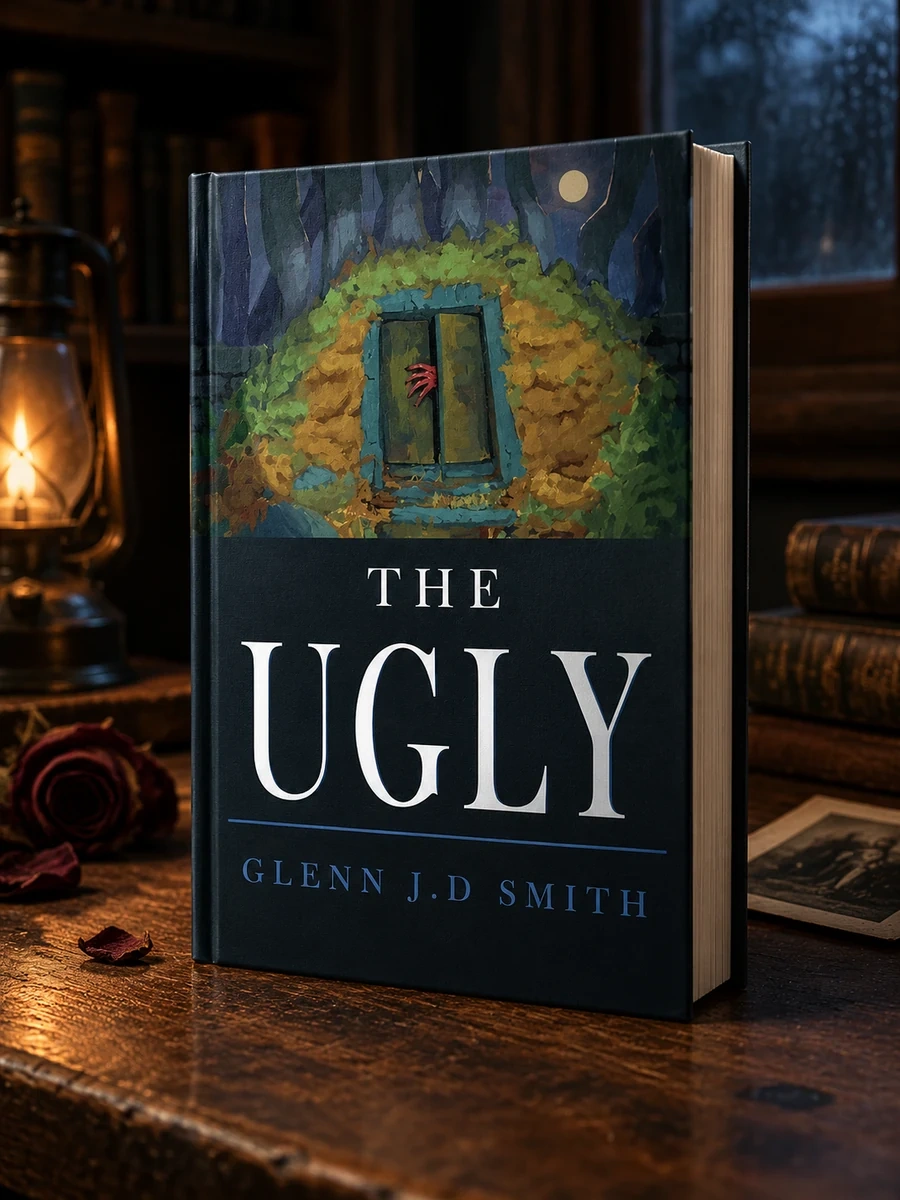
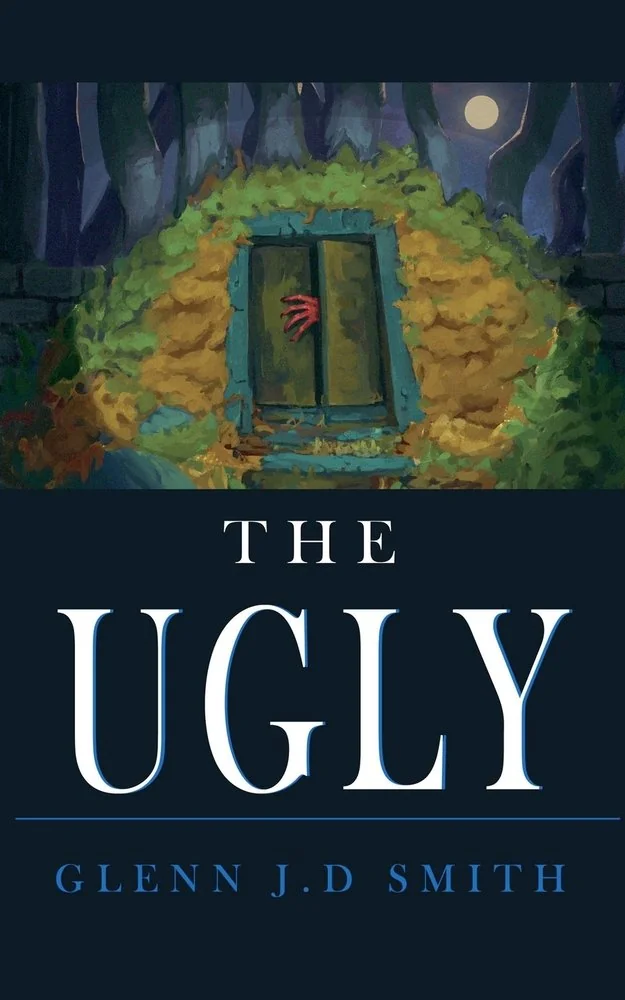
The Ugly
A rural horror tale about two men confronting their inner ugliness after a fatal encounter.
Smith focuses on the psychological decay of Alistair Henley and Norman Welk. The narrative begins with personal failures, including Alistair's breakup with Rhona and his unemployment. Dave Snyder’s attempt to help leads to a confrontation with Norman. The core conflict arises from the creature in the bomb shelter. Smith uses this setup to explore how bad nights can spiral into deadly consequences. The book examines the capacity for violence when people are pushed past their limits.
The Ugly sits within the tradition of American rural horror, drawing on the trope of the isolated farmhouse and the bomb shelter. It reflects contemporary anxieties about unemployment and relationship breakdowns in remote settings. The story relies on the tension between urban outsiders and hidden local secrets.


📝 Description: The Ugly
💎 Our verdict on The Ugly
📖 Why choose it
Why this book is worth reading
Readers who appreciate character-driven psychological horror set in remote locations will find much to appreciate here. Glenn Smith delivers a visceral tale that examines the capacity for violence when people are pushed past their limits. The narrative focuses on the psychological decay of broken individuals, making it ideal for those interested in how bad nights can spiral into deadly consequences. It is not for seekers of lighthearted supernatural fiction but rather for audiences willing to confront the ugliness within themselves through the lens of rural isolation and fatal encounters.
⭐ Reader reviews
Reader rating
Smith structures this horror around the collision of two broken lives, offering a compelling study in psychological decay. The narrative effectively shifts perspective between Alistair Henley and Norman Welk, illustrating how personal failures can escalate into violent confrontations. The book excels in maintaining a tone of relentless dread without offering easy redemption. Readers who enjoy exploring the darker aspects of human nature through the medium of rural horror will find this work particularly engaging. It serves as a grim reminder of the fragility of sanity when confronted with both inner demons and external threats in isolated environments.