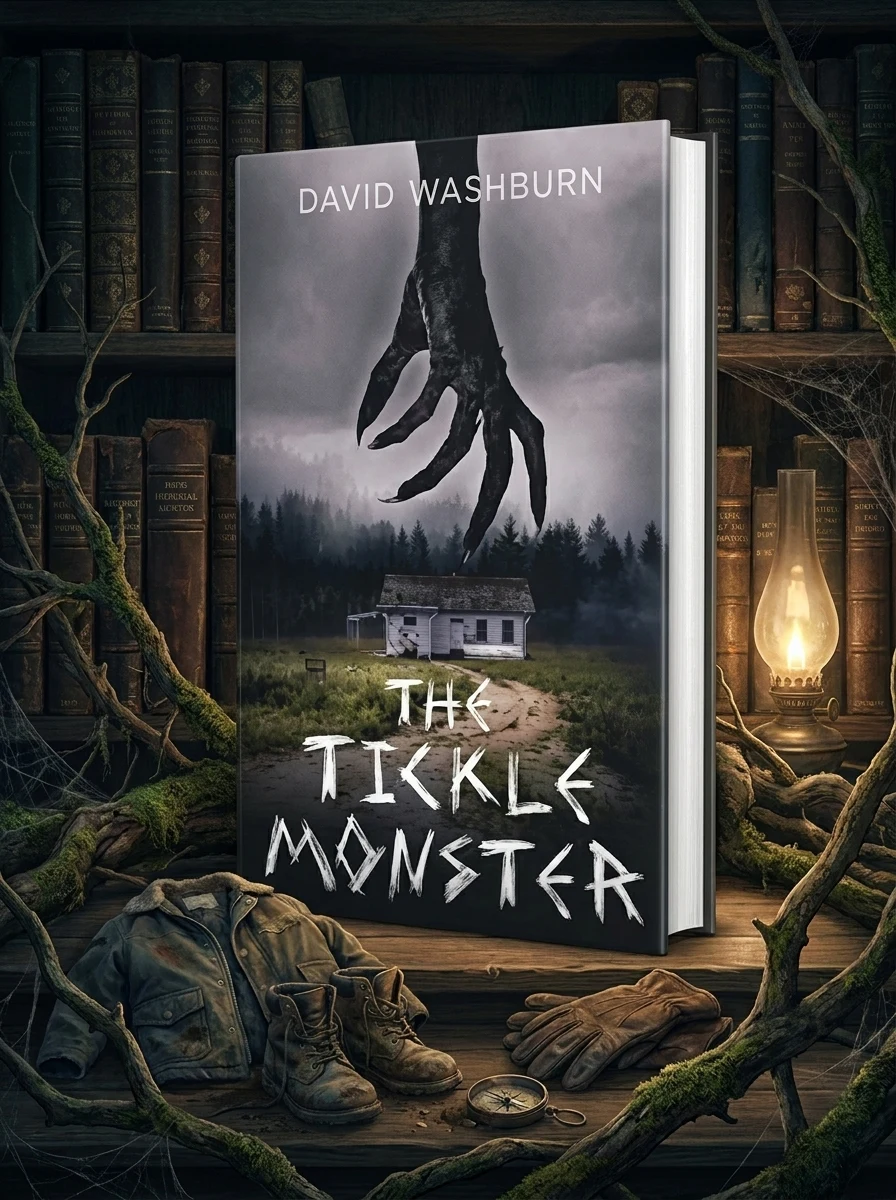
The Tickle Monster
A colonial era horror tale about a boy's forbidden encounter in the woods.
The narrative centers on Teddy, a boy caught between his father's lessons on manhood and his own rebellious urges. The plot hinges on a warning not to enter the woods, which Teddy disregards. This decision leads him to an encounter with something he cannot make sense of. The story examines the loss of childhood innocence through the lens of colonial era horror. It focuses on the psychological impact of dread and the weight of family traditions. The text does not rely on jump scares but rather on the lingering unease of a haunted mind. The structure follows Teddy's internal journey as he processes this traumatic experience. The author uses the setting to amplify the sense of isolation and vulnerability. This approach creates a chilling atmosphere that lingers long after the final page.
The story is set in the colonial era, drawing on period-specific family structures and social expectations. It reflects historical anxieties about discipline and the unknown natural world. The narrative uses this time period to heighten the sense of isolation and the weight of tradition on a young mind.


📝 Description: The Tickle Monster
💎 Our verdict on The Tickle Monster
📖 Why choose it
Why this book is worth reading
Readers who appreciate atmospheric tension over visceral gore will find this narrative deeply resonant. It offers a nuanced examination of childhood trauma and the loss of innocence through a historical lens. Those interested in psychological horror that lingers long after reading will benefit from its focus on internal conflict. The book appeals to fans of slow-burn dread and complex family dynamics rather than those seeking fast-paced action or modern settings.
⭐ Reader reviews
Reader rating
Washburn crafts a chilling atmosphere by focusing on Teddy's internal journey rather than external scares. The colonial setting effectively amplifies feelings of isolation and vulnerability, creating a sense of lingering unease that defines the protagonist's experience. By avoiding jump scares, the author prioritizes psychological impact, making the dread feel personal and inescapable. This approach suits readers who enjoy supernatural fiction grounded in historical context. The narrative succeeds in depicting how a child's imagination can become a terrifying landscape when confronted with incomprehensible forces.
📖 Read on the blog
✍️ More books by this author David Washburn





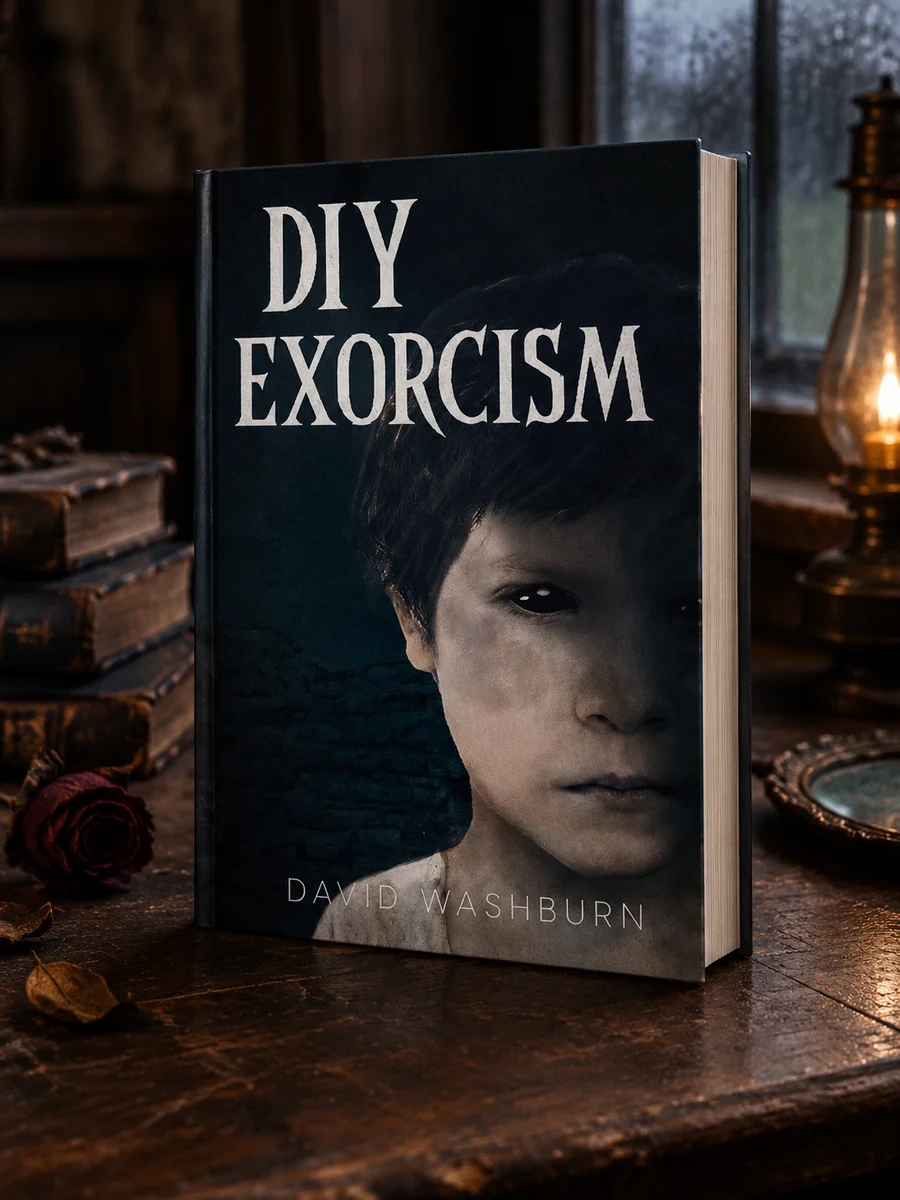
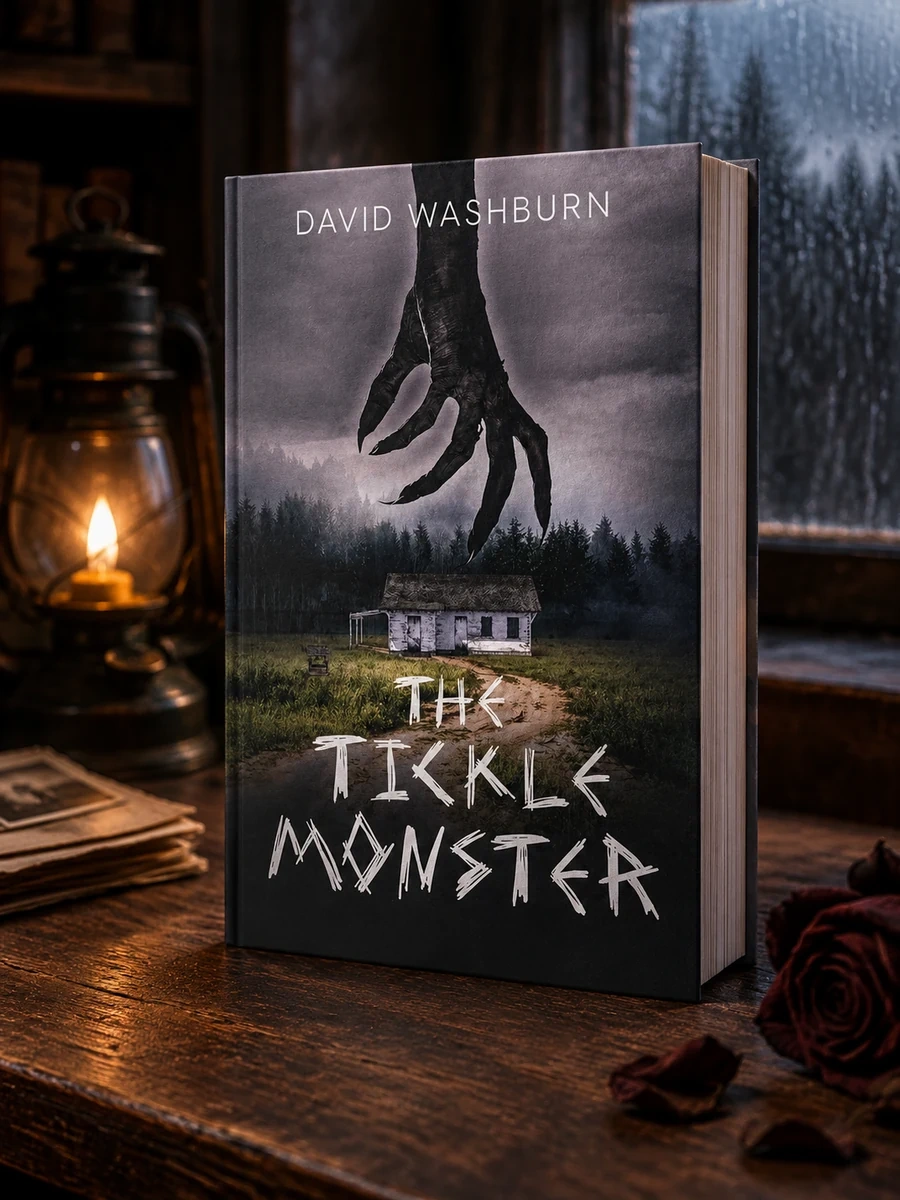
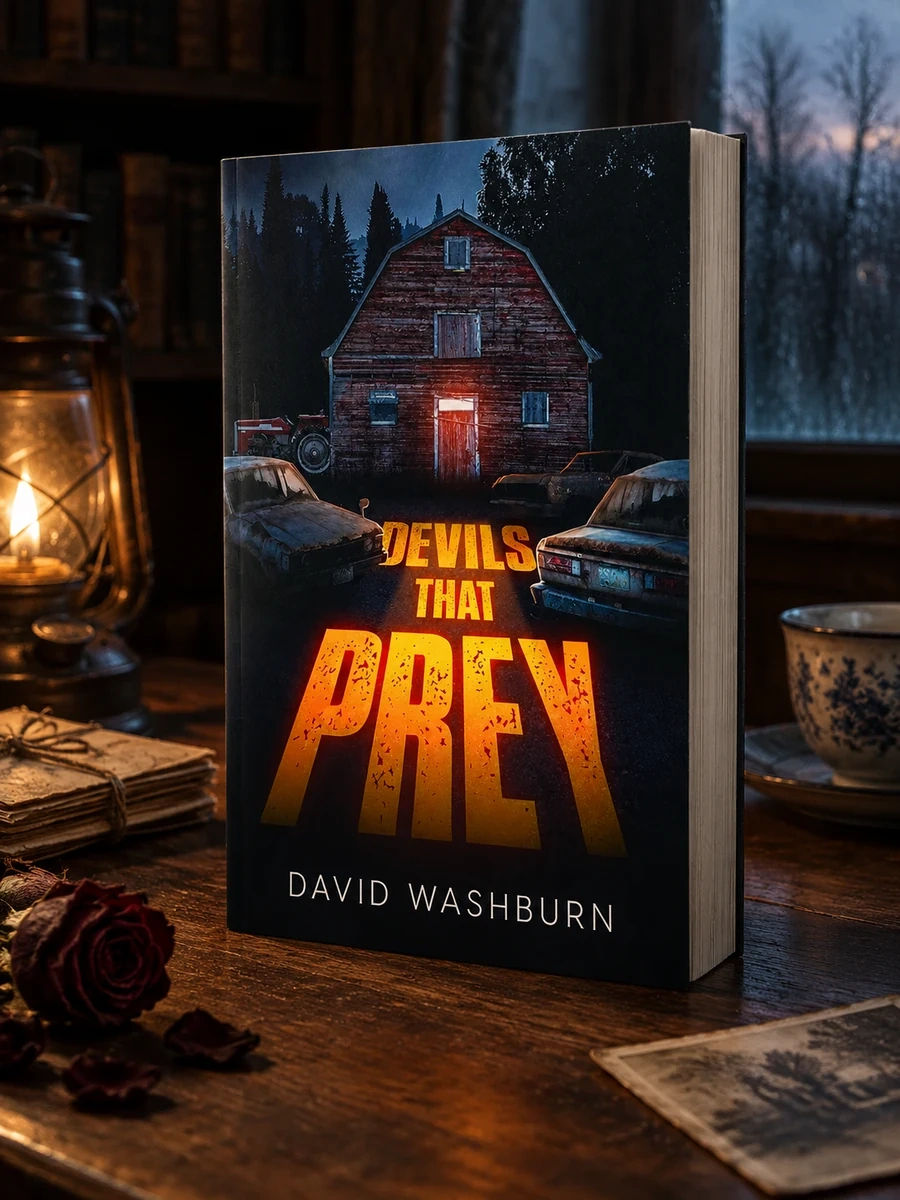
🏛 Books from this publisher Burn Ward Publishing
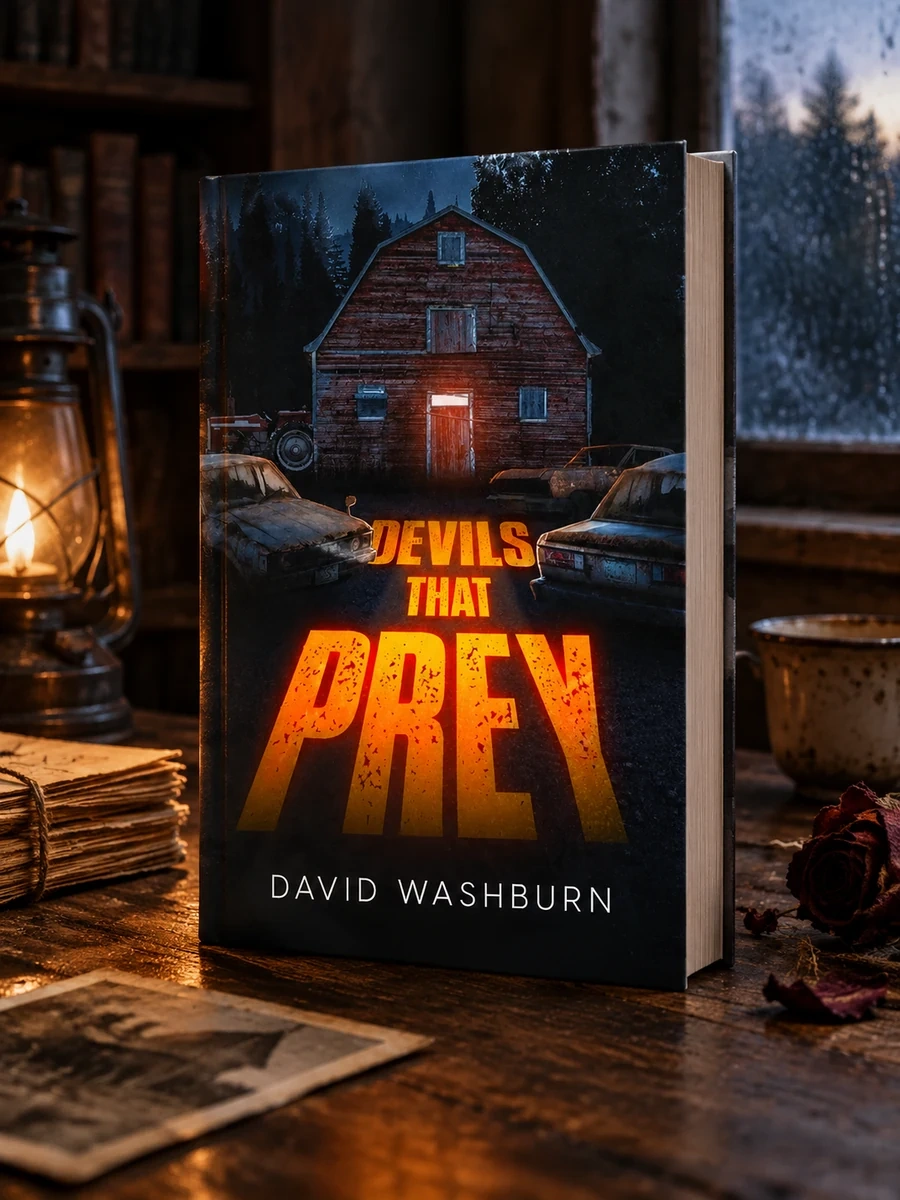
You might also like
See more →



Have a question about this item?
Ask about the edition, condition, delivery or anything else — we reply by email or phone, usually within a day.
