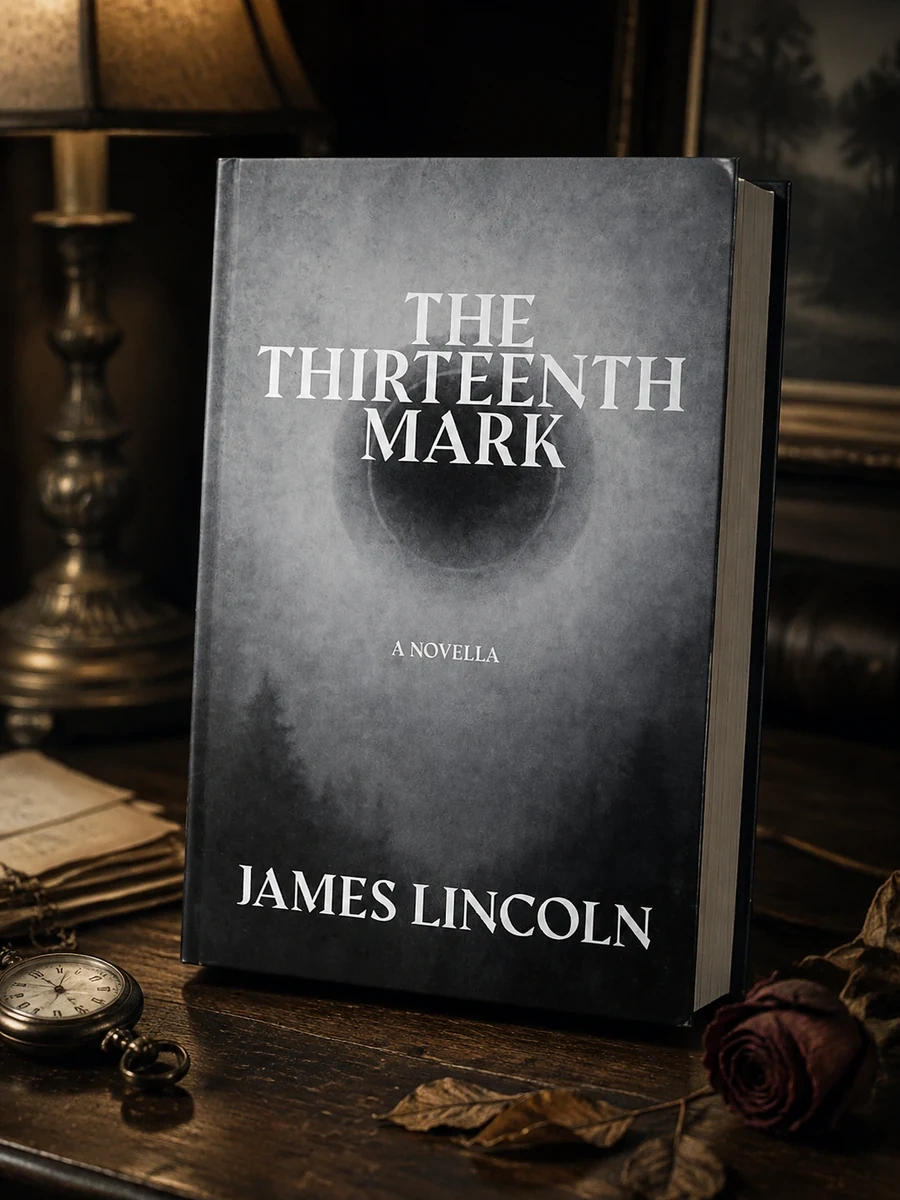
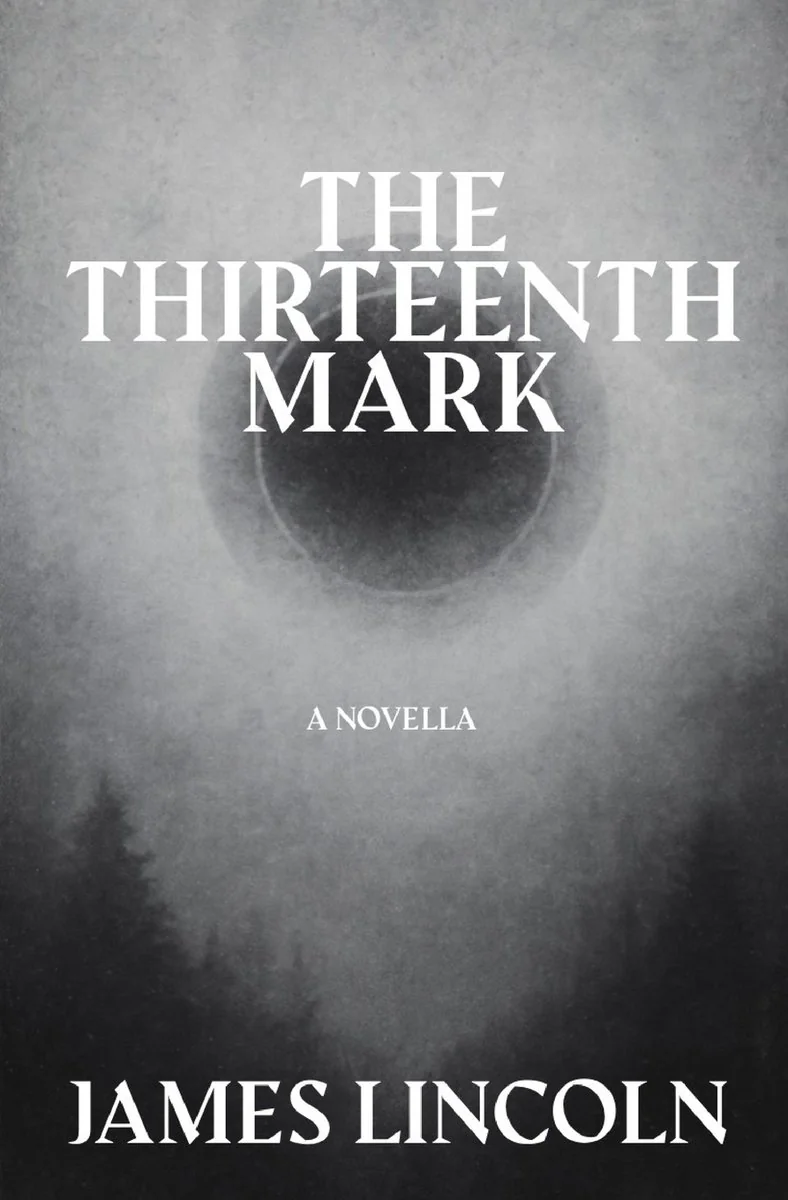
The Thirteenth Mark
A man wakes alone in a silent forest with no memory and a watcher nearby.
Lincoln writes a narrative where silence replaces noise and observation replaces action. The protagonist’s lack of memory creates a void that the surrounding entity fills with its own presence. This dynamic shifts the focus from survival to existential questioning. The book examines how identity persists when all external markers are stripped away. It is not about escaping the forest but understanding the self within it. The watcher represents a mirror to the protagonist’s lost history. Readers encounter a story that values atmosphere over plot mechanics.
Published in 2025 by Independently Published, this work sits within the contemporary landscape of horror and supernatural fiction. It reflects a modern interest in psychological isolation and the erosion of personal history rather than traditional monster hunts.


📝 Description: The Thirteenth Mark
💎 Our verdict on The Thirteenth Mark
📖 Why choose it
Why this book is worth reading
Readers who prioritize atmosphere over plot mechanics will find significant value in this narrative's slow-burn psychological unease. It appeals to those interested in exploring how identity persists when external markers vanish, offering a meditation on surveillance and memory rather than mere survival. The book is ideal for individuals seeking literary horror that rejects loud scares in favor of a creeping sense of dread. Those who appreciate ambiguity and open-ended mysteries regarding the nature of the self will engage deeply with its quiet descent into fear. It serves as a compelling study in isolation, inviting contemplation on what remains when history is stripped away, making it a rewarding choice for patient audiences who value subtlety and existential questioning over traditional resolution.
⭐ Reader reviews
Reader rating
Lincoln excels at constructing a palpable sense of isolation where silence becomes an active, watchful presence. The narrative effectively shifts focus from physical survival to profound existential questioning, utilizing the protagonist’s memory loss to explore the fragility of identity. By refusing to explain the watcher or offer comfort, Lincoln maintains an intense atmospheric pressure that defines the work’s strength. This approach suits fans of gothic and psychological horror who enjoy slow-burn tension and literary depth. However, readers expecting clear resolutions or fast-paced thrills may find the ambiguity frustrating. The book stands as a focused exploration of dread, rewarding those who appreciate subtle, character-driven horror that lingers long after the final page.
📖 Read on the blog
✍️ More books by this author James Lincoln
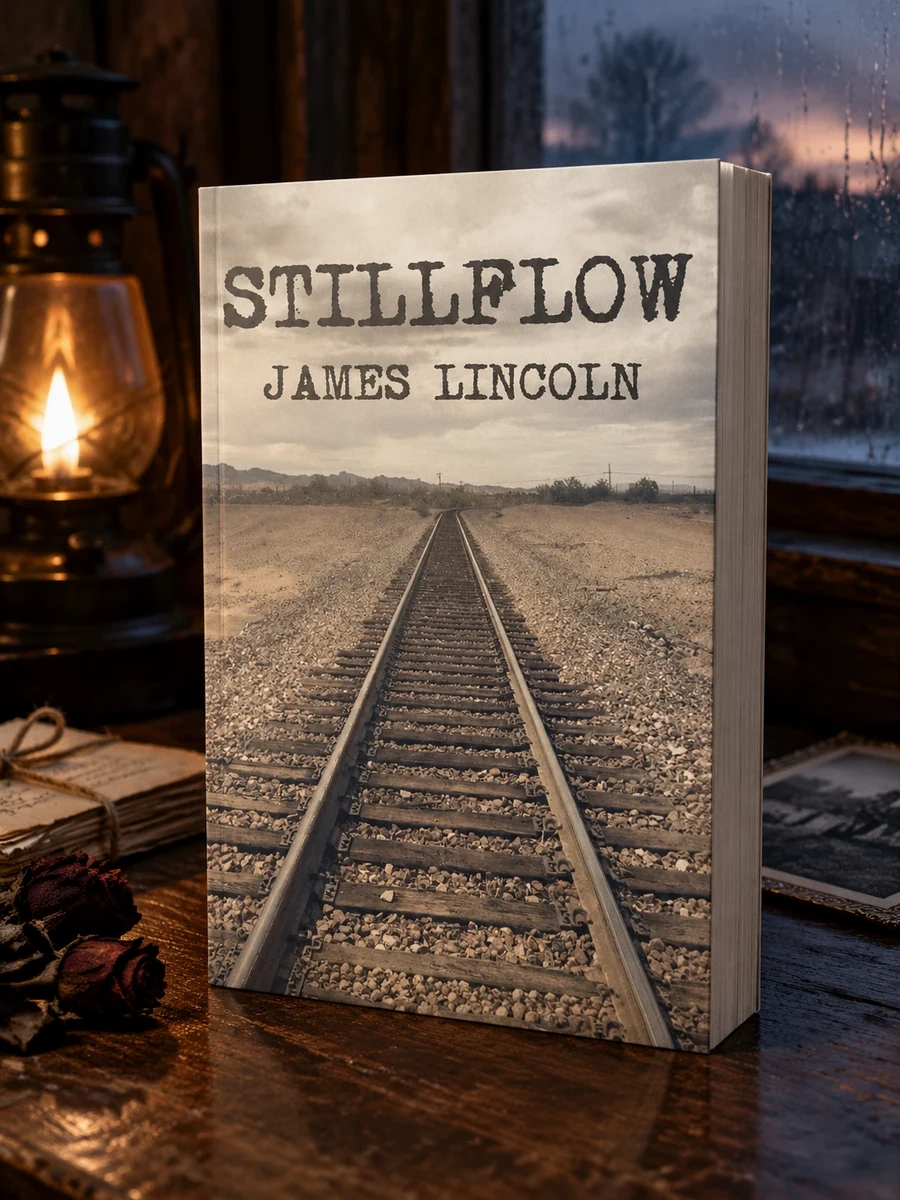


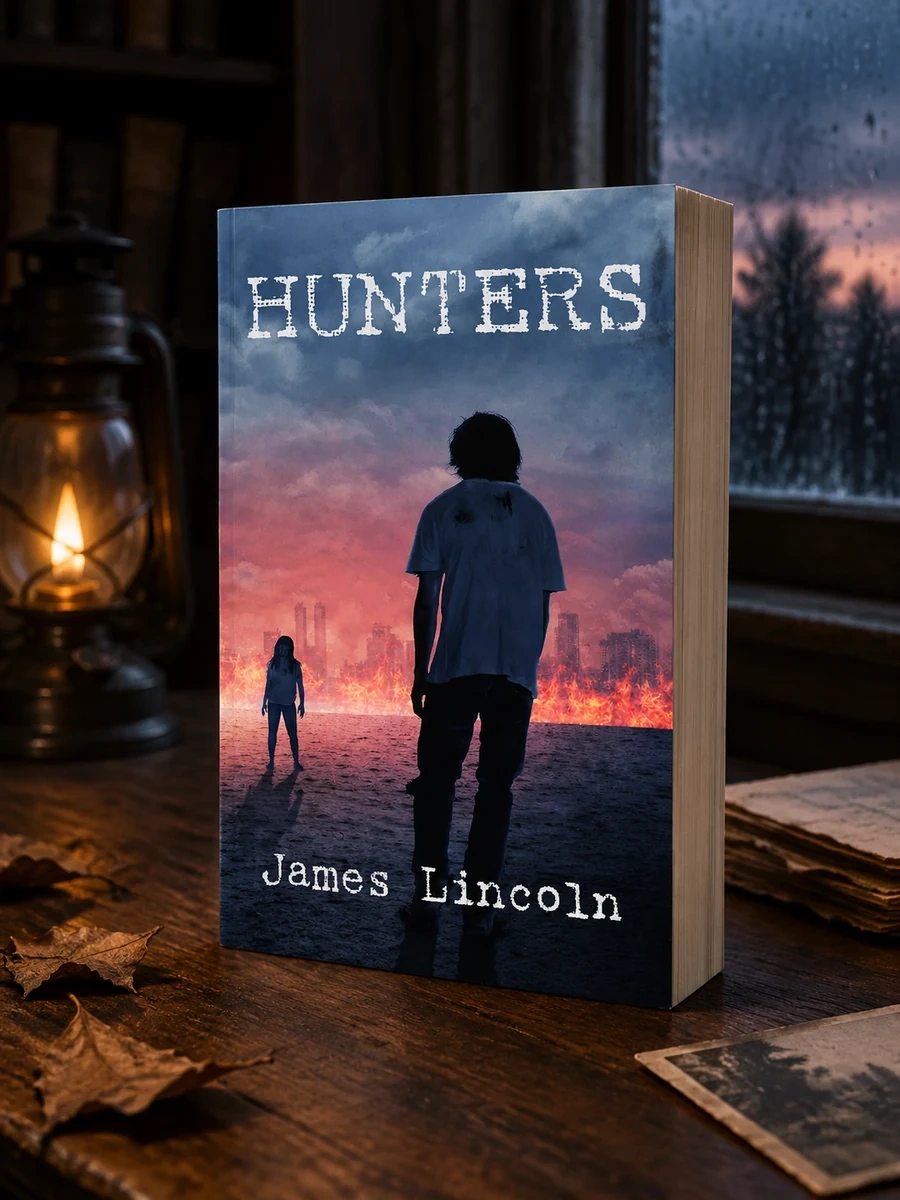
🏛 Books from this publisher Independently Published






You might also like
See more →
Have a question about this item?
Ask about the edition, condition, delivery or anything else — we reply by email or phone, usually within a day.
