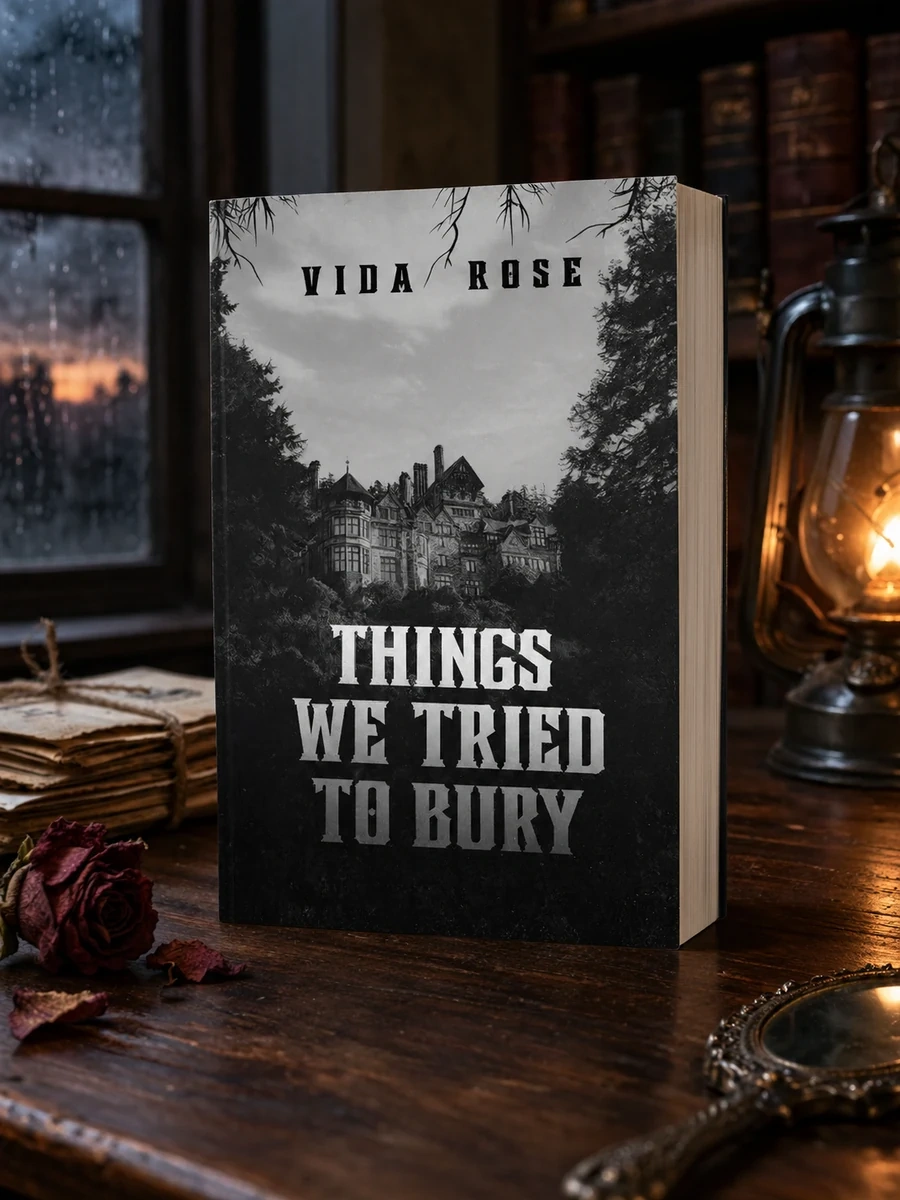
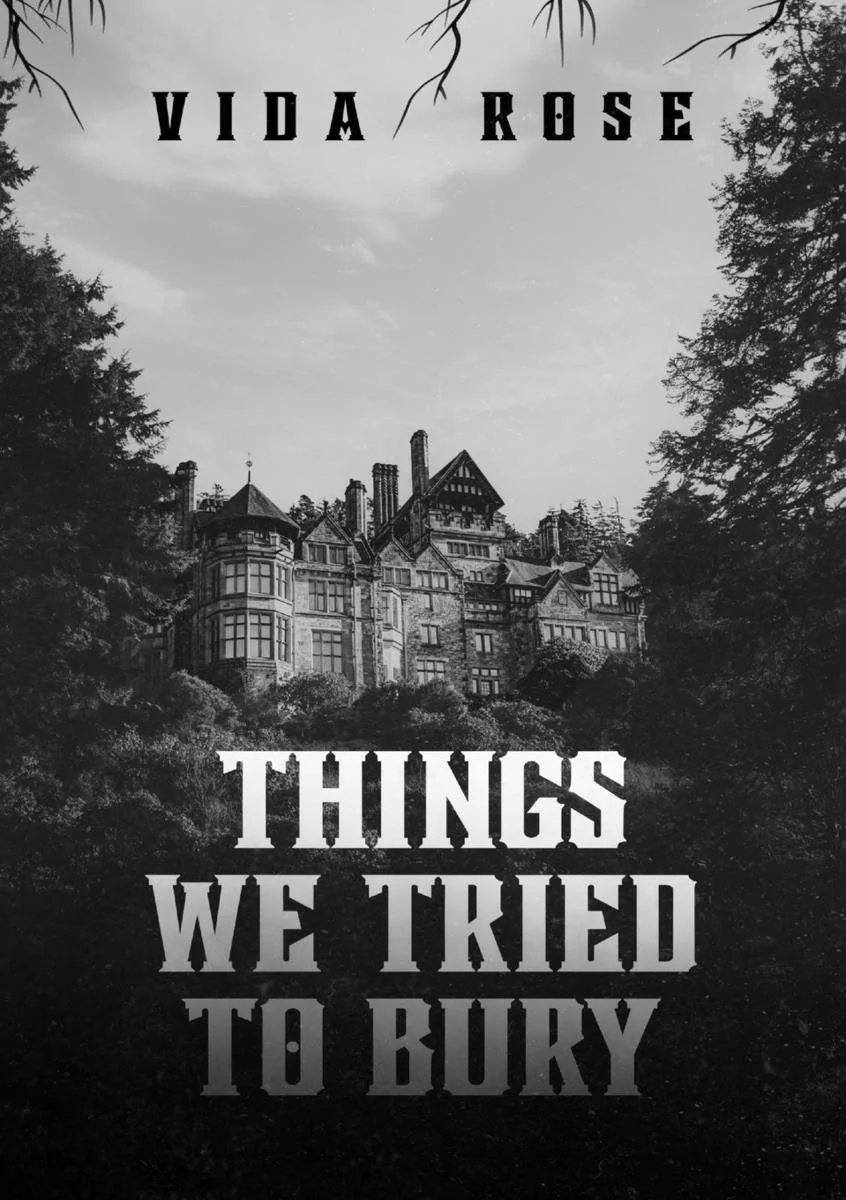
The Things We Tried to Bury
A gothic tale about a manor that remembers its past sins.
Rose explores how the past manifests physically in the present. The narrative focuses on two characters burdened by a generational curse. Their struggle defines the core conflict of the story. The setting is not merely a backdrop but an active participant demanding confrontation. This dynamic creates a sense of inevitable doom for those who ignore history. The book suits readers who enjoy psychological horror rooted in family legacy. It does not suit those looking for action-heavy supernatural adventures. The tone remains consistent throughout, emphasizing dread over surprise.
The book fits within the American gothic tradition of haunted house fiction. It draws on supernatural lore where places hold memory. The publication date is February 2026, placing it in recent contemporary horror literature.


📝 Description: The Things We Tried to Bury
💎 Our verdict on The Things We Tried to Bury
📖 Why choose it
Why this book is worth reading
Readers drawn to psychological horror rooted in family legacy and the weight of inherited guilt will find this narrative deeply resonant. It offers a study in inevitable doom for those who ignore history, emphasizing dread over surprise through a consistent, formal tone. Those who appreciate atmospheric tension driven by historical context rather than explicit gore or contemporary shock value will gain much from its exploration of supernatural retribution. The book suits fans of gothic tales where the past manifests physically, demanding confrontation with generational curses. It is ideal for those seeking grounded horror that examines the intersection of memory and physical reality without relying on action-heavy supernatural adventures or lighthearted paranormal romance elements.
⭐ Reader reviews
Reader rating
Rose delivers a masterclass in atmospheric gothic horror, crafting a narrative where the manor itself acts as an active, remembering participant. By eschewing modern slang for a formal tone, she grounds the story in historical dread, making the supernatural elements feel earned and inevitable. The focus on inherited guilt and the physical manifestation of past sins creates a compelling psychological landscape. While it lacks the clarity of straightforward horror with clear moral stakes, its strength lies in its unwavering commitment to tension and doom. This is best suited for readers who enjoy classic haunted house stories where the environment is the primary antagonist, offering a heavy, immersive experience that rewards patience over immediate gratification.
You might also like
See more →







Have a question about this item?
Ask about the edition, condition, delivery or anything else — we reply by email or phone, usually within a day.
