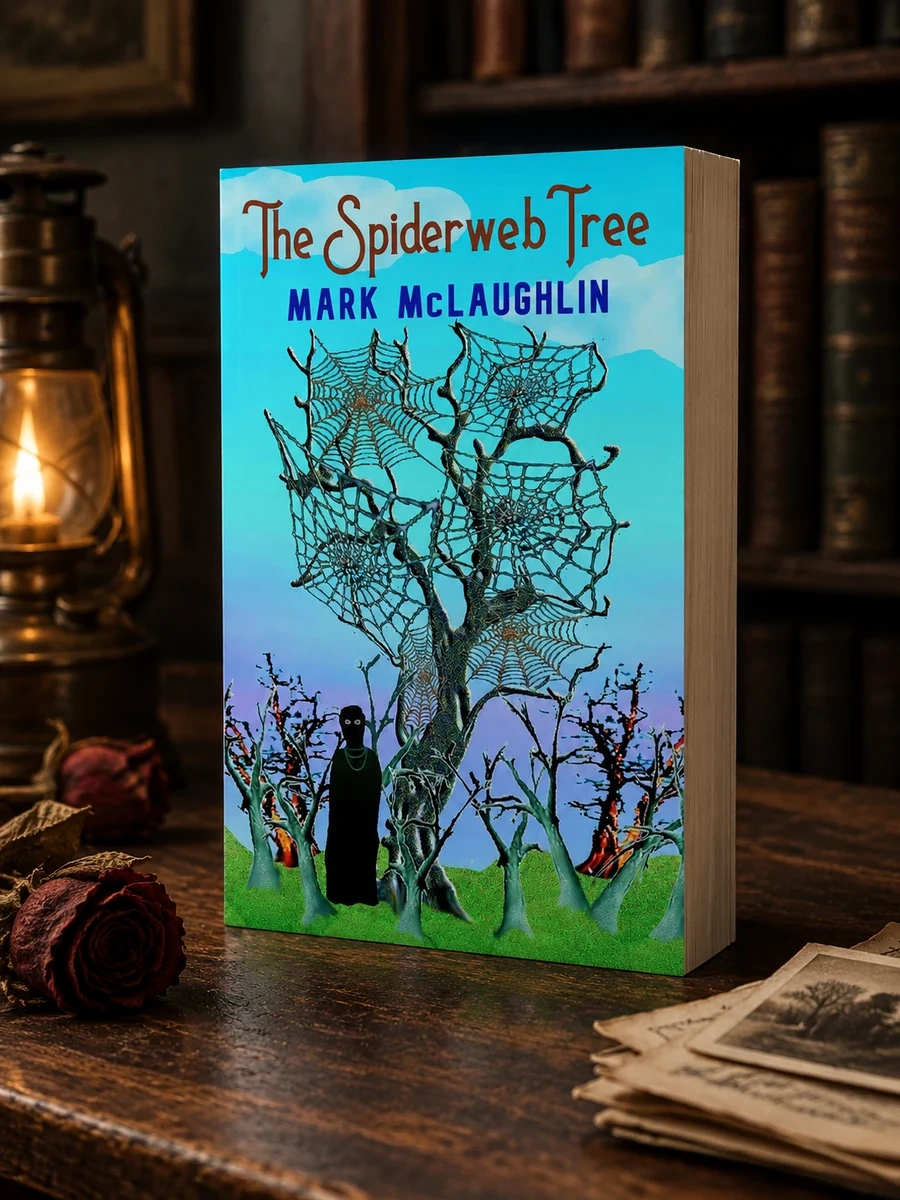
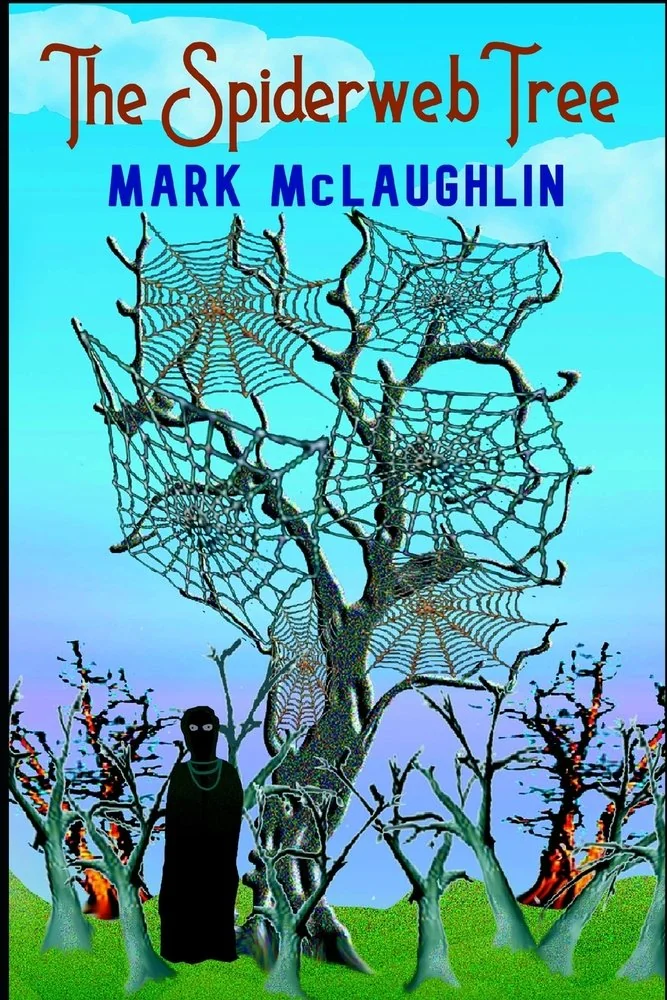
The Spiderweb Tree
A collection of dark adult retellings of fairy tales and urban legends by Mark McLaughlin.
McLaughlin bridges traditional folklore and modern anxiety through two distinct sections. The first part reimagines classic stories like Hansel & Gristle with mature themes. The second part introduces five urban legends such as The Guy Who Never Left The Mall. These tales reflect societal fears rather than ancient myths. The author uses these varied sources to create a cohesive horror experience for grown-ups.
The book sits at the intersection of classic European folklore and modern American urban legend traditions. It draws on the ancient practice of retelling myths for adults and the contemporary circulation of stories believed to be true. The work reflects societal anxieties found in both historical and current cultural contexts.


📝 Description: The Spiderweb Tree
💎 Our verdict on The Spiderweb Tree
📖 Why choose it
Why this book is worth reading
Adult readers who find traditional fairy tales too gentle will gain significantly from this volume's mature reinterpretations of classic folklore. The book offers a cohesive horror experience by juxtaposing grim, twisted versions of well-known narratives like Hansel & Gristle with unsettling modern urban legends. It appeals to those seeking to explore deep-seated fears through the lens of both ancient myths and contemporary social anxieties. By subverting labor expectations and blending the supernatural with everyday settings, McLaughlin creates a unique atmosphere that resonates with individuals interested in psychological horror and dark fantasy. This collection is ideal for readers who appreciate nuanced, adult-oriented storytelling that challenges familiar narratives rather than providing lighthearted entertainment or simple scares.
⭐ Reader reviews
Reader rating
McLaughlin effectively bridges the gap between traditional folklore and modern dread through a dual structure of twisted classics and contemporary urban legends. The volume excels in reimagining familiar stories like Hansel & Gristle with mature themes that subvert reader expectations, while simultaneously capturing current societal fears through tales such as The Guy Who Never Left The Mall. This approach allows for a cohesive exploration of horror that feels both timeless and urgently relevant. The book suits adults seeking serious, dark interpretations of myths rather than casual reading. It avoids lighthearted tropes in favor of lingering unease, making it a strong choice for fans of cosmic and psychological horror who enjoy seeing the grotesque hidden within the mundane.