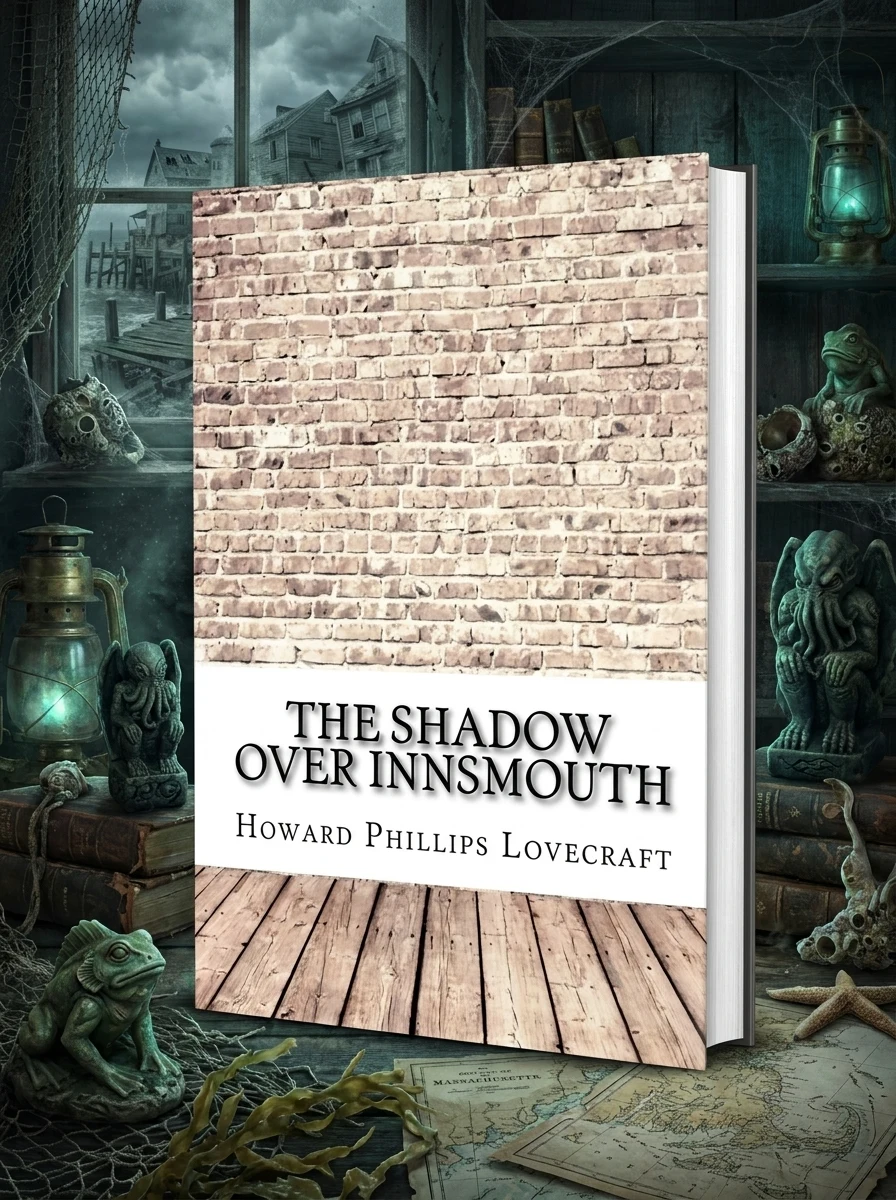
The Shadow Over Innsmouth
Lovecraft's tale of a decaying village and its monstrous inhabitants.
The narrative centers on Innsmouth, a seaside location that has transitioned from a large town to a state of severe disrepair. The protagonist investigates his lineage and discovers the truth about the local population. They are part of a hybrid race with amphibious features. This revelation connects them to ancient deities they worship. The story examines the consequences of such pacts and the isolation of the community. Lovecraft uses this setting to critique societal decay and hidden histories. The work is a key component of the Cthulhu Mythos, establishing many tropes used in later supernatural fiction. It remains a significant text for scholars of American gothic literature.
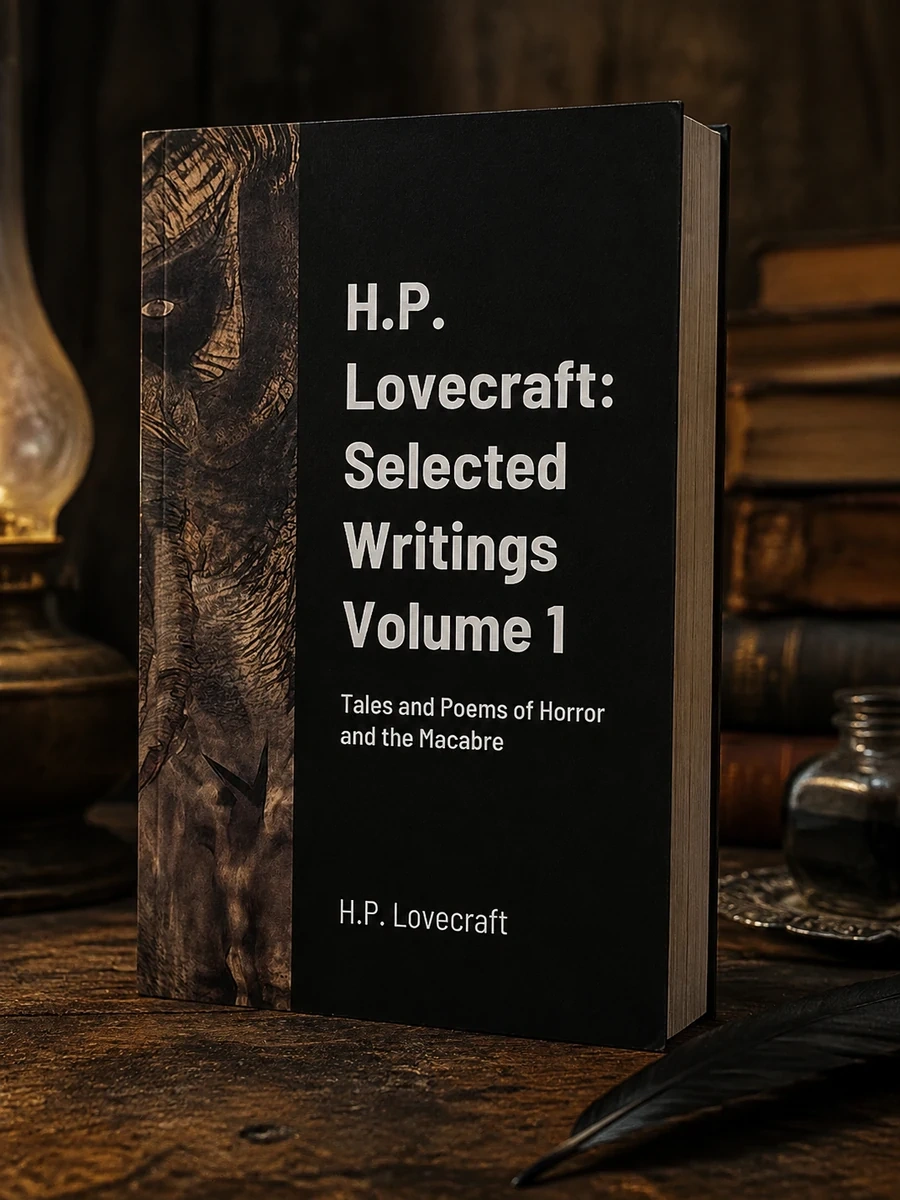
Published in 2017 by Createspace Independent Publishing Platform, this edition preserves Lovecraft's original work. The author is a central figure in the Cthulhu Mythos, incorporating Philistine deity Dagon into his cosmic horror framework. The text reflects early twentieth century American gothic traditions and supernatural fiction conventions.


📝 Description: The Shadow Over Innsmouth
💎 Our verdict on The Shadow Over Innsmouth
📖 Why choose it
Why this book is worth reading
Readers seeking atmospheric dread and psychological terror rather than conventional action will find this narrative deeply rewarding. It is ideal for enthusiasts of cosmic horror who appreciate the exploration of hereditary curses and isolation within a decaying community. Fans of the Cthulhu Mythos will recognize this as a foundational text that established enduring supernatural fiction tropes. Those interested in American gothic literature will gain insight into how Lovecraft critiques societal decay through his unique lens. The story offers an authentic experience of early twentieth-century weird fiction, immersing the audience in growing unease and moral ambiguity without relying on sensationalism.
⭐ Reader reviews
Reader rating
Lovecraft excels here by utilizing a first-person perspective to immerse readers in the protagonist's escalating unease, mirroring the moral decay of the coastal setting. The narrative effectively conveys psychological horror through atmospheric dread rather than explicit action, creating a sense of inevitable doom. This approach suits readers who prefer subtle, creeping terror over jump scares or gore. The examination of hybrid races and ancient deities provides rich thematic depth regarding isolation and hidden histories. While the vocabulary may feel archaic to modern audiences, it preserves the authentic voice of early weird fiction. It remains a significant text for understanding the evolution of supernatural horror and the development of cosmic themes in literary tradition.