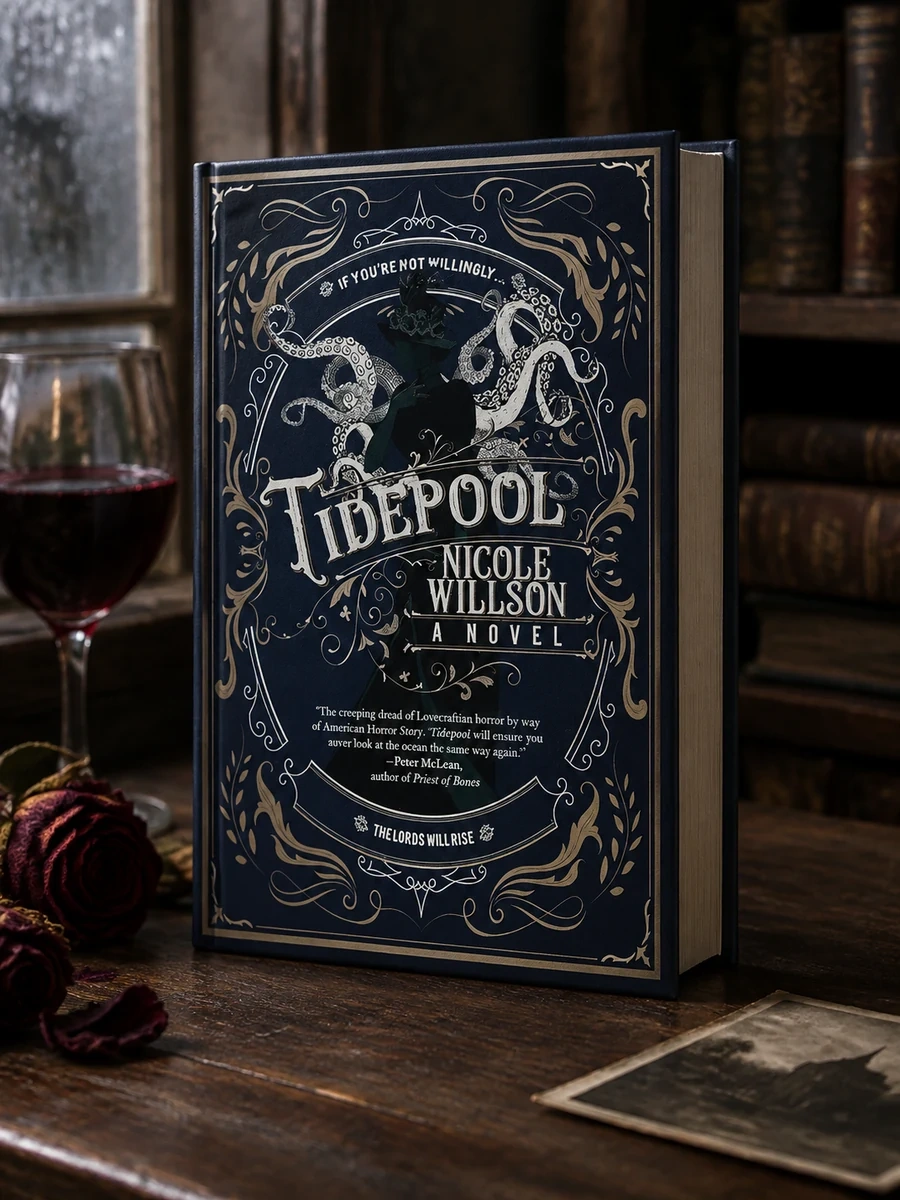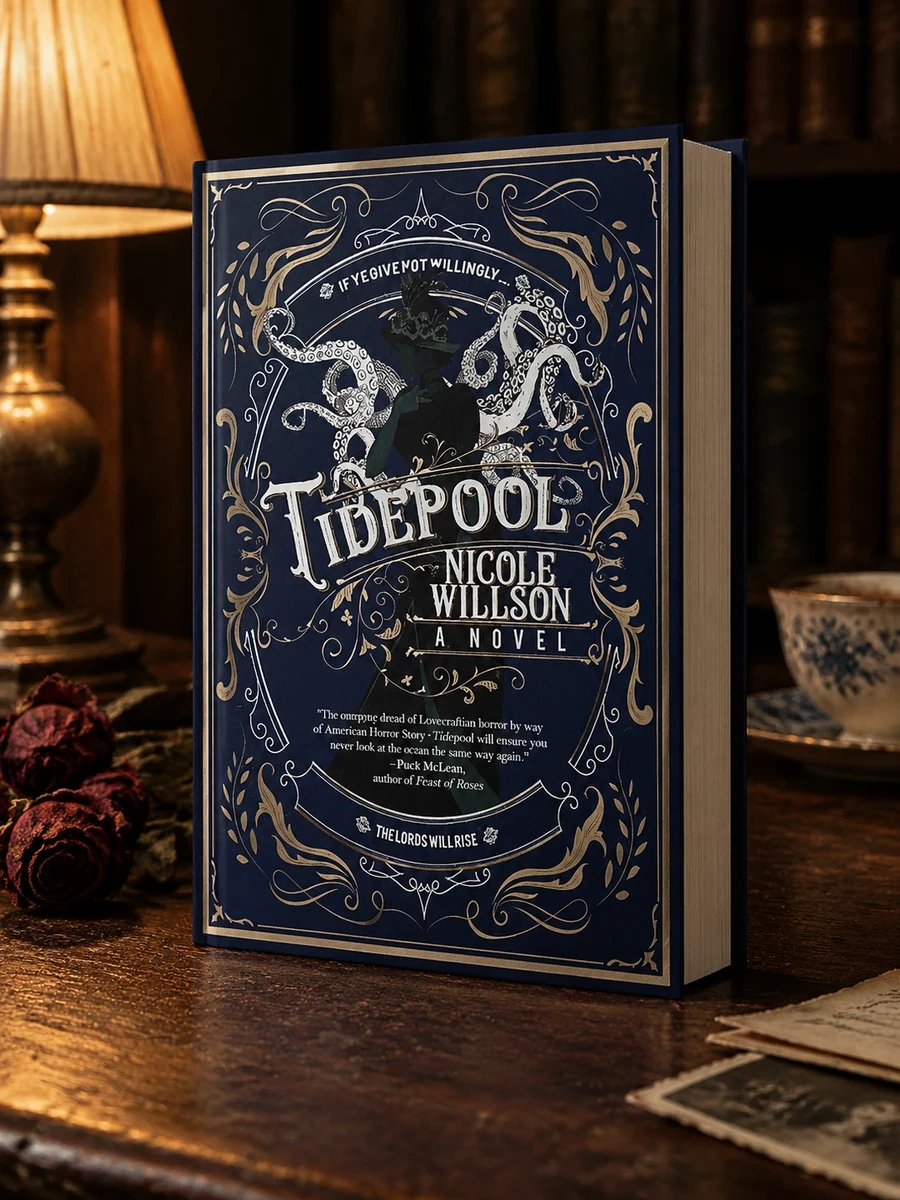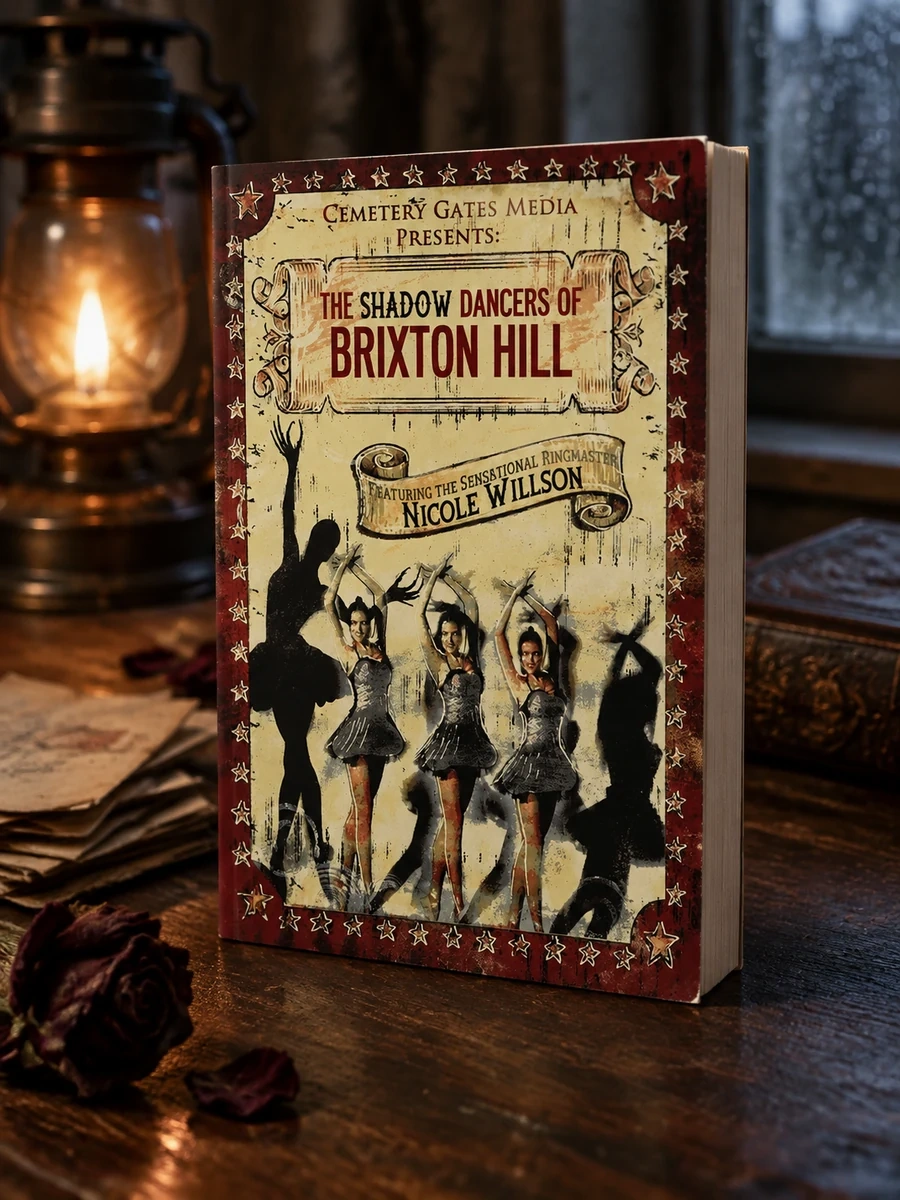
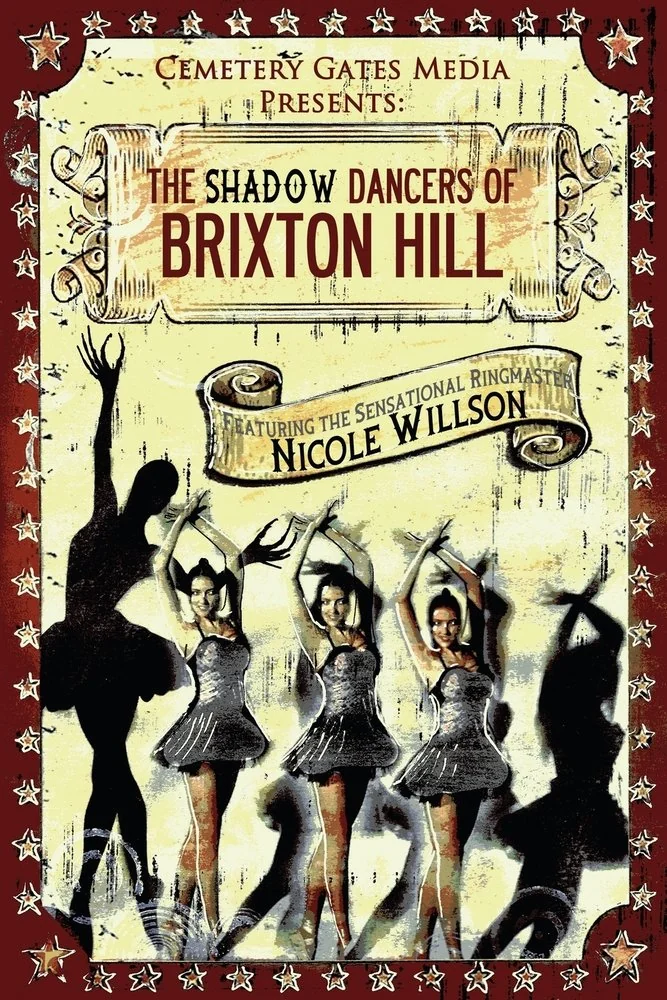
The Shadow Dancers of Brixton Hill
A 1937 circus scout discovers dancers with independent shadows in Brixton Hill.
This narrative centers on Kate Montgomery, an American woman seeking new acts for a struggling circus. She arrives in Brixton Hill where Lewis Oswald presents the Shadow Dancers. These performers exhibit supernatural abilities that defy normal physics. The plot explores the ethical dilemmas faced by those who profit from such talents. Kate's desire to rescue the girls clashes with the reality of their situation. The story highlights the grim atmosphere of the era and the desperation of the entertainment industry. It does not offer easy solutions for its characters.
The story is set in 1937 during the Great Depression. It reflects the decline of American circuses as they compete with movie theaters. The setting is the small town of Brixton Hill. This period marks a shift in entertainment consumption and financial struggle for traditional performers.


📝 Description: The Shadow Dancers of Brixton Hill
💎 Our verdict on The Shadow Dancers of Brixton Hill
📖 Why choose it
Why this book is worth reading
Readers interested in gothic fiction and psychological horror will find this book compelling due to its exploration of ethical dilemmas within the entertainment industry. The narrative offers a unique perspective on the desperation of performers during the Great Depression, focusing on Kate Montgomery's struggle between moral responsibility and artistic ambition. Those who appreciate slow-burn tension over fast-paced action will enjoy the atmospheric depiction of Brixton Hill and the eerie phenomenon of independent shadows. It is ideal for audiences seeking historical context blended with supernatural elements, examining how economic pressures drive exploitation. The story does not offer easy solutions, providing a realistic and grim look at the costs of survival in a struggling world.
⭐ Reader reviews
Reader rating
Nicole Willson crafts a tense atmosphere by grounding supernatural horror in the harsh realities of 1930s poverty. The concept of dancers with independent shadows serves as a potent metaphor for exploitation, making the horror feel earned rather than gratuitous. The narrative excels in characterizing Kate’s internal conflict, balancing her desire to rescue others against her own survival instincts. This approach suits readers who prefer literary depth and moral ambiguity over simple scares. While it may not appeal to those seeking modern settings or rapid plot progression, its strength lies in the slow unraveling of ethical boundaries under financial strain. The book effectively merges historical fiction with cosmic horror undertones.