
The Secret Skin
A sawmill gothic tale of family betrayal at a decaying estate.
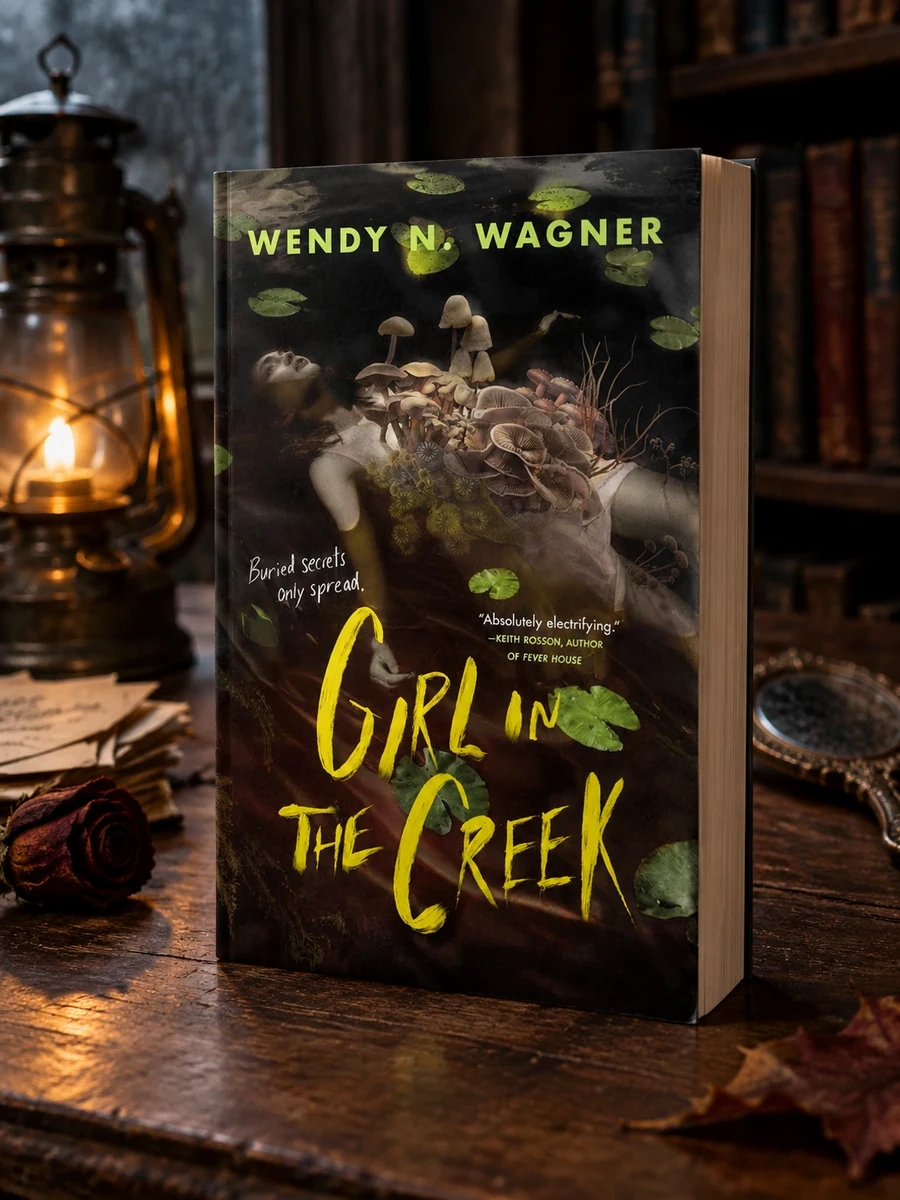
Wagner examines the corrosive nature of family secrets through the lens of June Vogel’s return to Storm Break. The setting functions as a character in its own right, reflecting the internal decay of the inhabitants. When the brother brings his new spouse into this toxic environment, old wounds reopen and new deceptions take root. The narrative focuses on the psychological unraveling of the characters rather than external threats. Wagner uses the gothic tradition to explore how past sins dictate present realities. The story does not offer easy answers or clear villains. Instead, it presents a claustrophobic atmosphere where trust is impossible and every interaction carries the weight of hidden agendas. The prose emphasizes the sensory details of the estate and the emotional toll on June.
Published by Neon Hemlock in 2021, this work sits within the contemporary resurgence of gothic fiction. It draws on the sawmill gothic tradition to explore American rural decay and familial dysfunction. The setting of Storm Break reflects a specific regional history tied to industrial decline and inherited wealth.


📝 Description: The Secret Skin
💎 Our verdict on The Secret Skin
📖 Why choose it
Why this book is worth reading
Readers who appreciate slow-burn horror and complex family dynamics will find much to engage with here. This book suits fans of gothic fiction who enjoy exploring themes of inheritance, loyalty, and the hidden costs of returning home. It is a story about the skin we wear and the truths we bury. Those seeking fast-paced action or clear resolutions may feel frustrated by the lingering ambiguity. The narrative focuses on the psychological unraveling of the characters rather than external threats, making it ideal for those who enjoy dissecting the corrosive nature of family secrets through atmospheric storytelling.
⭐ Reader reviews
Reader rating
Wagner excels at crafting a claustrophobic atmosphere where trust is impossible and every interaction carries the weight of hidden agendas. The prose emphasizes sensory details of the decaying estate, effectively reflecting the internal decay of its inhabitants. By focusing on psychological unraveling rather than clear villains, the narrative presents a nuanced exploration of how past sins dictate present realities. The book does not offer easy answers, instead demanding patience from its audience. It is best suited for readers who value intricate character studies and thematic depth over plot-driven action. For those willing to immerse themselves in a toxic environment, the emotional toll on the protagonist provides a compelling, if unsettling, journey through inherited trauma.