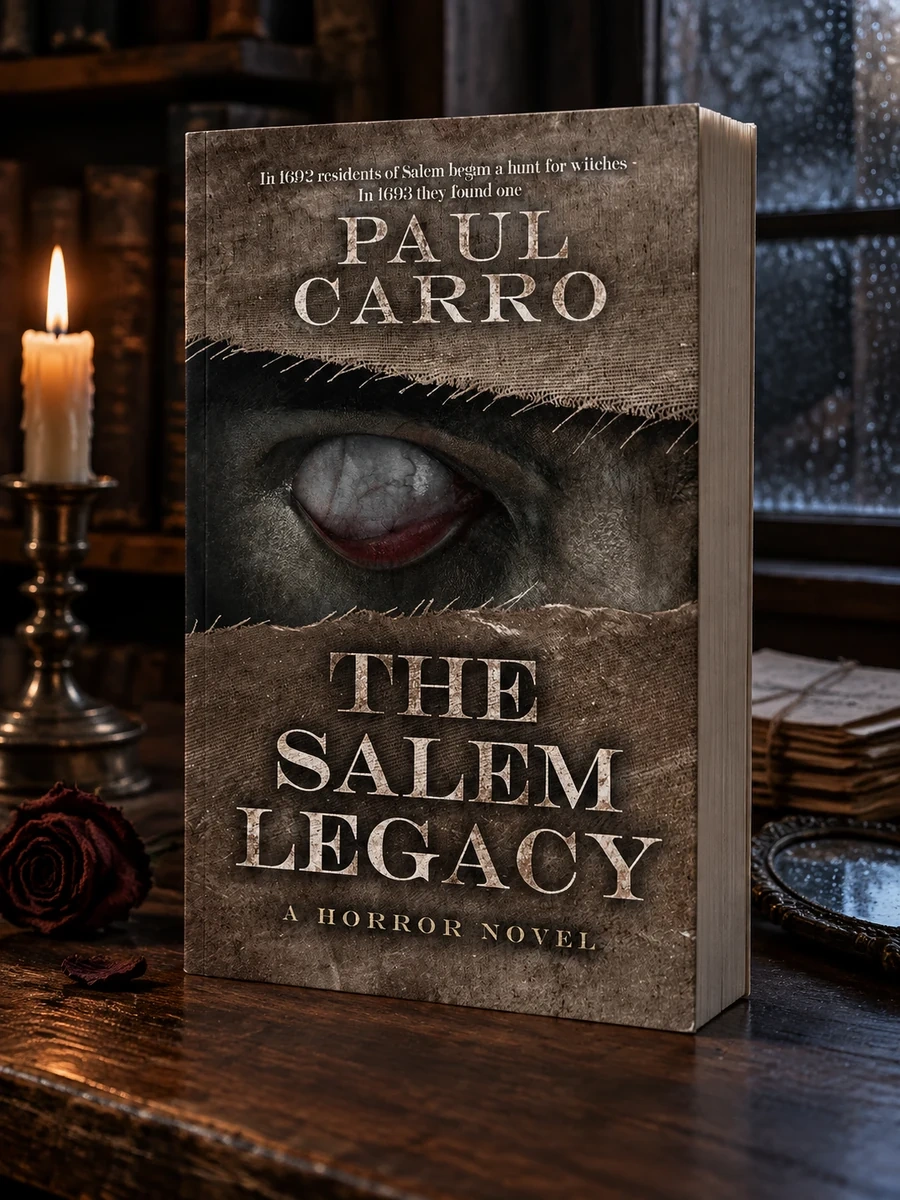
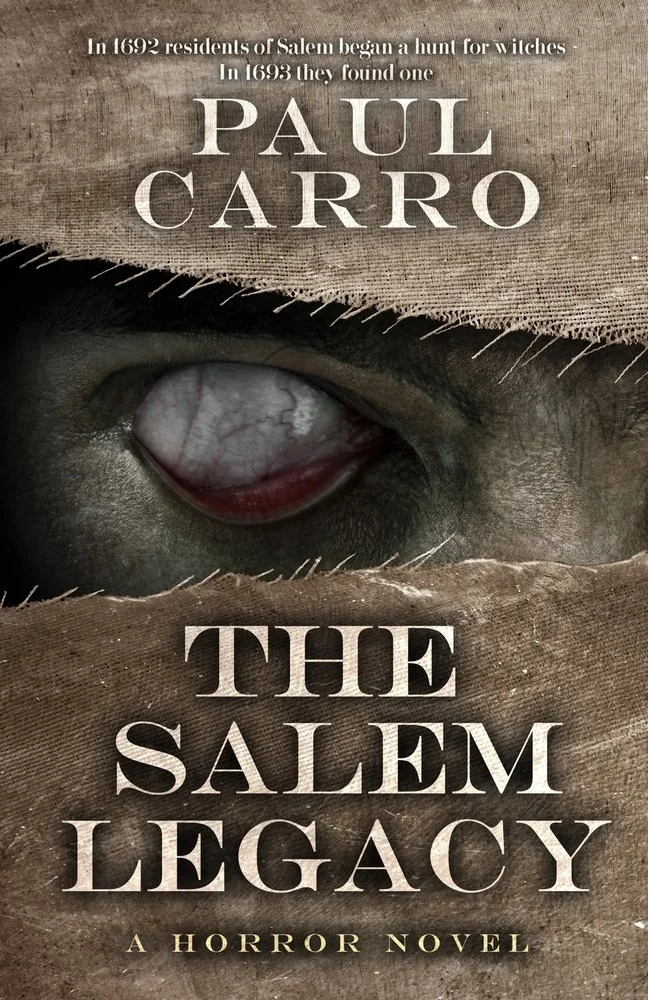
The Salem Legacy
A modern woman inherits a Salem deed and uncovers dark family secrets tied to the 1692 witch trials.
Linda Hunt’s life changes when she receives a deed to a house in Salem and an antiquated key. She travels to the infamous town with friends and a local historian to trace her lineage. The investigation reveals that the 1693 executions stopped for unknown reasons. Linda learns that witches were created by circumstances rather than born. The group faces terror as they pull at threads of the past. The narrative connects the California coast setting with the Massachusetts history. It examines why friends turned on friends during those years. The story implies that uncovering truth has a heavy price. Carro uses the specific timeframe of 1692 to 1693 to ground the supernatural elements in historical tragedy.
The book connects the 1692-1693 Salem executions with a modern California setting. It uses the specific history of innocent women hanged under mysterious circumstances to drive the plot. The narrative relies on the legacy of that tragic period in American history.


📝 Description: The Salem Legacy
💎 Our verdict on The Salem Legacy
📖 Why choose it
Why this book is worth reading
Readers who appreciate horror fiction grounded in historical tragedy will find this narrative compelling. It bridges the gap between modern psychological dread and the specific timeframe of 1692 to 1693, offering a deep dive into why crowds cheered for executions. The story examines how witches were created by circumstances rather than born, appealing to those interested in the mechanics of fear and lineage. Those seeking lighthearted romance should look elsewhere, as this title implies that uncovering truth carries a heavy price. It is ideal for audiences who enjoy supernatural elements tied to American gothic history and the investigation of dark family secrets.
⭐ Reader reviews
Reader rating
Paul Carro effectively weaves a narrative connecting the California coast with Massachusetts history through the lens of inherited guilt. The book succeeds in exploring why neighbors turned against one another during the witch trials, using the specific timeframe of 1692 to 1693 to ground its supernatural elements in historical tragedy. By revealing that witches were made by circumstances, it offers a chilling commentary on societal fear. The investigation into why executions stopped adds mystery without resolving it, maintaining tension. This title is best suited for readers who enjoy supernatural fiction with roots in American gothic history. It avoids lighthearted tones, focusing instead on the unspeakable terror awakened by pulling at threads of the past.