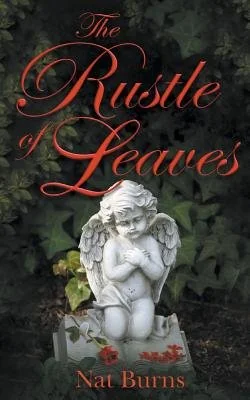
The Rustle of Leaves
A new sheriff investigates sinister deaths in a small town with skepticism from her community.
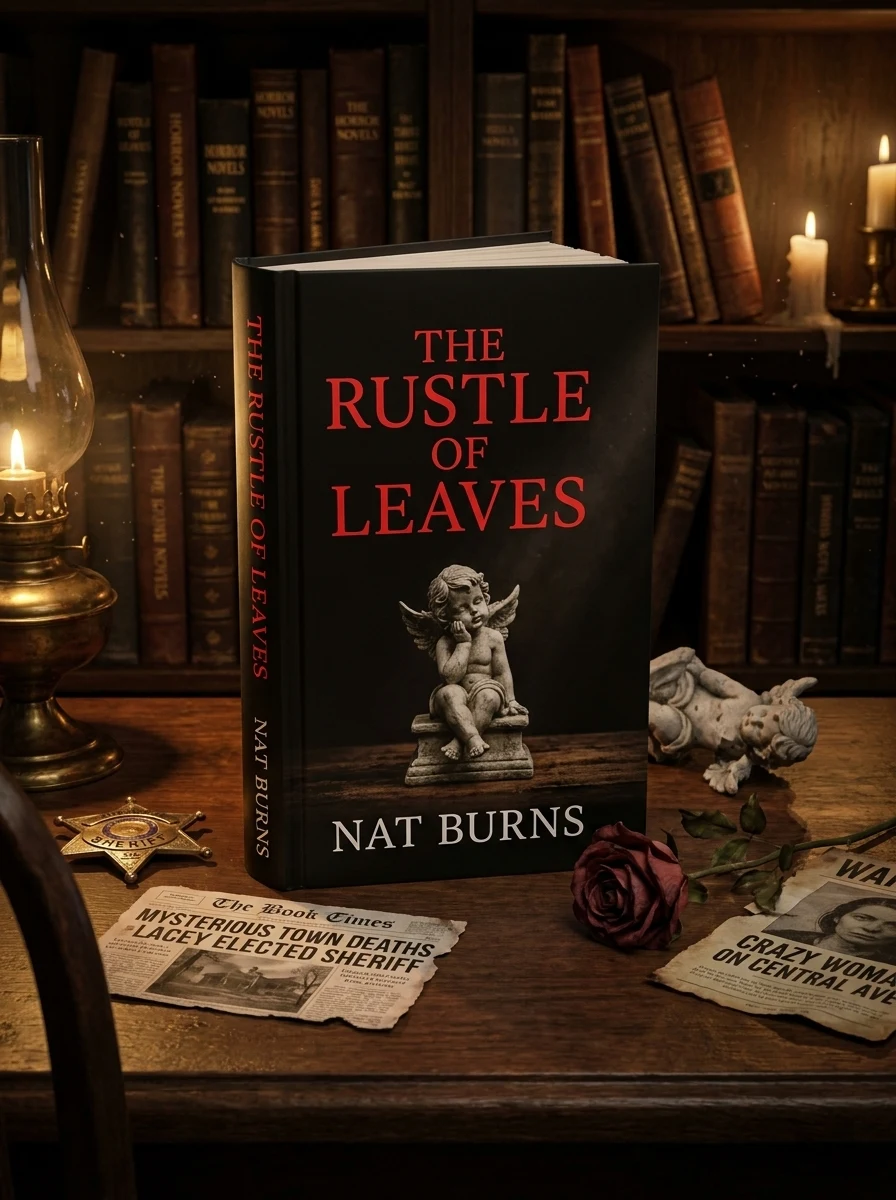
The narrative centers on Lacey, the newly elected sheriff of Queens Lot, who faces immediate distrust from her constituents. She identifies a troubling pattern of deaths that she believes are not natural but rather sinister acts. Without concrete evidence or known suspects, she is dismissed as hysterical by most residents. Her isolation deepens when personal losses mount, pushing her toward despair. The plot shifts dramatically with the discovery of a naked woman walking down Central Avenue. This incident forces Lacey to confront the reality of the threat she has been ignoring. The story examines how authority figures are undermined by public opinion and fear. It highlights the struggle between intuition and the lack of tangible proof in criminal investigations.
The book was published by Desert Palm Press in 2017. It sits within the contemporary horror genre, specifically targeting readers interested in supernatural fiction and gothic themes. The setting of Queens Lot provides a backdrop for exploring rural American anxieties about community safety and trust.


📝 Description: The Rustle of Leaves
💎 Our verdict on The Rustle of Leaves
📖 Why choose it
Why this book is worth reading
Readers who appreciate character-driven tension over complex plotting will find this book rewarding. It appeals to those interested in the psychological strain of authority figures undermined by public fear and skepticism. Fans of gothic traditions that focus on isolation and emotional stakes alongside horror elements will enjoy the narrative. It is ideal for audiences willing to engage with a grim, unresolved exploration of belief versus evidence in small-town dynamics.
⭐ Reader reviews
Reader rating
Nat Burns effectively shifts from romance to darker territory, crafting a compelling portrait of Sheriff Lacey’s isolation in Queens Lot. The novel excels in building atmospheric dread through the protagonist's struggle against community dismissal and personal despair. While the lack of concrete evidence may frustrate readers seeking clear resolutions, the emotional intensity remains high. The story suits those who enjoy slow-burn psychological horror with supernatural undertones. It offers a nuanced look at how intuition clashes with tangible proof, making it a thoughtful addition to the gothic mystery genre for patience-oriented horror enthusiasts.
You might also like
See more →







Have a question about this item?
Ask about the edition, condition, delivery or anything else — we reply by email or phone, usually within a day.
