The Room That Remembers Pain
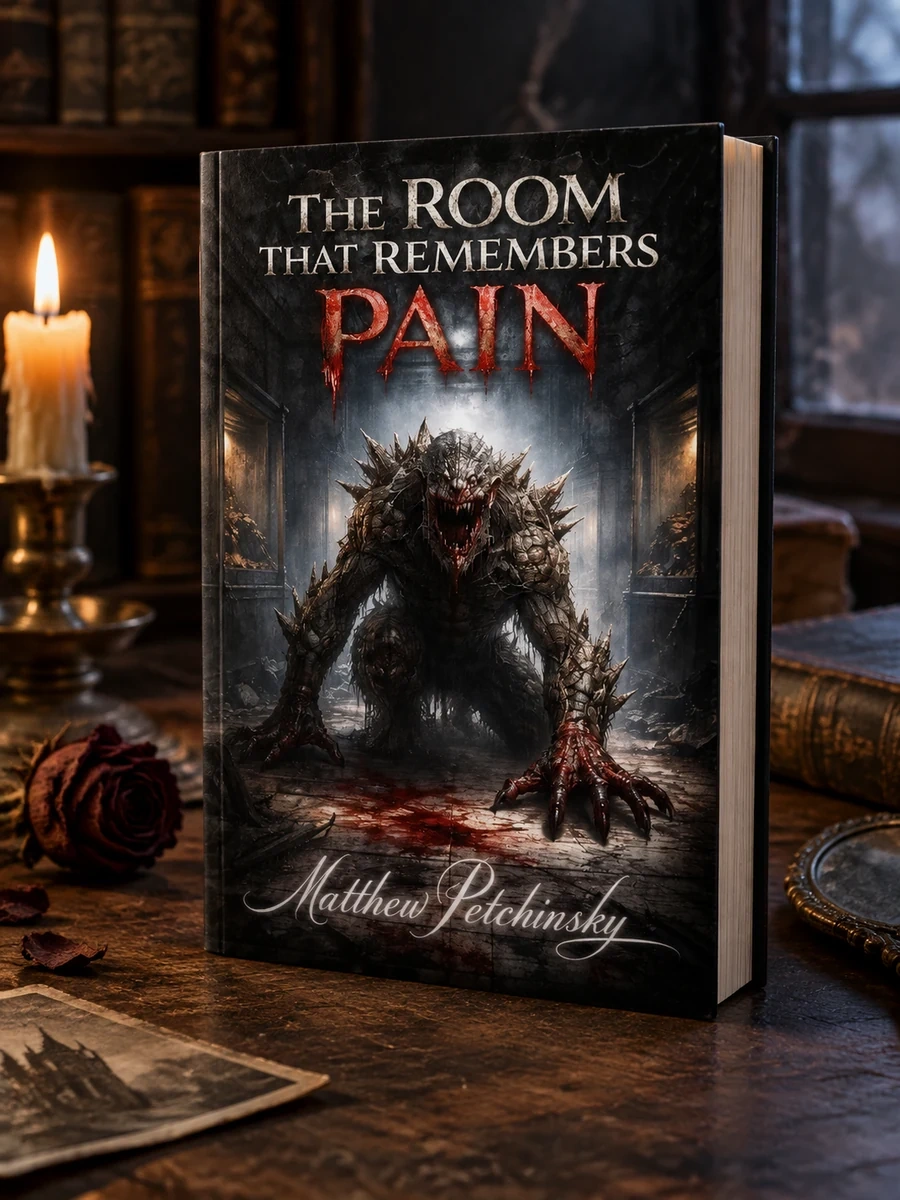
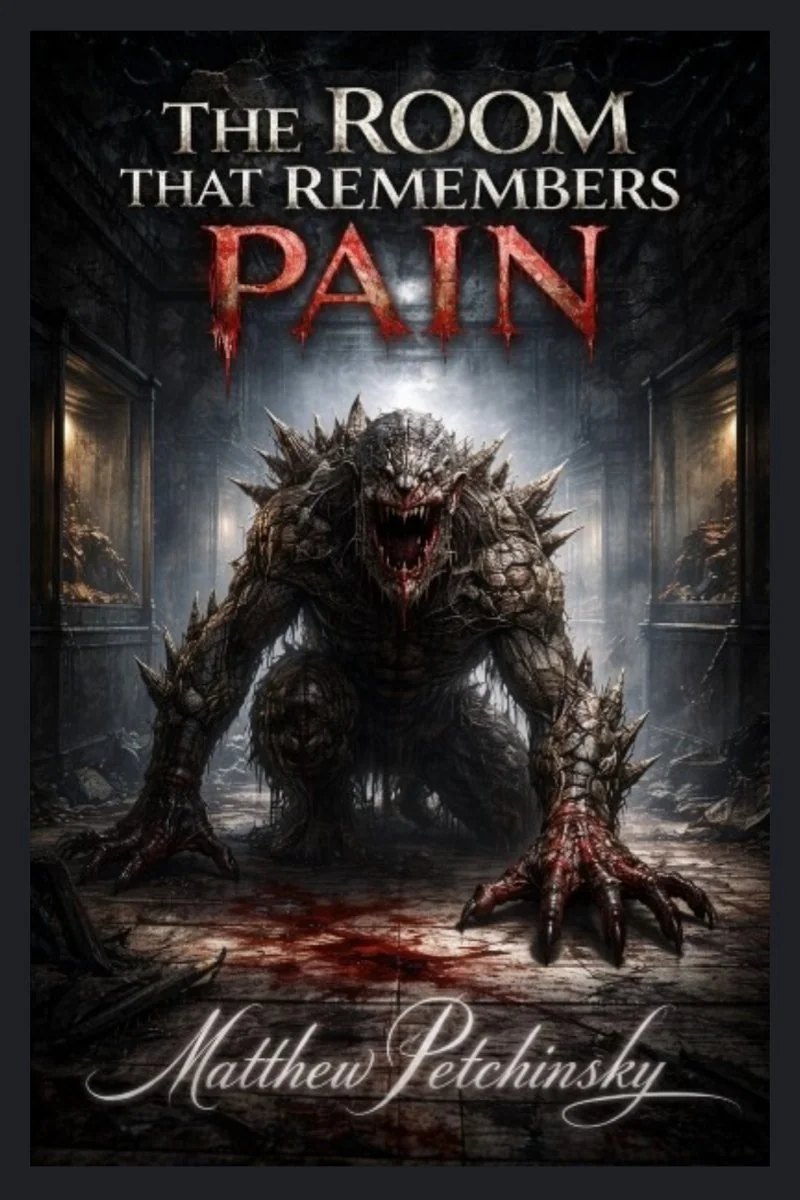
A museum in Briar Hollow archives trauma through a sentient limestone cryptid.
Petchinsky explores how institutions can weaponize human suffering. The Thorned Witness acts as a physical manifestation of accumulated pain within the Briar Hollow Museum of the Unseen. Rowan and Maeve face a threat that feeds on unresolved emotional wounds. Clay’s failed attempts to manage the situation highlight the futility of ignoring trauma. The story examines the permanence of memory and the danger of suppressing personal history. It offers a chilling look at how fear can shape physical reality and architectural spaces.
This work sits within the tradition of American horror fiction, specifically drawing on gothic elements and supernatural themes. It engages with the concept of haunted buildings where the structure itself becomes a repository for human emotion and memory.


📝 Description: The Room That Remembers Pain
💎 Our verdict on The Room That Remembers Pain
📖 Why choose it
Why this book is worth reading
Readers who appreciate atmospheric dread and psychological depth will find this narrative compelling. It appeals to those interested in how fear shapes physical reality and architectural spaces. The book offers a chilling examination of suppressed personal history and the permanence of memory. Individuals who enjoy horror that focuses on internal trauma rather than external action will benefit from its thematic richness. It is ideal for fans of gothic traditions where supernatural entities embody emotional wounds. Those seeking a slow-burn mystery involving institutional weaponization of suffering will find it resonant.
⭐ Reader reviews
Reader rating
Petchinsky delivers a sophisticated exploration of architectural dread, transforming the museum into a sentient archive of human pain. The Thorned Witness serves as a potent symbol of hardened trauma, effectively bridging cosmic horror with psychological introspection. The narrative excels in depicting how institutions can exploit unresolved wounds, creating a sense of pervasive unease rather than relying on cheap shocks. This approach suits readers who prefer intellectual engagement over fast-paced action. While it may disappoint those seeking traditional jump scares, it rewards patience with a deep look at the futility of ignoring personal history. The prose maintains a chilling tone throughout.