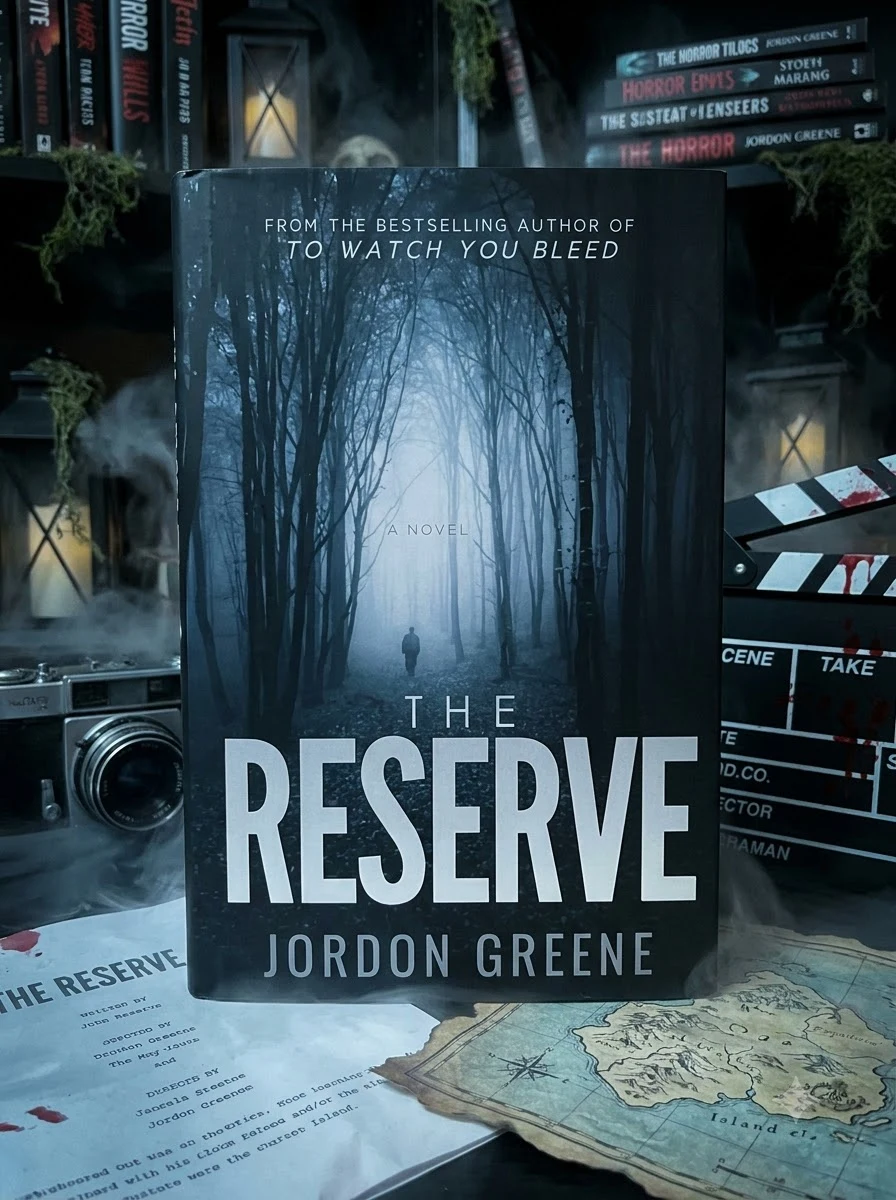
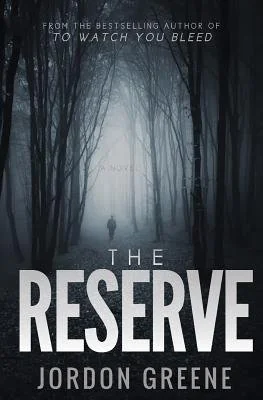
The Reserve
A film crew shoots on a forbidden island, turning a dream job into a nightmare.
Cooper Bay pursues his lifelong ambition to act by accepting a role in a production filming on an inaccessible island. The restriction of the location adds a layer of unease before any supernatural events occur. As the cast and crew work, the situation deteriorates rapidly. Violence erupts, and Cooper finds himself trapped in a scenario that mirrors the worst horror stories he might have studied. The narrative emphasizes his regret over signing the contract. Greene uses this premise to explore the cost of ambition when faced with genuine evil. The story does not offer easy escapes or happy endings for its protagonist. It remains focused on the immediate experience of fear and the loss of control. The isolation of the island serves as a catalyst for the unfolding tragedy. Readers will follow Cooper’s realization that some opportunities are traps.
This work sits within the American horror fiction market, published by Franklin/Kerr Press in 2018. It appeals to fans of gothic and supernatural tales who enjoy stories about forbidden locations and the consequences of ignoring warnings.


📝 Description: The Reserve
💎 Our verdict on The Reserve
📖 Why choose it
Why this book is worth reading
Readers seeking intense, atmospheric dread will find this narrative compelling. It appeals to those who appreciate the deconstruction of artistic ambition when confronted with genuine, inescapable terror. The book offers a focused exploration of regret and loss of control, ideal for audiences tired of easy escapes or happy endings. Fans of confined-space horror and stories where professional dreams turn into nightmares will engage deeply with Cooper’s descent. It serves as a stark reminder that some opportunities are traps, delivering immediate fear rather than complex romance or lighthearted entertainment.
⭐ Reader reviews
Reader rating
Greene delivers a tightly wound tale of dread, effectively leveraging the isolation of a forbidden island to amplify tension. The narrative succeeds in portraying the collapse of ambition under mortal pressure, maintaining a relentless focus on Cooper’s psychological unraveling. By stripping away safety nets and professional pretenses, the story creates a visceral sense of entrapment. It suits readers who prefer horror rooted in immediate physical threat and psychological regret over supernatural lore or complex subplots. The tone remains consistently grim, offering no respite from the escalating violence. This is a potent entry for fans of doomed productions and confined-space terror.