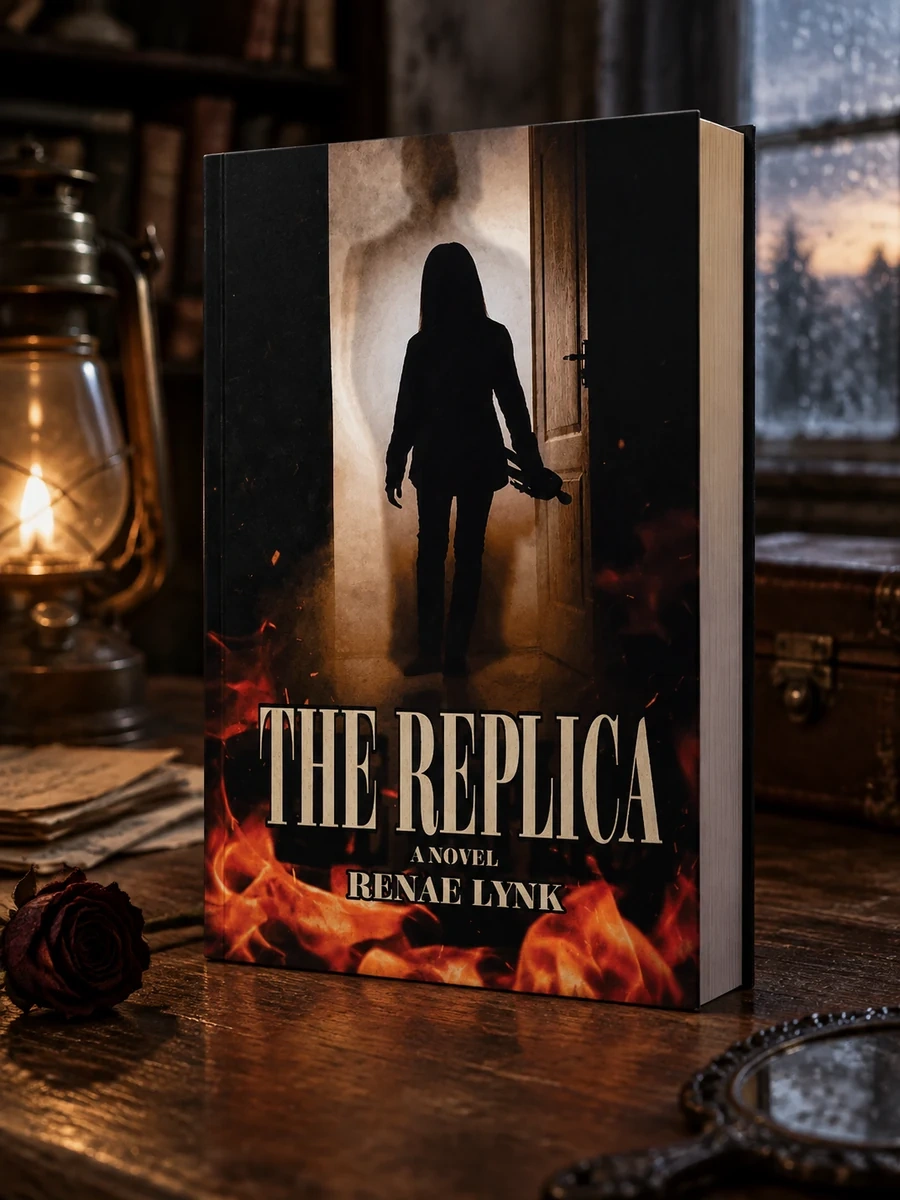
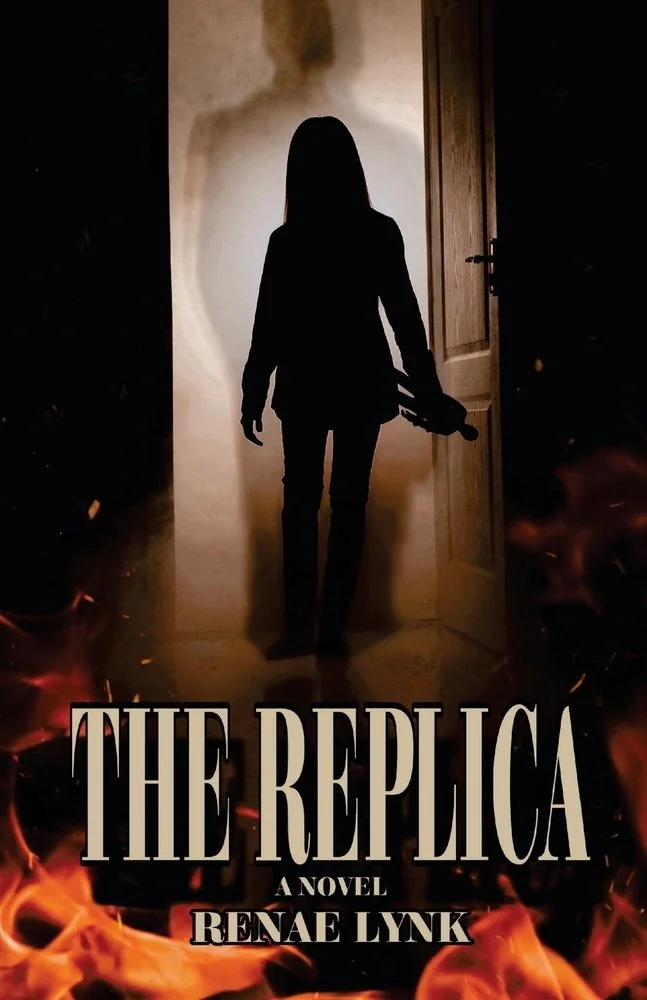
The Replica
A novel about grief and a house that consumes its inhabitants.
The story centers on Maren Caplin and his daughter Lily after the death of Maren's wife. Their new home absorbs Lily, causing her to slip away from her father. Shadows in the house reflect hidden truths, making their faces unrecognizable. The narrative tangles the present with the past, suggesting that reality is fragile. Lynk writes about the fear of losing oneself and loved ones to an unseen force. The plot does not rely on jump scares but on the dread of what lies beneath. The basement represents a depth that threatens to take another soul. This work appeals to readers who enjoy atmospheric horror over action. It suits those who prefer character-driven narratives where the setting is a active antagonist.
Published in 2024 by Renae Lynk, this work sits within the contemporary horror genre. It draws on gothic traditions of haunted houses and psychological terror. The text reflects modern anxieties about family dynamics and mental health.


📝 Description: The Replica
💎 Our verdict on The Replica
📖 Why choose it
Why this book is worth reading
Readers who prioritize atmospheric tension and character-driven narratives over action or jump scares will find this book deeply rewarding. It is ideal for those interested in the psychological erosion of identity and the corrosive nature of grief. The novel appeals to individuals who appreciate slow-burn horror where the setting actively participates in the disintegration of the protagonists. Those who enjoy exploring themes of hidden truths, unrecognizable faces, and the fragility of reality will gain insight into how loneliness acts as a parasite. It offers a study of familial disintegration without relying on sensationalism, providing a steady, inevitable decline that resonates with fans of internal decay over external monsters.
⭐ Reader reviews
Reader rating
The Replica excels in crafting a pervasive sense of dread through its exploration of grief and isolation. Lynk successfully positions the house as an active antagonist, using shadows and the basement to symbolize the depth of psychological collapse. The narrative effectively tangles present and past, highlighting the erosion of self and hidden identities within a family structure. While it may disappoint those seeking traditional ghost stories or quick thrills, it offers profound value for readers who appreciate atmospheric horror. The focus on internal decay and the blurring lines between reality and shadow creates a compelling, if unsettling, experience. It is a strong choice for those who favor character-driven plots where the environment reflects internal trauma, delivering a slow-burn terror that lingers long after the final page.
You might also like
See more →







Have a question about this item?
Ask about the edition, condition, delivery or anything else — we reply by email or phone, usually within a day.
