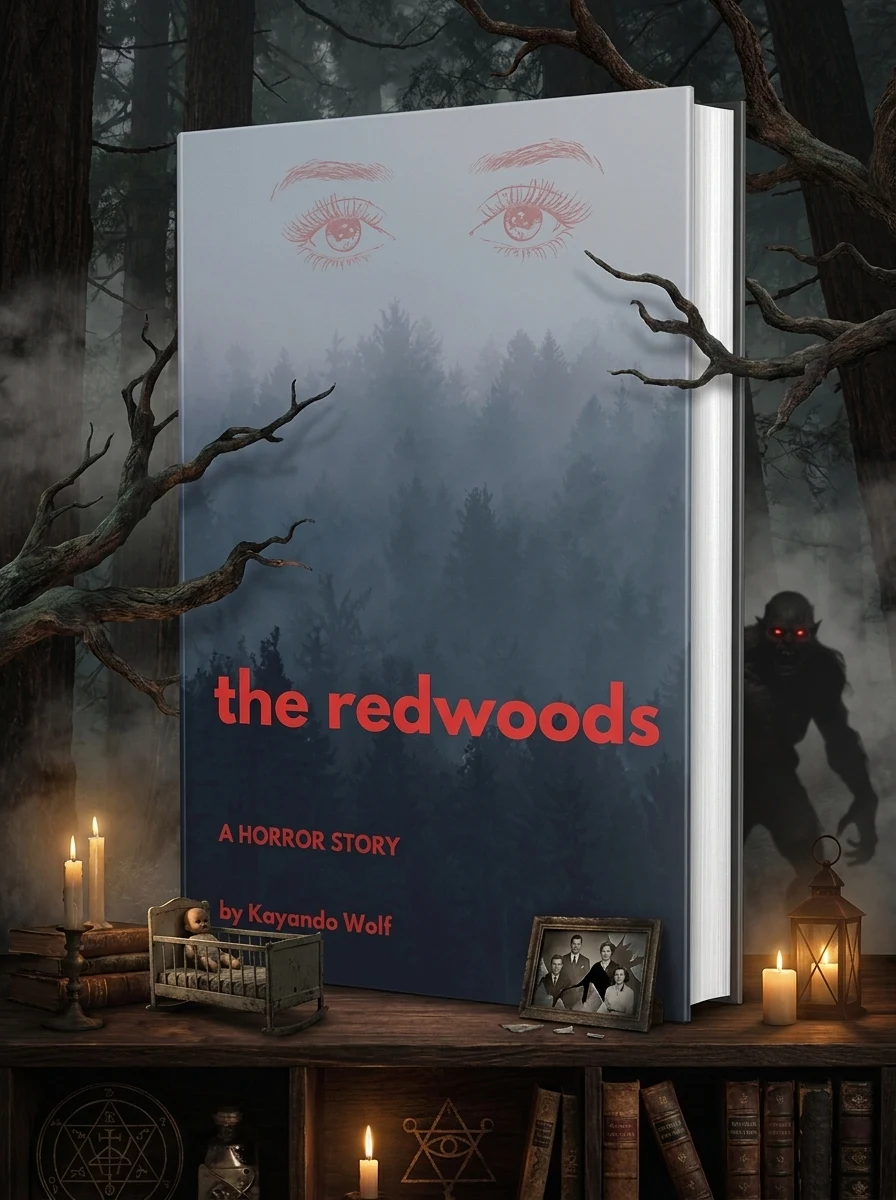
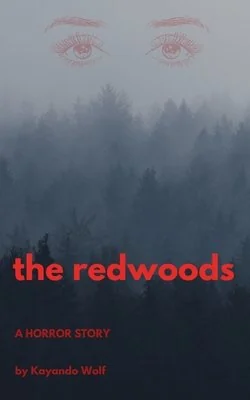
The Redwoods
A demon trapped in redwoods seeks a human vessel to reach a target child.
The core conflict involves a nameless demon bound to a redwood forest who targets Sherpa Wintuk. He cannot exit the woods without possessing a lonely human. The Wintuk family moves into a new home there, becoming his primary target. After they escape, he seeks any available soul to use as a vessel. The narrative explores the mechanics of possession and the limits of demonic power. Wolf uses the forest setting to create a sense of inescapable dread. The story focuses on the demon's perspective and his need for freedom.
This 2020 publication by Kayando Wolf fits within the American tradition of supernatural fiction. It draws on gothic themes of haunted homes and ancient forests. The work reflects contemporary interest in nameless entities and psychological horror rather than historical folklore.


📝 Description: The Redwoods
💎 Our verdict on The Redwoods
📖 Why choose it
Why this book is worth reading
Readers who prefer character-driven tension and psychological terror over graphic gore will find this novel deeply engaging. It offers a unique perspective by centering on the demon's desperate search for a host rather than solely focusing on the victims. The book appeals to those who enjoy exploring the mechanics of possession and the limits of demonic power within a confined, inescapable geography. Fans of gothic atmosphere will appreciate how the ancient redwood setting amplifies the sense of dread. It is ideal for audiences seeking unsettling formlessness in its antagonist and narratives that examine how isolation exploits human vulnerability without relying on clear resolutions or named villains.
⭐ Reader reviews
Reader rating
Kayando Wolf delivers a compelling study in diabolic possession, anchored by the chilling premise of a nameless entity bound to a redwood forest. The narrative excels in building an inescapable sense of dread through its focus on the demon's perspective and his need for a lonely human vessel. By omitting a specific name for the antagonist, Wolf enhances the unsettling nature of this formless manifestation of fear. The story effectively examines how isolation allows dark forces to exploit vulnerability, particularly targeting the Wintuk family. While it may frustrate readers seeking clear resolutions or traditional horror tropes, it rewards those who appreciate psychological terror and gothic atmosphere. This is a tense, atmospheric exploration of demonic limits and human fragility.
You might also like
See more →







Have a question about this item?
Ask about the edition, condition, delivery or anything else — we reply by email or phone, usually within a day.
