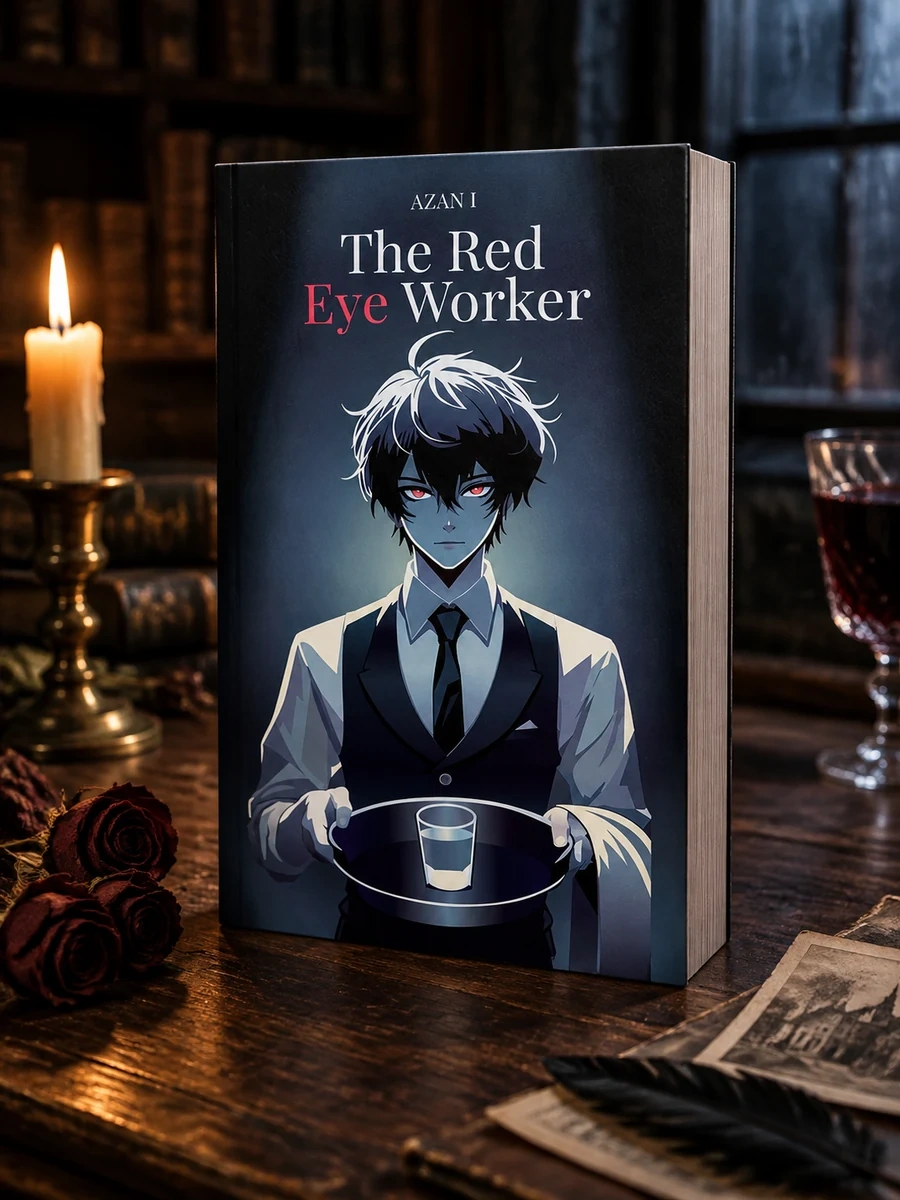

The Red Eye Worker
A child's perspective on a family trapped in a looping road and a haunted motel.
The narrative structure relies on the gradual realization that the physical world is breaking down. As the family drives, the repetition of trees signals a loss of control over their journey. The arrival at the motel shifts the threat from the environment to a specific entity. The worker with red eyes acts as a gatekeeper to a space where normal rules do not apply. The child narrator provides a raw view of terror, emphasizing the silence and the feeling of being observed. This approach creates immediate tension without requiring prior knowledge of horror tropes. The story remains tight and focused on the immediate sensory experience of dread.
The text references a 2015 setting, grounding the supernatural events in modern reality through failed GPS technology. This placement highlights contemporary anxieties about technology and isolation. The narrative style aligns with short-form horror fiction, prioritizing immediate atmosphere over extensive exposition.


📝 Description: The Red Eye Worker
💎 Our verdict on The Red Eye Worker
📖 Why choose it
Why this book is worth reading
Readers who crave immediate, intense atmospheric tension will find this narrative deeply rewarding. It is ideal for those who prefer short, focused stories that prioritize sensory dread over complex plotting or extensive world-building. The use of a child’s perspective offers a raw, unfiltered view of terror, making the horror feel more visceral and less intellectualized. This book suits audiences looking for a quick, chilling experience that relies on familiar horror tropes like looping roads and silent threats to build unease without requiring prior knowledge of specific lore. It is perfect for readers who enjoy the feeling of being watched and trapped in a hostile environment.
⭐ Reader reviews
Reader rating
The narrative excels in its claustrophobic atmosphere, effectively utilizing the breakdown of physical reality to generate dread. The child’s perspective provides a unique lens for terror, emphasizing silence and observation over gore or action. By focusing on sensory details like the red-eyed worker and whispering walls, the text creates an immediate sense of unease. It is best suited for readers who appreciate tight, direct storytelling within the cosmic and psychological horror subgenres. Those seeking extensive historical context may find it sparse, but fans of atmospheric isolation will find the experience compelling and deeply unsettling.
You might also like
See more →







Have a question about this item?
Ask about the edition, condition, delivery or anything else — we reply by email or phone, usually within a day.
