The Red Door
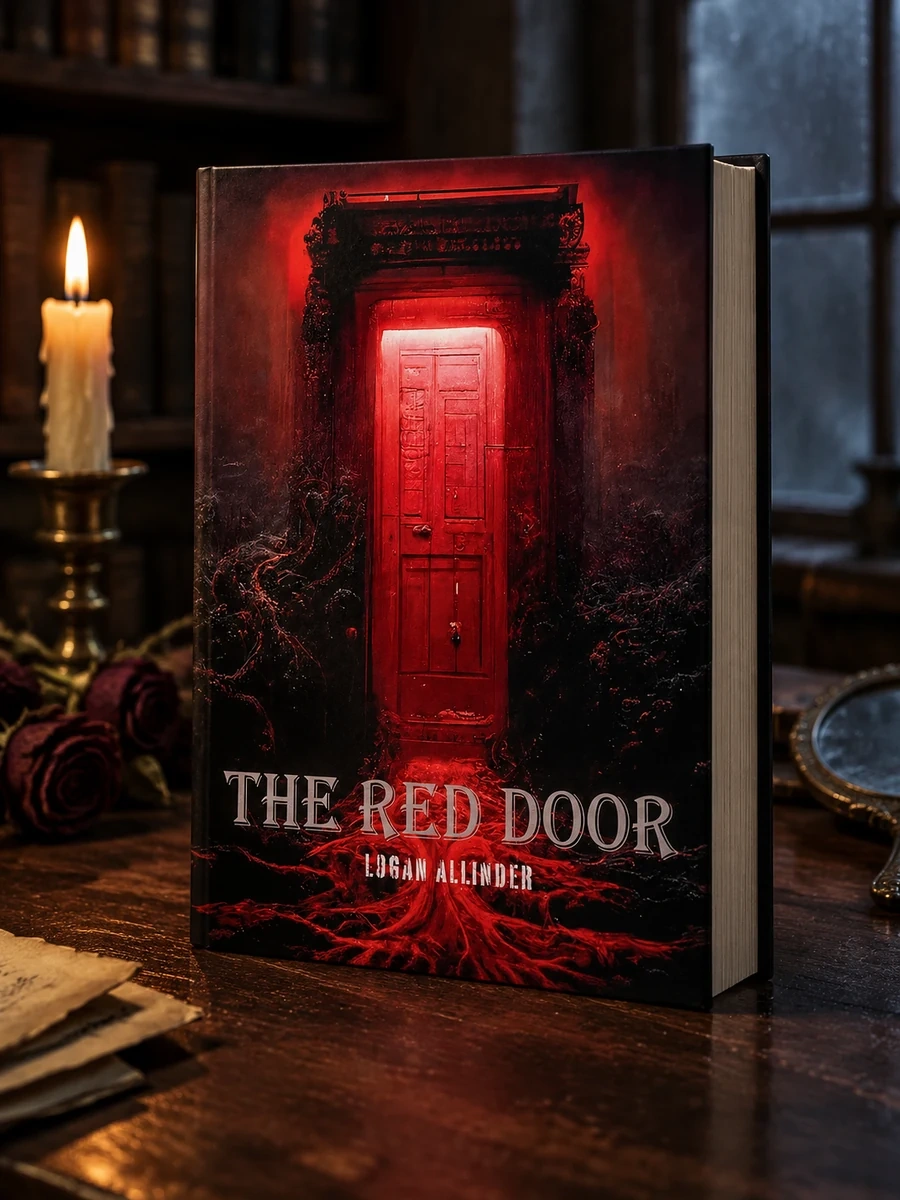
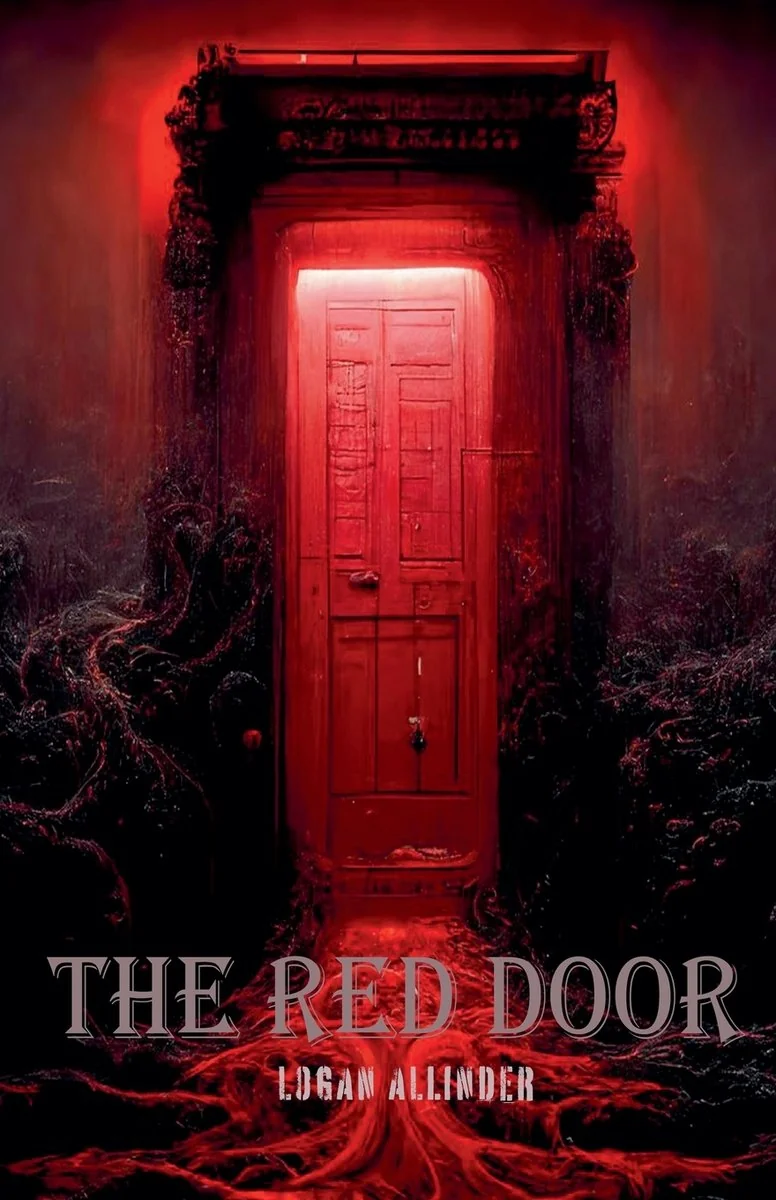
A mother and daughter confront a supernatural door linked to a missing father in a post-apocalyptic forest.
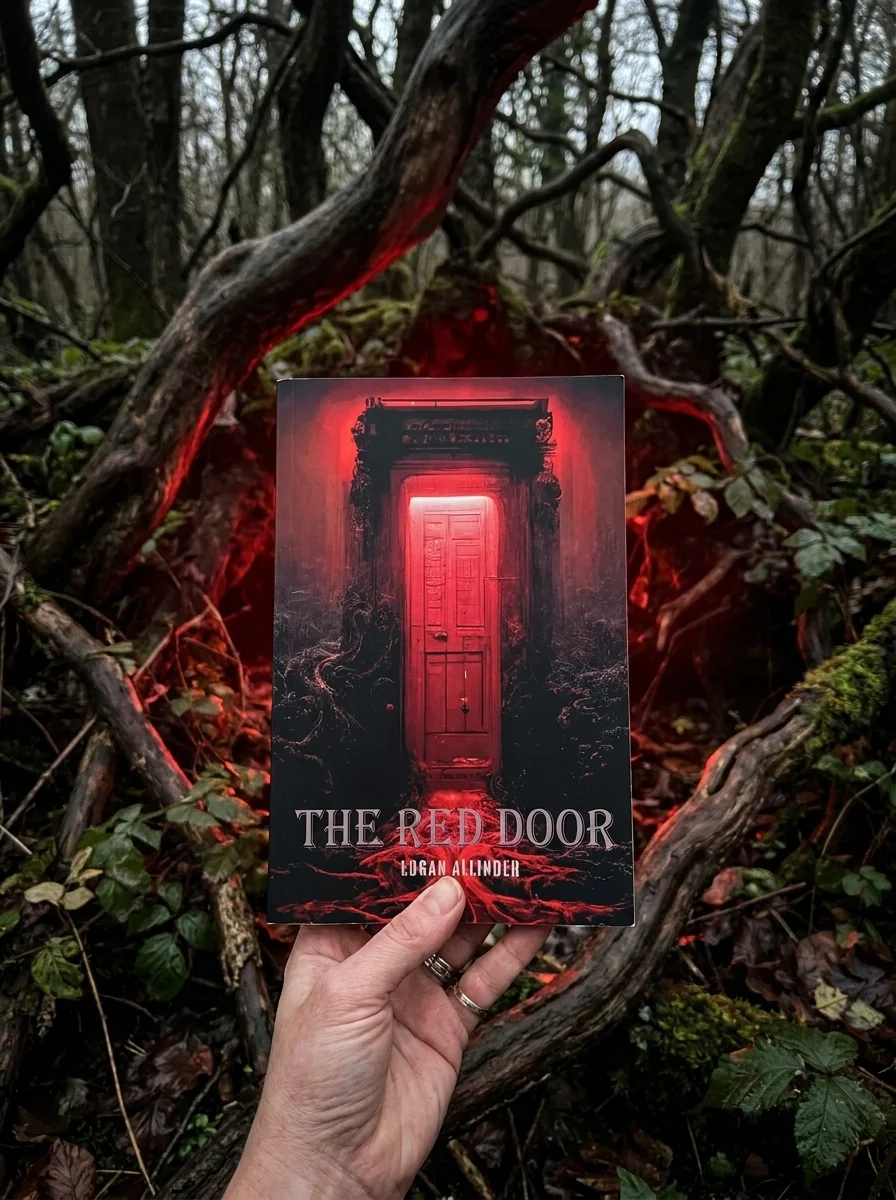
The narrative centers on Sarah and Lily as they encounter a blood-red door in a forest of twisted roots. This object calls to them with the voices of the dead, revealing a link to Sarah's absent father. The story explores the lingering effects of The Great Silence, which erased four billion people. Allinder uses this backdrop to examine grief and the supernatural. The plot avoids traditional horror tropes of jump scares, focusing instead on psychological unease. The connection between the door and the father is central to the mystery. The book does not provide closure for the characters' trauma.
Set thirty-five years after a global event that killed billions, the story reflects on loss and survival. It draws on gothic horror traditions to explore family secrets and supernatural threats in a desolate landscape.


📝 Description: The Red Door
💎 Our verdict on The Red Door
📖 Why choose it
Why this book is worth reading
Readers seeking an immersive experience of atmospheric dread and psychological unease will find this narrative compelling. It appeals to those interested in the lingering effects of global catastrophes and the haunting nature of memory rather than traditional jump scares. The book offers a deep dive into grief and family secrets, providing a slow-burn tension that rewards patience. Those who appreciate ambiguous endings and unresolved trauma as reflections of the human condition will find value here. It is ideal for fans of dark fantasy and cosmic horror who prefer mood over action. The story examines how the past persists in desolate landscapes, making it suitable for contemplative readers who enjoy exploring the intersection of supernatural elements and emotional weight without seeking easy redemption or clear resolutions.
⭐ Reader reviews
Reader rating
Allinder constructs a tale rooted in gothic traditions, utilizing a post-apocalyptic backdrop to examine grief with precision. The narrative avoids conventional horror tropes, focusing instead on the psychological unease generated by the mysterious red door and its connection to the missing father. This approach creates a palpable sense of dread that lingers long after the voices of the dead fade. The book suits readers who enjoy atmospheric terror and complex family dynamics over fast-paced action. While the pacing is deliberate and the ending ambiguous, this serves the theme of unresolved trauma effectively. It is a strong recommendation for those interested in the aftermath of global silence and the eerie power of memory.
You might also like
See more →







Have a question about this item?
Ask about the edition, condition, delivery or anything else — we reply by email or phone, usually within a day.
