

The Red Badge of Courage
A novel about a Union soldier's flight from battle and quest for redemption.
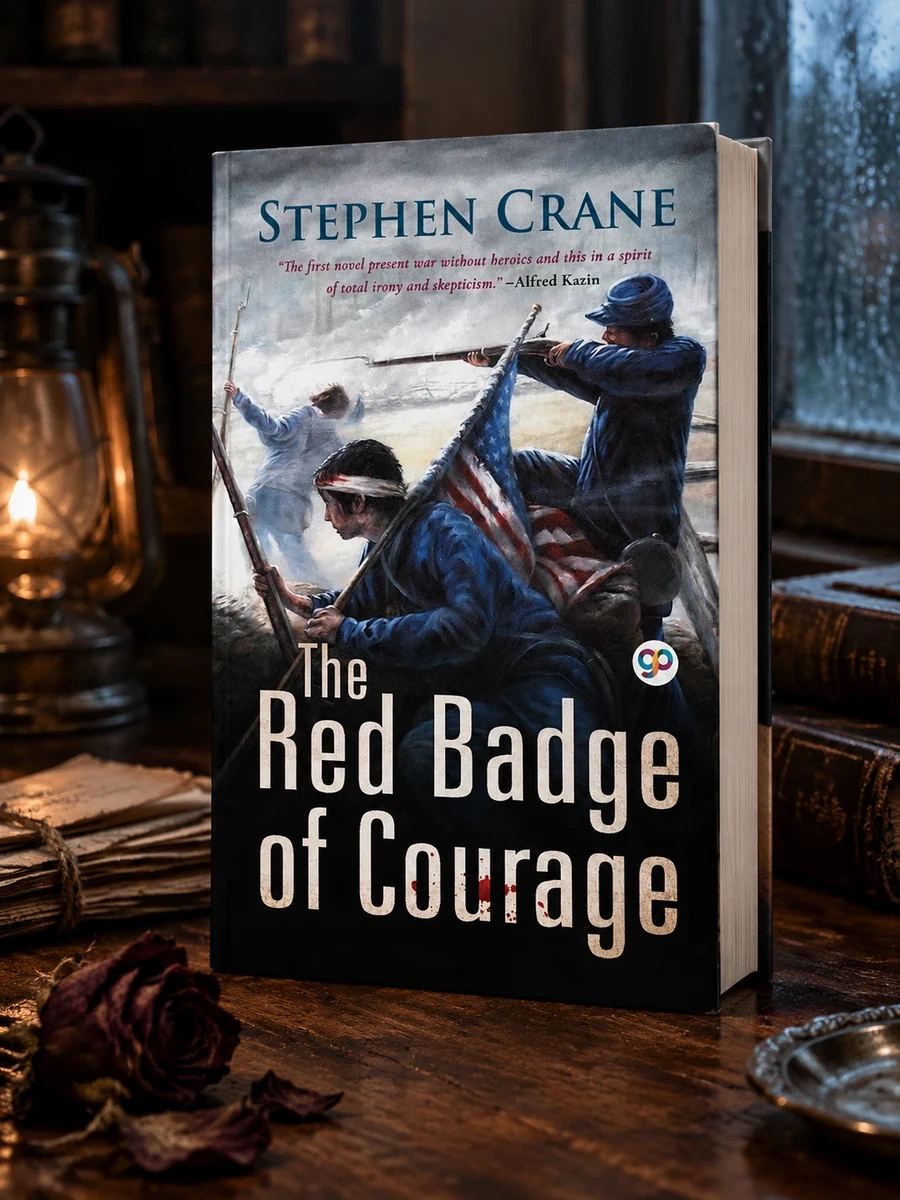
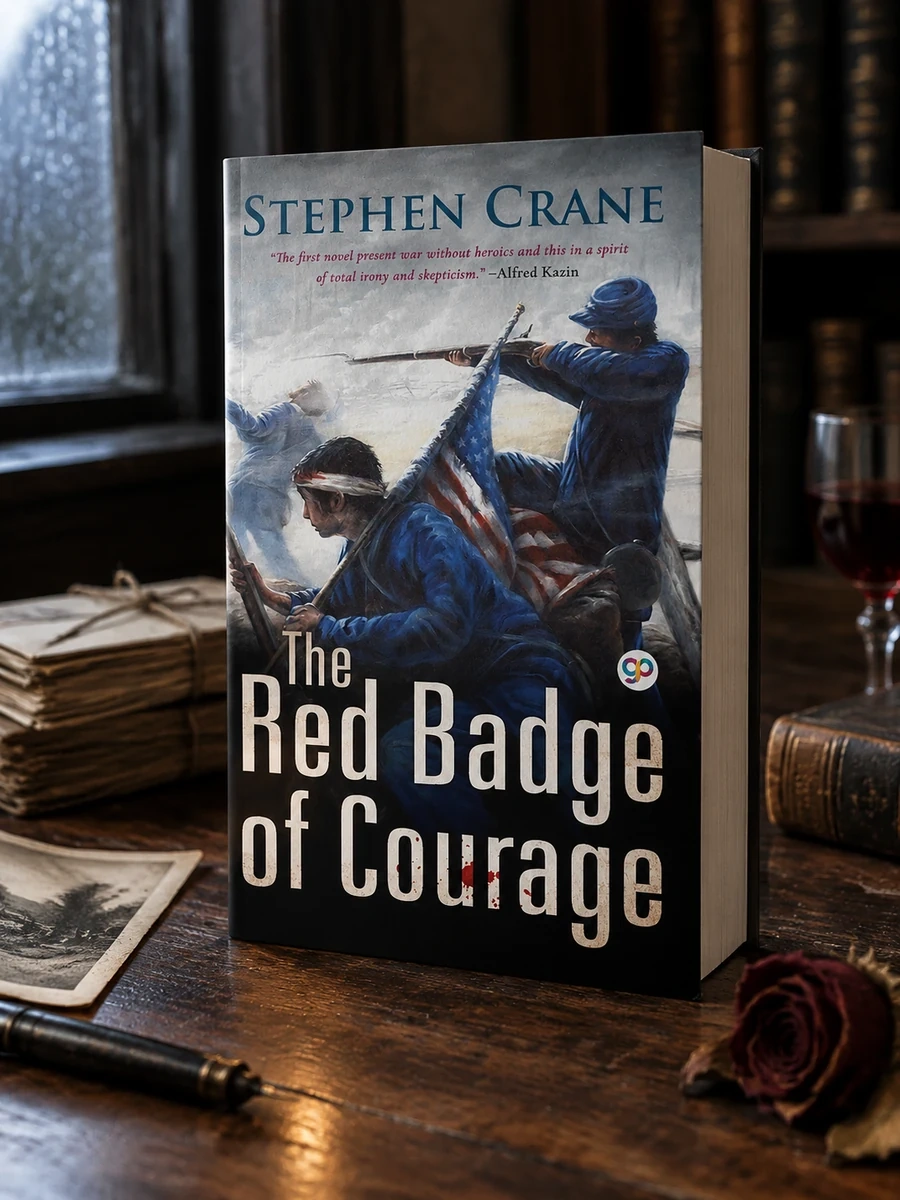
Henry Fleming joins the 304th regiment hoping to prove his courage. The reality of death shatters his idealism, causing him to run. He spends the remainder of the story grappling with guilt and attempting to restore his honor. Crane uses impressionistic techniques to show the chaos of war rather than just the glory. The narrative focuses on the internal landscape of a man who feels he has failed his comrades and himself. This approach distinguishes the work from traditional war stories that prioritize action over emotion.
Published in 1895 after serial runs in 1894, this novel emerged during a period of shifting literary styles. It drew immediate acclaim from figures like H.G. Wells. The work stands as a landmark in American literature for its unique blend of realism and impressionism regarding the Civil War experience.


📝 Description: The Red Badge of Courage
💎 Our verdict on The Red Badge of Courage
📖 Why choose it
Why this book is worth reading
Readers interested in the psychological toll of fear and the complex quest for redemption will find this text deeply rewarding. It appeals to those seeking a modern view of conflict through the eyes of an ordinary soldier rather than a celebrated hero. The narrative is ideal for individuals who prefer exploring internal turmoil, guilt, and shame over straightforward heroic tales or romanticized war narratives. By examining the shattering of idealism and the subsequent struggle for honor, it offers a profound study of human emotion amidst chaos. Those drawn to impressionistic techniques that convey battle intensity through emotional resonance rather than just physical action will appreciate its unique perspective on the horrors of war.
⭐ Reader reviews
Reader rating
Crane delivers an intense psychological portrait of war, utilizing naturalistic and impressionistic styles to capture the savagery of conflict without relying on combat experience. The narrative effectively tracks Henry Fleming’s journey from eager patriotism to flight and shame, offering a stark contrast to traditional military stories. It succeeds best for readers who appreciate deep emotional analysis over action-heavy plots. Those seeking romanticized heroism may find the focus on internal failure less appealing, but fans of psychological horror and historical introspection will value its honest depiction of fear and redemption.
📖 Read on the blog
✍️ More books by this author Stephen Crane





🏛 Books from this publisher Simon & Brown




You might also like
See more →



Have a question about this item?
Ask about the edition, condition, delivery or anything else — we reply by email or phone, usually within a day.
