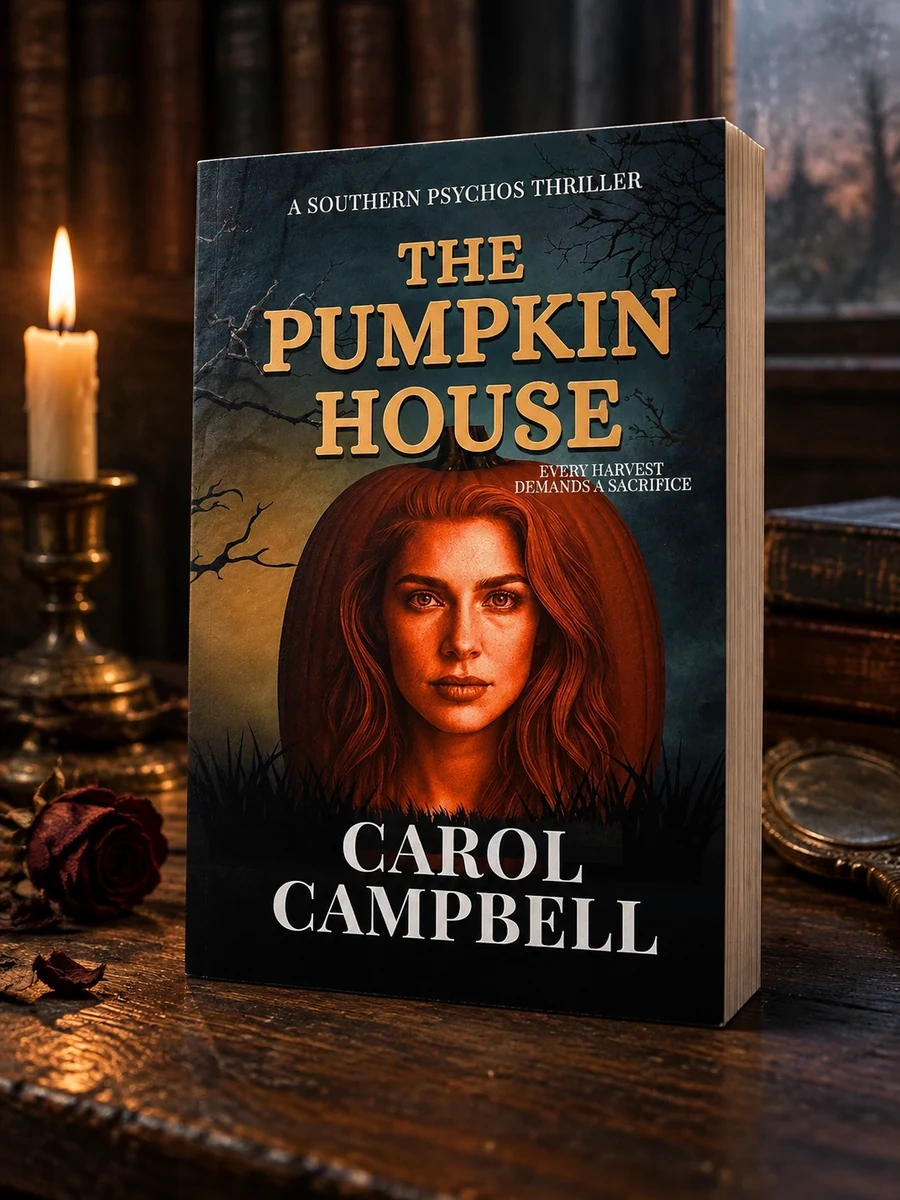
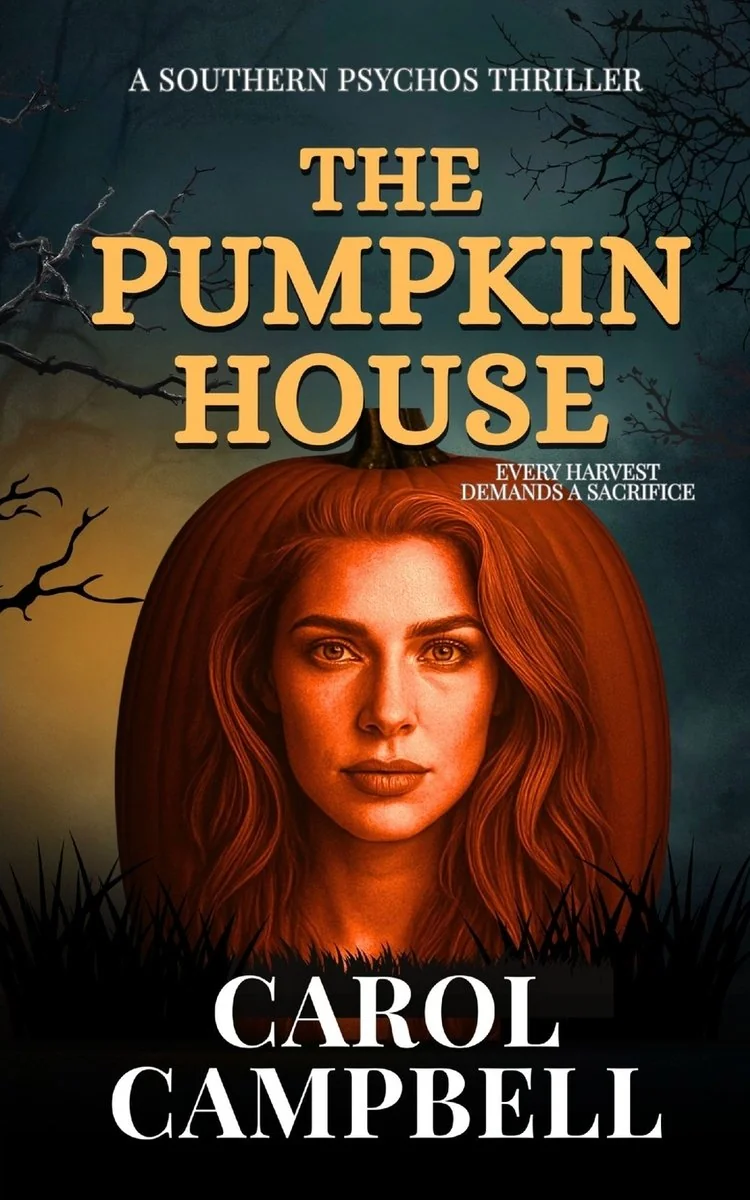
The Pumpkin House
A stranded woman finds shelter with a widower hiding a deadly obsession in rural Louisiana.
The narrative follows Rory Pike after her car fails near Bayou Vista. She accepts help from Virgil Thatch, a lonely man seeking a replacement for his deceased wife. The story focuses on the gradual erosion of Rory’s autonomy as Virgil imposes strict rules on her life. Campbell uses the setting of rural Louisiana to enhance the atmosphere of isolation. The plot centers on the revelation of Ruth Thatch’s fate and the meaning behind the carved pumpkins. This is a study in psychological manipulation rather than physical horror.
The story sits within the Southern Gothic tradition, utilizing the rural Louisiana setting to create a haunting backdrop. It draws on harvest traditions and the symbolism of pumpkins to explore themes of sacrifice and decay. The period is contemporary, focusing on modern psychological dynamics rather than historical events.


📝 Description: The Pumpkin House
💎 Our verdict on The Pumpkin House
📖 Why choose it
Why this book is worth reading
Readers seeking a slow-burning psychological thriller will find this narrative compelling for its intense focus on isolation and control. It appeals to those who appreciate character-driven suspense where the primary threat is human manipulation rather than external monsters. Fans of Southern Gothic atmospheres will enjoy the eerie rural Louisiana backdrop that enhances the sense of dread. The book offers a deep exploration of how love can rot into power dynamics, providing a chilling study of autonomy erosion. It is ideal for audiences who prefer internal psychological decay over fast-paced action or traditional supernatural horror tropes.
⭐ Reader reviews
Reader rating
Campbell delivers a tense examination of domestic obsession through the lens of rural isolation. The narrative effectively builds dread by detailing the gradual loss of Rory’s autonomy under Virgil’s strict, controlling regime. The use of carved pumpkins and preserved domestic items creates a disturbingly tangible atmosphere of grief turned predatory. While it lacks supernatural thrills, its strength lies in the realistic depiction of psychological manipulation. This work suits fans of dark domestic suspense who enjoy slow-burning tension and complex power dynamics. It is less suitable for those preferring external threats or rapid plot progression.