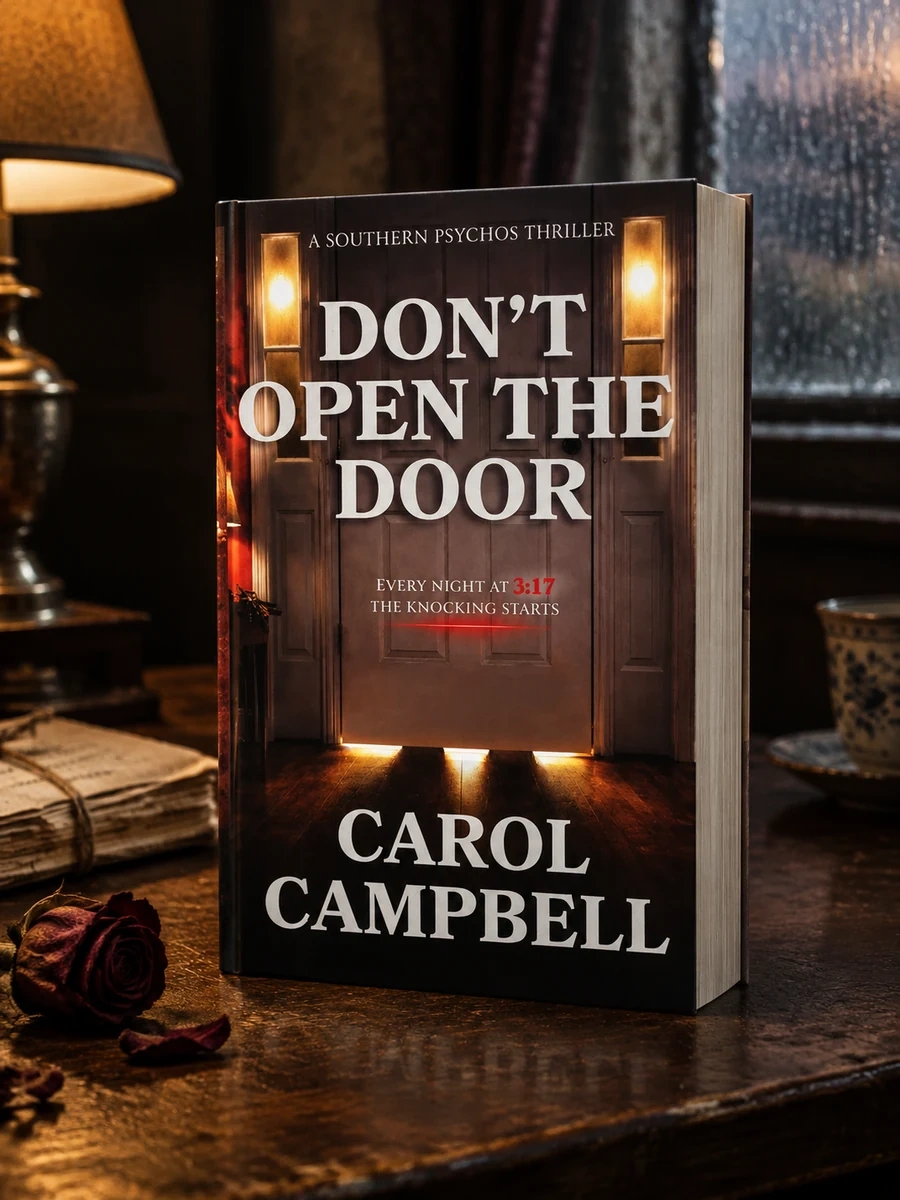
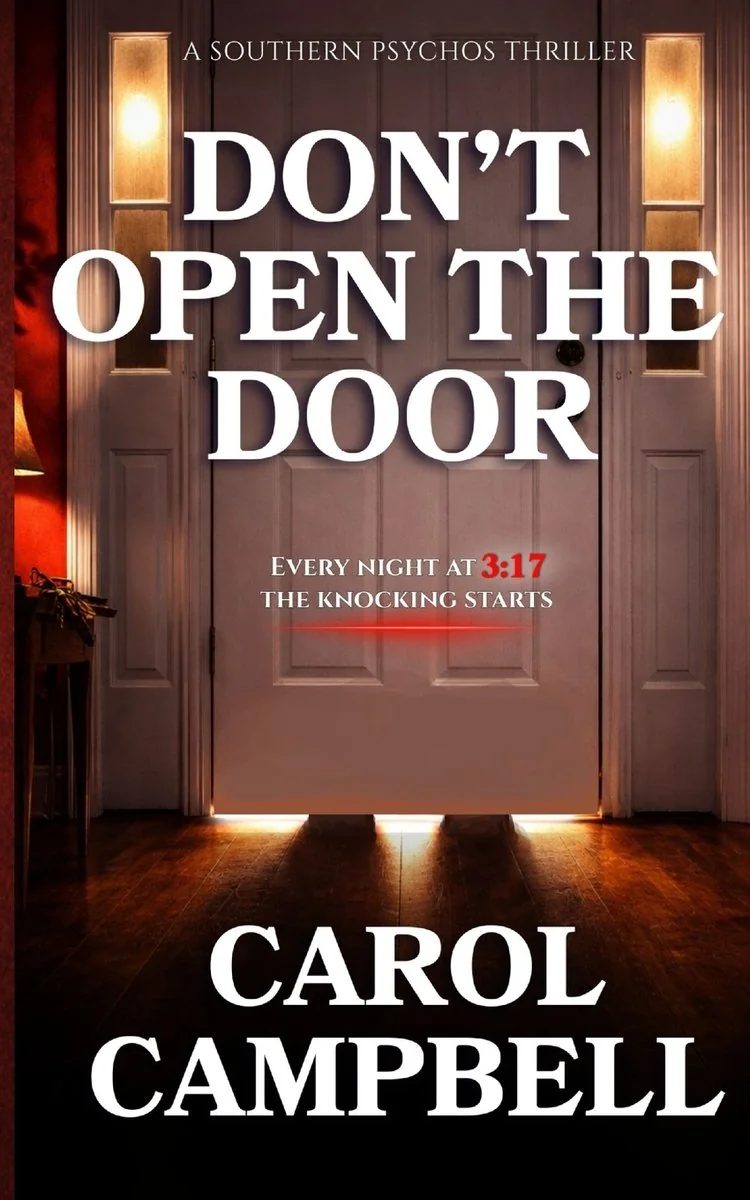
Don't Open The Door
A Southern thriller about a woman haunted by an unexplained nightly knock.
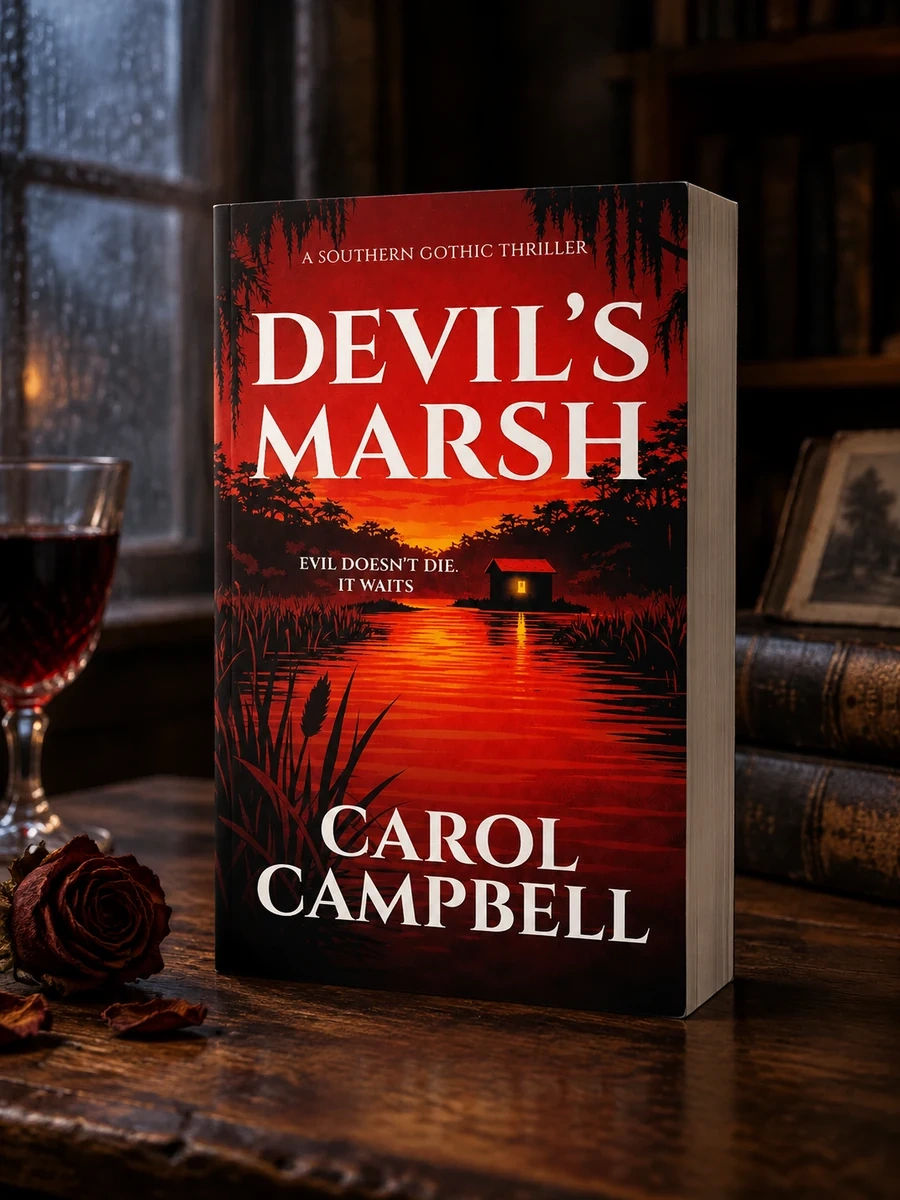
Olivia Hayes faces a crisis when a mysterious knocking occurs every night at 3:17 a.m. Her household and community refuse to believe her, labeling her unstable. The author builds suspense through the protagonist's solitary struggle against gaslighting and supernatural hints. The house acts as a container for hidden dangers that only Olivia can perceive. This setup creates a claustrophobic atmosphere typical of psychological horror. The plot relies on the contrast between rational dismissal and eerie reality. Campbell uses the setting to amplify feelings of entrapment and paranoia. The story appeals to readers who enjoy twisty narratives where the home is not a sanctuary.
This 2025 publication sits within the contemporary Southern Gothic tradition, blending psychological thriller elements with supernatural fiction. It targets American readers who appreciate atmospheric dread and unreliable narrators in modern horror settings.


📝 Description: Don't Open The Door
💎 Our verdict on Don't Open The Door
📖 Why choose it
Why this book is worth reading
Readers who enjoy twisty narratives where the home is not a sanctuary will find this work compelling. It appeals to those who appreciate relentless atmospheric dread and claustrophobic settings typical of psychological horror. The story offers a solitary struggle against gaslighting, creating suspense through the contrast between rational dismissal and eerie reality. Those who prefer lighthearted genre fiction or non-supernatural mysteries may find the tone too oppressive. The narrative does not offer easy resolutions, leaving the nature of the threat ambiguous until the final pages, which will satisfy audiences seeking complex, unsettling tales without providing comforting closure.
⭐ Reader reviews
Reader rating
Carol A Campbell constructs a tense Southern psychological thriller centered on Olivia Hayes and her nightly crisis at 3:17 a.m. The book excels in building suspense through the protagonist's isolation and the house acting as a container for hidden dangers. By amplifying feelings of entrapment, Campbell creates a claustrophobic atmosphere that challenges the boundary between madness and supernatural threat. This work suits readers seeking atmospheric dread and twisty narratives rather than clear answers. It effectively utilizes gothic traditions of haunted domestic spaces to explore gaslighting and community skepticism. The ambiguous resolution ensures the lingering unease characteristic of quality psychological horror, making it a strong choice for fans of the genre who tolerate oppressive tones and complex character dynamics.