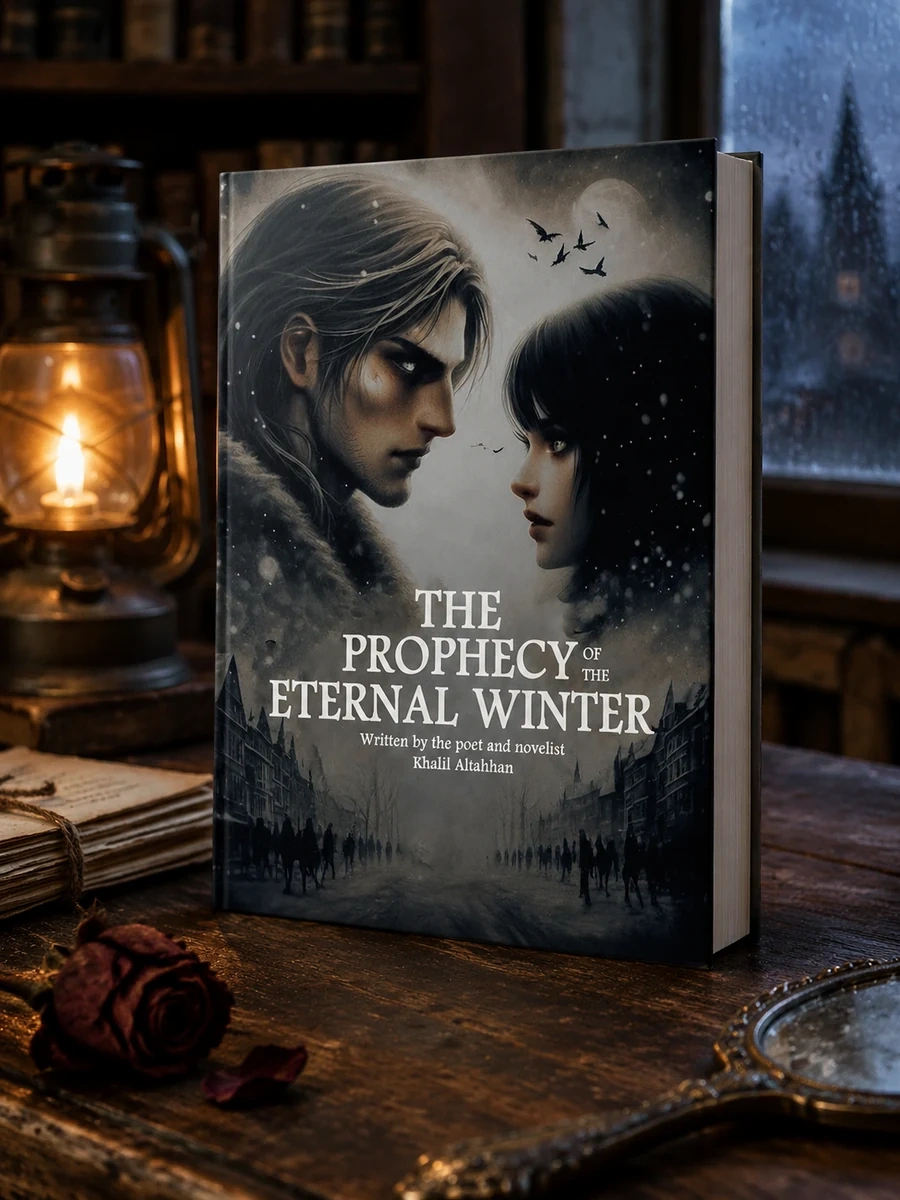
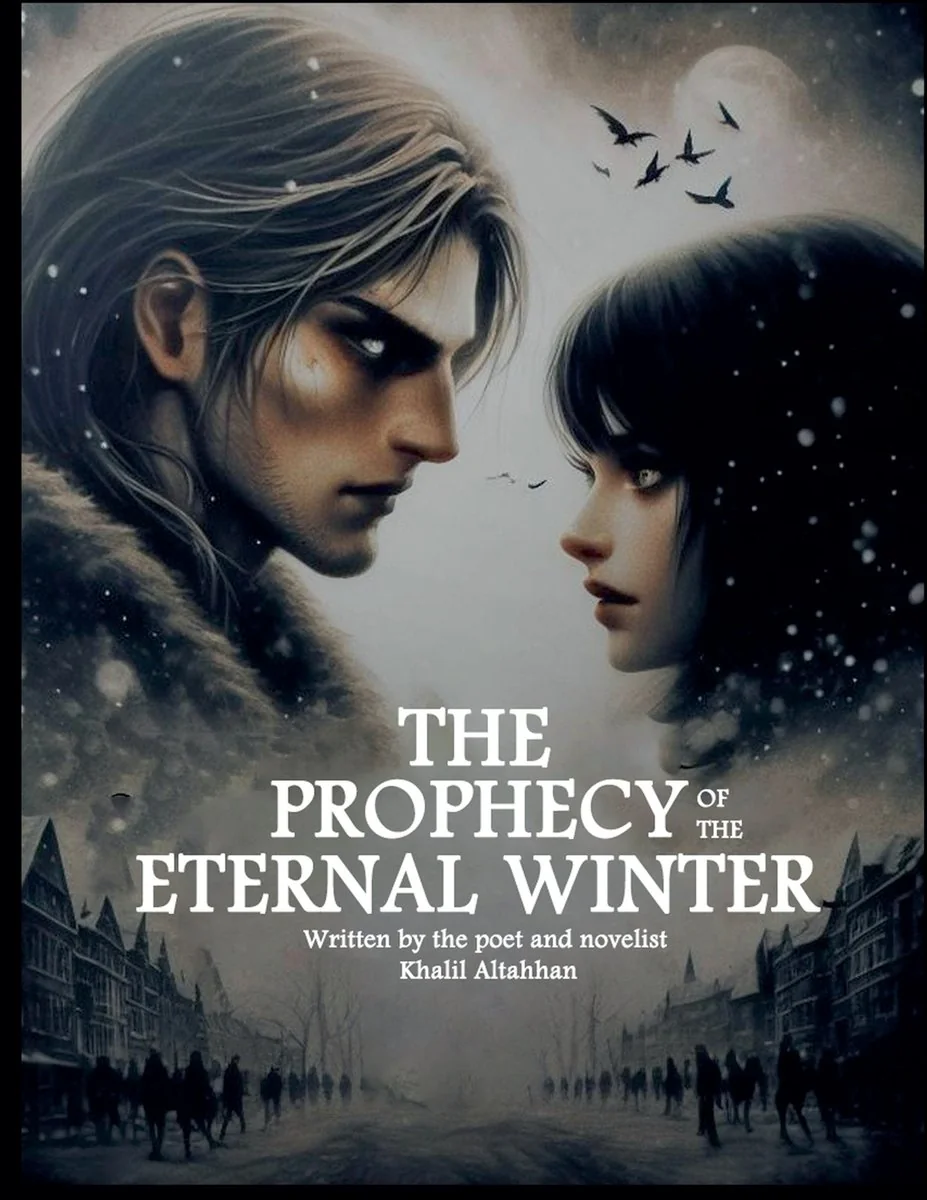
The Prophecy of the Eternal Winter. ?
A WWII-era horror romance centered on a forbidden love and a terrifying prophecy.
Altahhan crafts a story where personal devotion collides with historical atrocity. The novel does not offer a broad survey of the war but zooms in on two individuals whose relationship defies the rigid controls of Nazi Germany. By integrating supernatural horror into this historical framework, the author creates a unique tension between human emotion and existential dread. The narrative structure prioritizes mystery, keeping the nature of the eternal winter prophecy concealed until the reader engages fully with the text. This method ensures that the horror emerges from both the external political climate and the internal secrets of the characters.
The novel is situated in Germany during World War II, a period marked by Nazi control. It engages with the historical trauma of that era while incorporating elements of horror and supernatural fiction. The work reflects the cultural and political tensions of mid-twentieth-century Europe through its focus on personal relationships under oppressive regimes.


📝 Description: The Prophecy of the Eternal Winter. ?
💎 Our verdict on The Prophecy of the Eternal Winter. ?
📖 Why choose it
Why this book is worth reading
Readers drawn to the visceral tension between intimate human emotion and overwhelming historical atrocity will find this title compelling. It offers a unique lens on World War II, moving beyond broad military surveys to explore the suffocating constraints of Nazi control through a supernatural framework. Those who enjoy gothic fiction where love is tested by existential dread rather than mere social convention will appreciate the gradual revelation of its central mystery. The book appeals to those seeking atmospheric depth and psychological horror over factual recounting, providing an immersive experience where personal devotion collides with terrifying prophecy.
⭐ Reader reviews
Reader rating
Altahhan effectively merges the stark reality of mid-twentieth-century oppression with the eerie traditions of gothic fiction. By focusing tightly on two individuals rather than the war’s scope, the narrative creates a claustrophobic atmosphere where horror emerges from both external political climates and internal secrets. The deliberate withholding of the prophecy’s specifics builds suspense, ensuring the dread unfolds organically. This approach suits readers who prefer gradual revelation over immediate exposition. The blend of historical tragedy with supernatural elements offers a fresh perspective on wartime romance, appealing to those interested in psychological horror and atmospheric storytelling rather than straightforward drama.
You might also like
See more →







Have a question about this item?
Ask about the edition, condition, delivery or anything else — we reply by email or phone, usually within a day.
