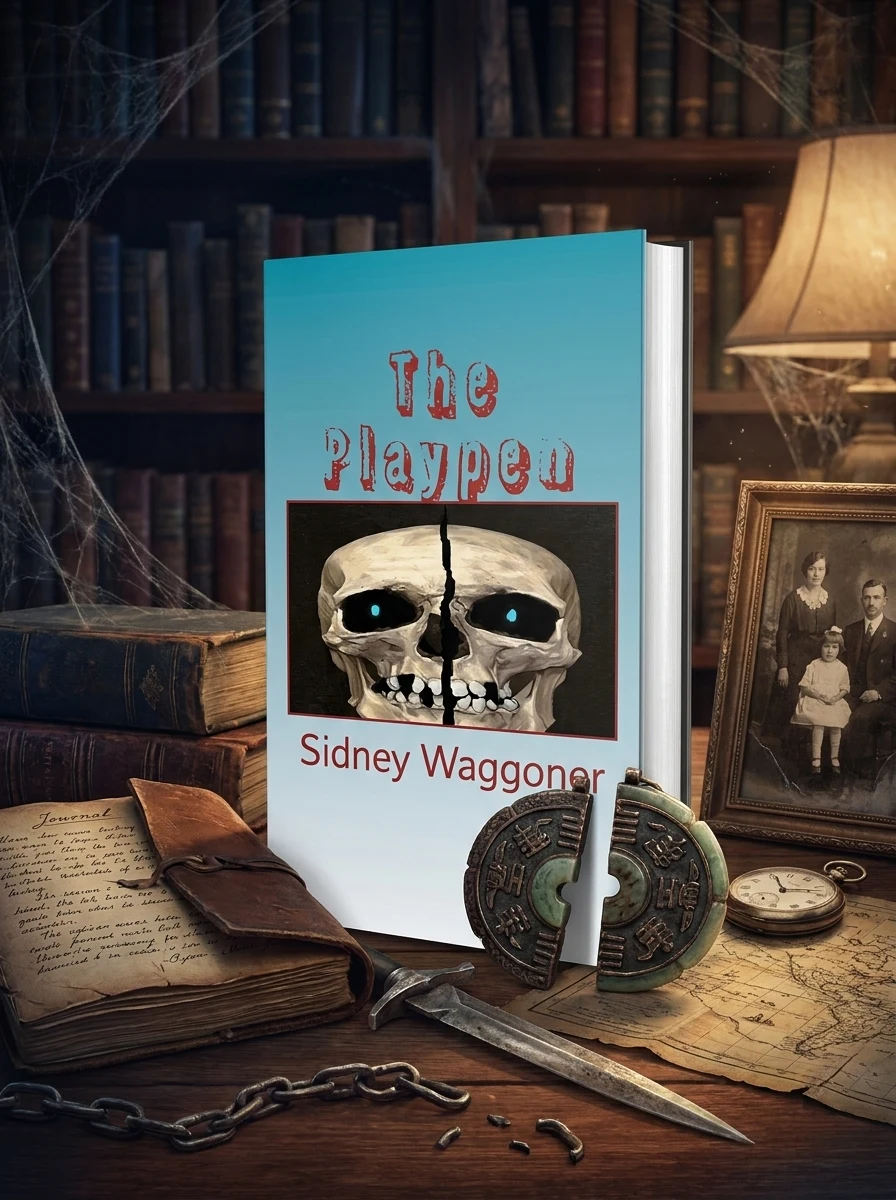
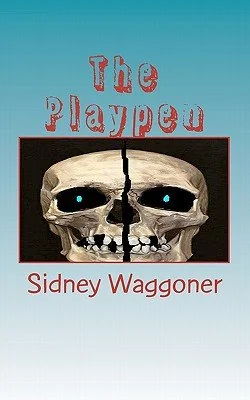
The Playpen
A split amulet triggers a twenty-five-year supernatural war between two men.
Waggoner explores the long-term consequences of splitting a magical Korean artifact. The narrative contrasts Clay Samuels' descent into god-like ambition with Howard Peters' desire for normalcy. This dynamic creates a prolonged conflict spanning decades. The author uses the amulet as a catalyst for examining human nature under supernatural pressure. The story does not rely on complex world-building but focuses on the personal impact of the curse. It appeals to readers who enjoy character-driven horror where the antagonist is driven by power rather than malice alone. The resolution hinges on the physical reunification of the object after a quarter-century.
The narrative incorporates elements of Korean folklore through the discovery of an ancient artifact. The story is set in a modern context where supernatural forces disrupt ordinary lives, reflecting contemporary horror tropes that blend traditional myths with personal drama.


📝 Description: The Playpen
💎 Our verdict on The Playpen
📖 Why choose it
Why this book is worth reading
Readers who enjoy character-driven horror where the antagonist is motivated by power rather than pure malice will find this narrative compelling. The story offers a straightforward examination of human nature under supernatural pressure, focusing on personal impact over complex world-building. Those fascinated by cursed objects and moral decay will appreciate the psychological divergence between Clay Samuels’ descent into god-like ambition and Howard Peters’ struggle for normalcy. It serves as an engaging study of how a single artifact can trigger a prolonged conflict spanning decades, appealing to fans of supernatural thrillers that prioritize internal character dynamics and the tension between magical influence and domestic life.
⭐ Reader reviews
Reader rating
Waggoner delivers a focused supernatural thriller that effectively utilizes a split amulet as a catalyst for examining long-term psychological consequences. By contrasting Clay Samuels’ ruthless sociopathy with Howard Peters’ desire for normalcy, the text highlights the corrosive nature of power over a twenty-five-year period. The narrative avoids intricate world-building in favor of direct character exploration, making it accessible to those who prefer moral decay and cursed object tropes. While historical non-fiction or contemporary romance readers may find the focus on sociopathic behavior unsettling, horror enthusiasts will appreciate the clear depiction of good versus evil triggered by a single magical artifact.
📖 Read on the blog
🏛 Books from this publisher Createspace Independent Publishing Platform








You might also like
See more →


Have a question about this item?
Ask about the edition, condition, delivery or anything else — we reply by email or phone, usually within a day.
