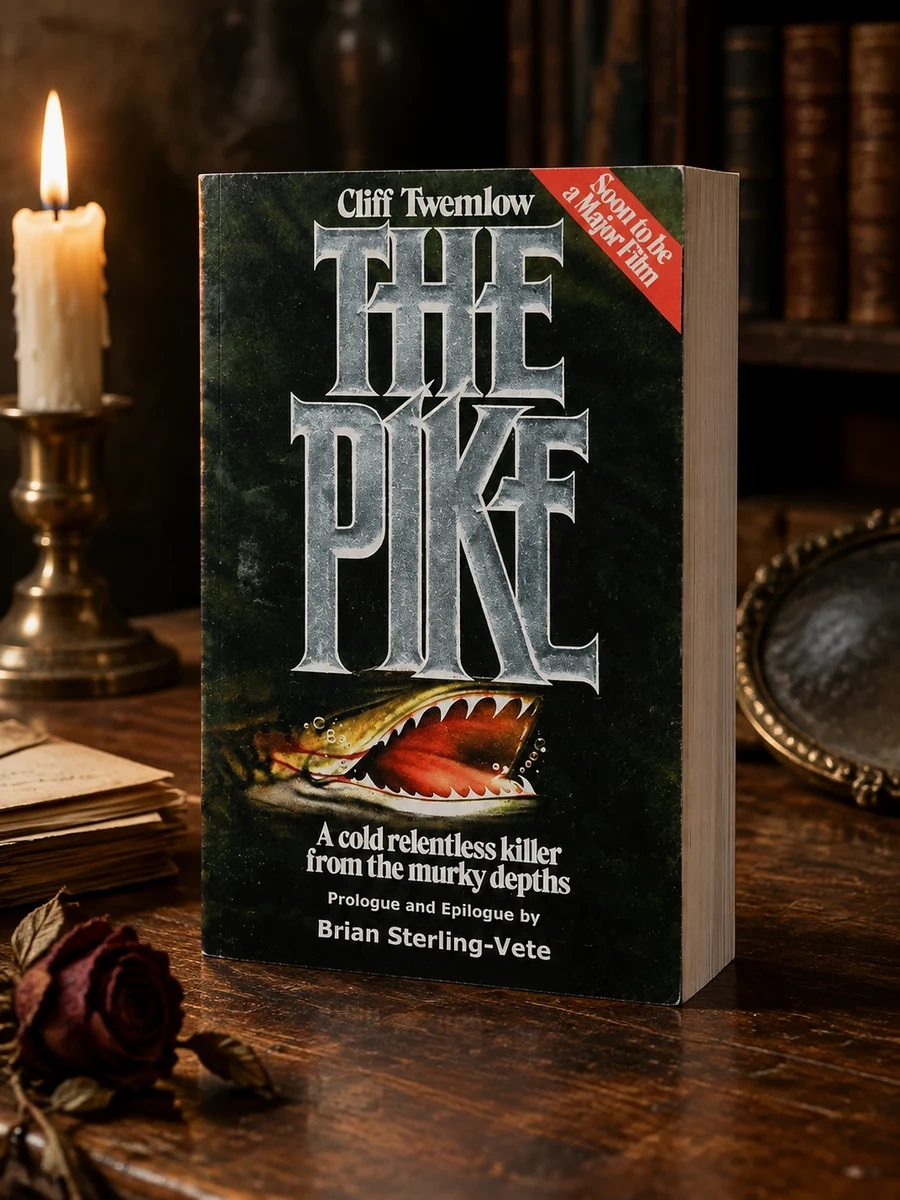
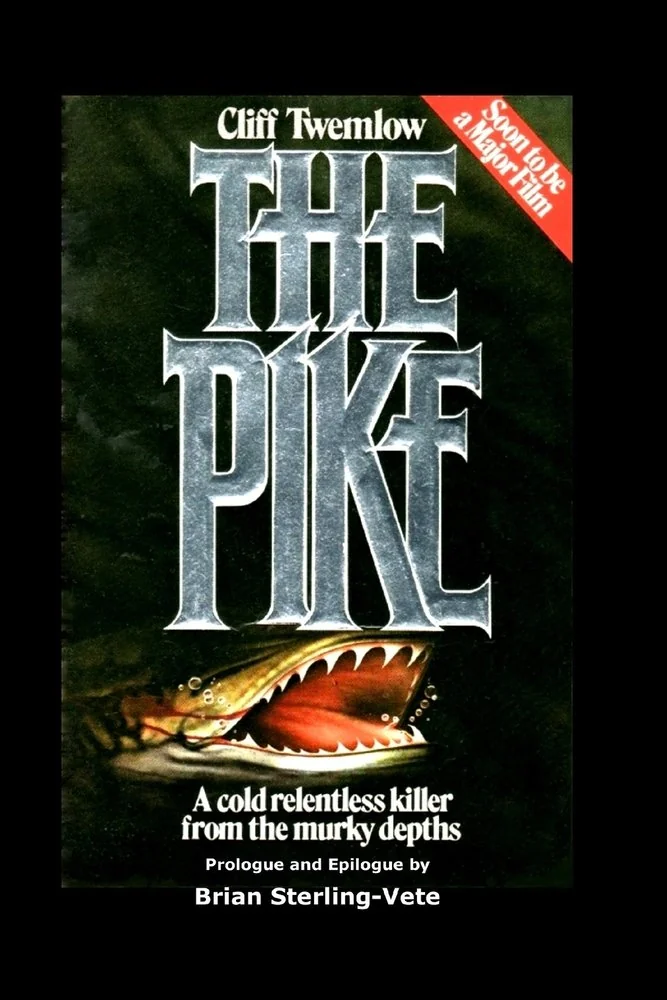
The Pike
A novel about a killer fish and its journey from page to unmade film.
This text functions as both a horror narrative and a behind-the-scenes documentary. It details the specific events of the creature's attacks while simultaneously tracing the development of its adaptation. The author uses his position within Cliff Twemlow’s team to explain how the project moved into pre-production before financial issues stopped it. The book bridges the gap between fictional terror and real-world industry failure, offering insight into the creative process that never reached completion.
The work sits at the intersection of gothic fiction and Hollywood development culture. It reflects the late 2010s interest in behind-the-scenes accounts of failed productions, specifically highlighting the era when independent platforms like Createspace allowed authors to publish direct records of their industry experiences.


📝 Description: The Pike
💎 Our verdict on The Pike
📖 Why choose it
Why this book is worth reading
This book offers a unique dual appeal for readers fascinated by both visceral creature horror and the mechanics of cinematic adaptation. It is ideal for those who enjoy seeing how a narrative evolves from page to potential screen, providing insight into the creative process that never reached completion. The text serves as a documentary of an unrealized project, detailing the tension between biological terror and human greed. Readers interested in the behind-the-scenes reality of Hollywood development, particularly the impact of financier difficulties on artistic vision, will find value in this account. It satisfies curiosity about the journey of a story from conception to its halt due to financial issues.
⭐ Reader reviews
Reader rating
Sterling-Vete effectively merges a brutal creature narrative with a documentary-style exploration of film production. The depiction of the monstrous pike and the exploitative traders creates a compelling atmosphere of biological horror compounded by human malice. The inclusion of Joan Collins’ involvement and Cliff Twemlow’s team adds significant industry weight to the tale. This structure allows the work to function as both a thriller and an insider’s look at pre-production struggles. It suits readers who appreciate meta-narratives that critique the fragility of creative partnerships. The blend of fictional attacks with real-world industry failure provides a distinctive reading experience, offering genuine insight into the mechanics of Hollywood development without relying on traditional plot resolution.