
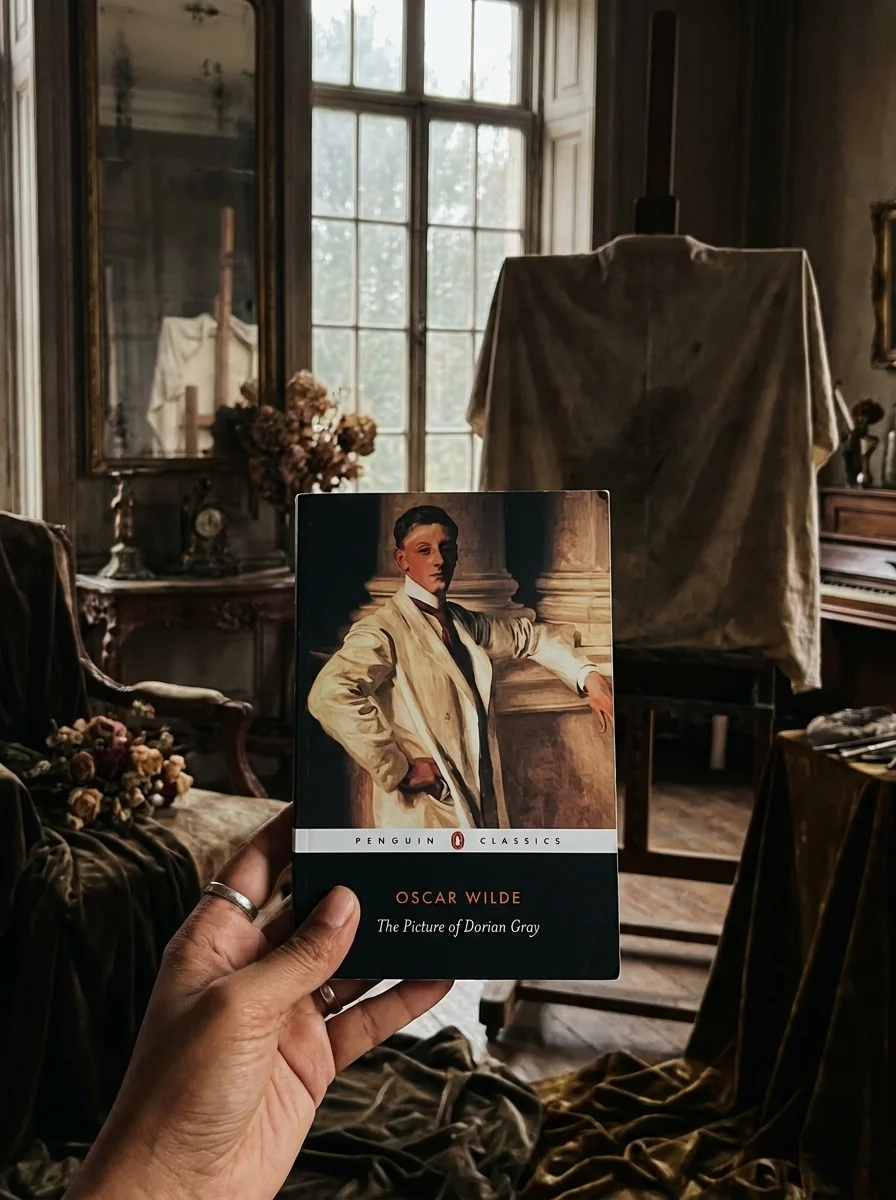
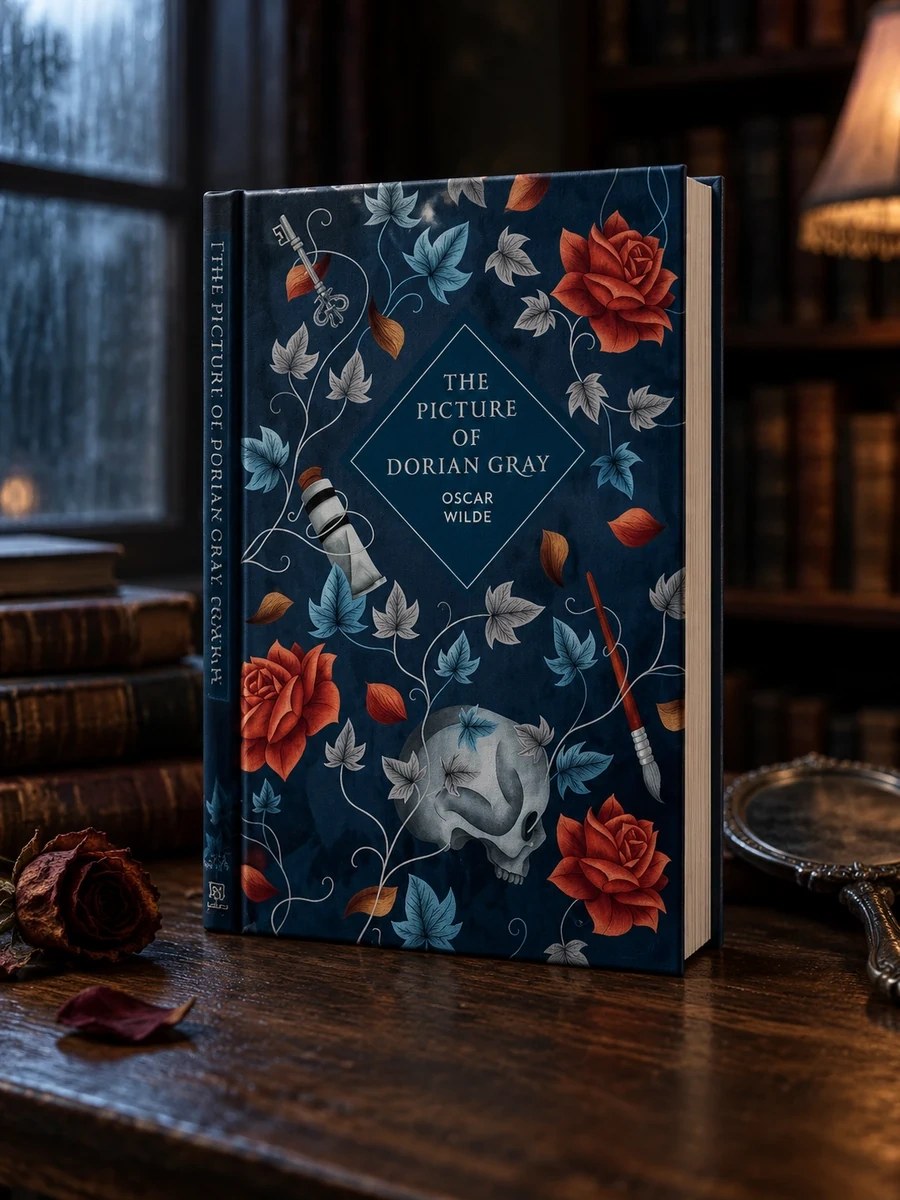
The Picture of Dorian Gray
A philosophical novel about a man who trades his soul for eternal youth.
This text presents a story where a protagonist seeks to escape the consequences of his actions through supernatural means. Wilde uses the character's unchanged appearance to contrast with the moral rotting of his spirit, depicted in a hidden painting. The narrative structure allows for an examination of how vanity can lead to isolation and cruelty. Ackroyd's preface helps readers understand the cultural shock this work caused upon release. The book is organized to guide the reader through the gradual unraveling of the main character's psyche. It offers a critical look at Victorian society's values regarding art and morality.
Wilde published this work in 1890 and 1891, during the late Victorian era. The novel emerged from a period of intense debate about aestheticism and moral responsibility in British literature. Its initial appearance in Lippincott’s Monthly Magazine highlights the role of periodicals in disseuting controversial fiction to American and British audiences.


📝 Description: The Picture of Dorian Gray
💎 Our verdict on The Picture of Dorian Gray
📖 Why choose it
Why this book is worth reading
This book suits readers interested in Victorian literature and ethical philosophy who enjoy dense psychological focus. It offers a critical look at how vanity can lead to isolation and cruelty, examining the cost of indulging desires without physical consequence. Those seeking straightforward adventure may find it less appealing, but fans of gothic horror and philosophical novels will appreciate its examination of spiritual corruption through aestheticism. The narrative guides readers through the gradual unraveling of the protagonist's psyche, providing a clear view of Wilde's argument about art and life while challenging assumptions about identity.
⭐ Reader reviews
Reader rating
Wilde crafts a compelling philosophical novel that examines spiritual corruption through the lens of aestheticism. The narrative traces the protagonist's descent into moral decay as he remains unchanged while a hidden portrait bears the marks of his sins. This approach effectively uses gothic traditions to explore the tension between beauty and morality. The work challenges readers to consider the cost of vanity and the nature of identity in a society obsessed with appearances. It serves as a critical look at Victorian values regarding art and morality, offering a dense psychological focus that rewards patient readers. While not suitable for those seeking simple plots, it remains a powerful example of late nineteenth-century fiction.
📖 Read on the blog
📖 From the series “Penguin Classics”
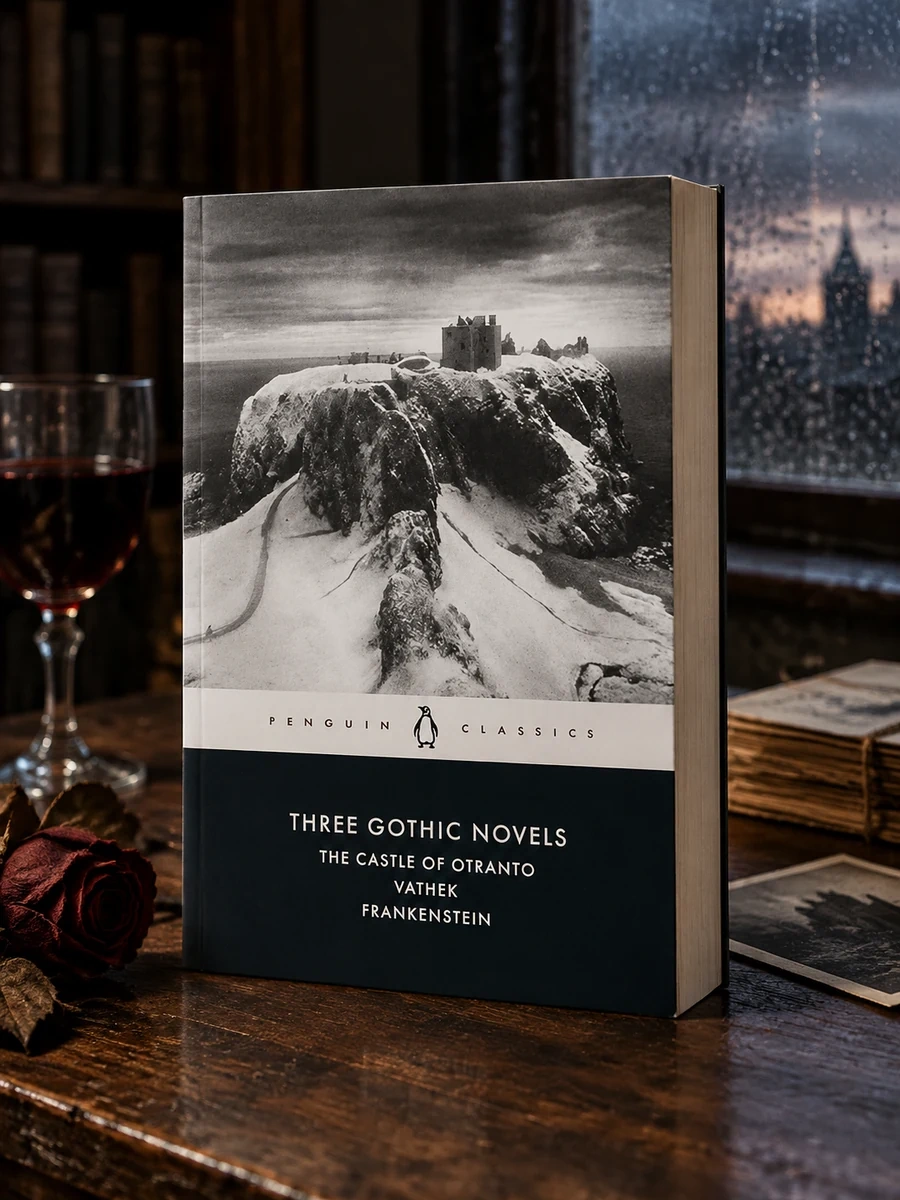


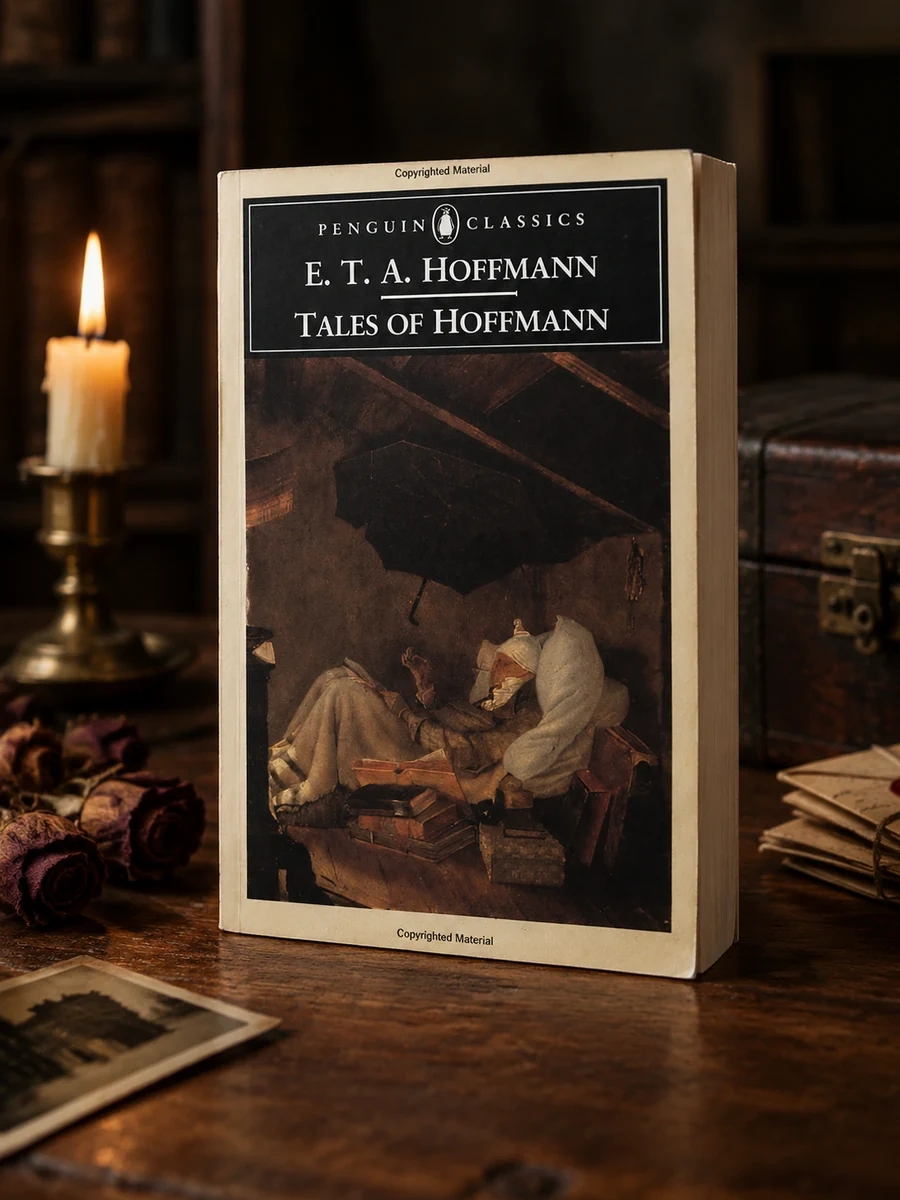
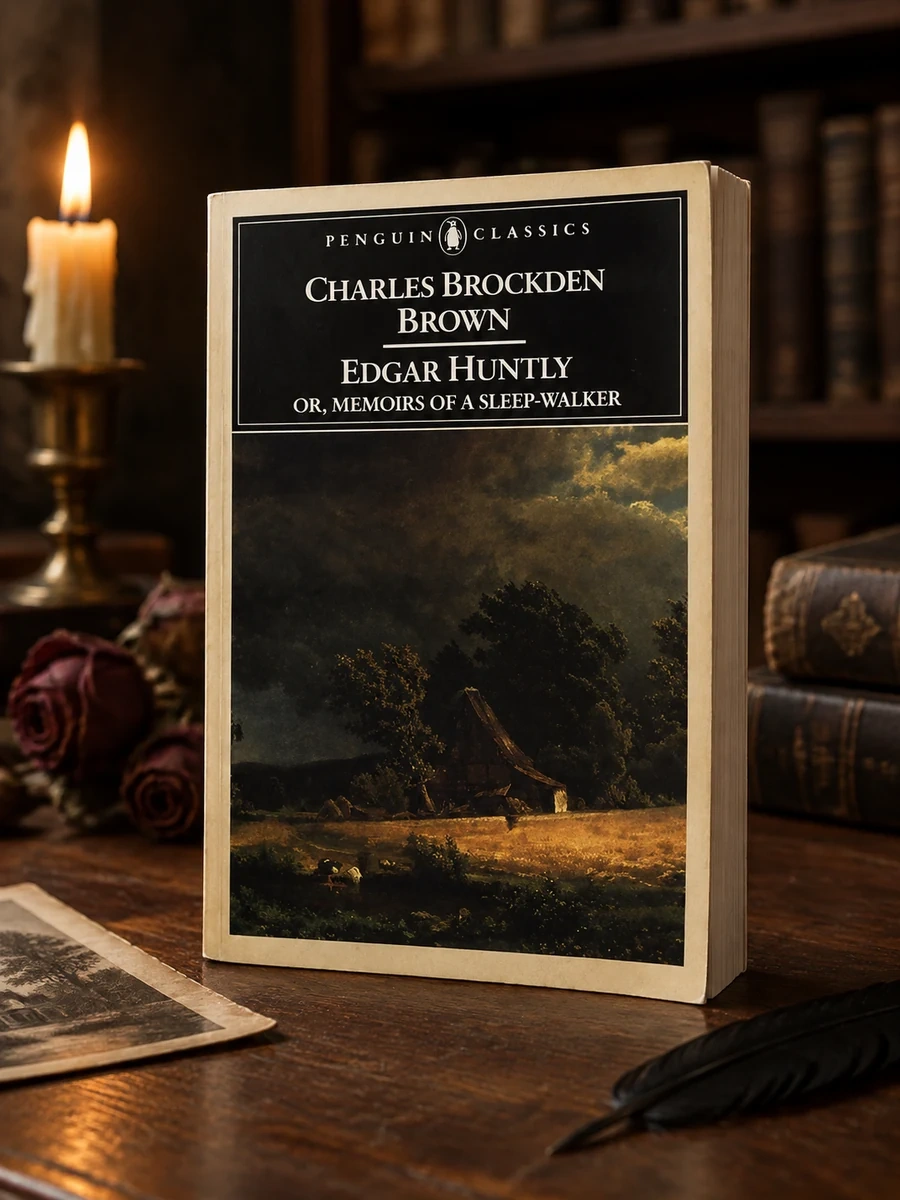
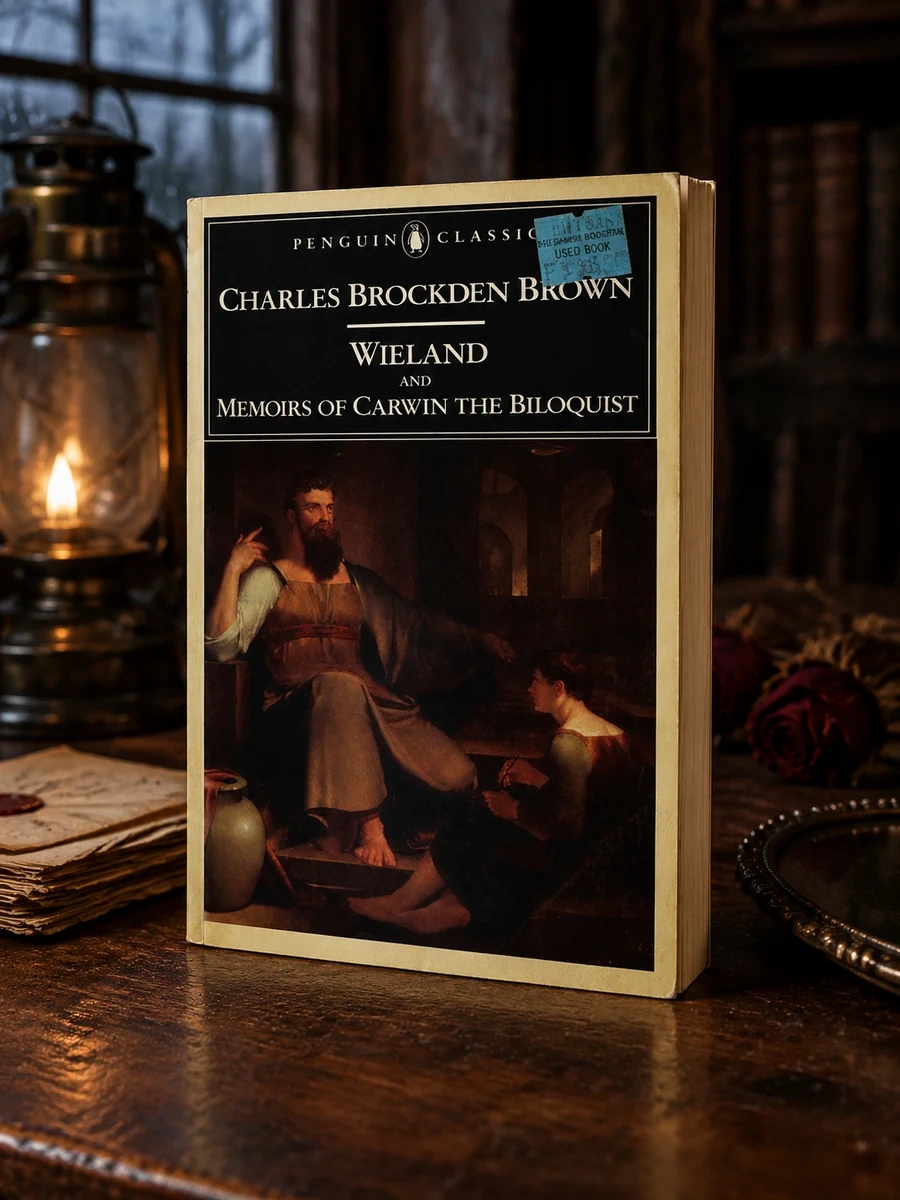
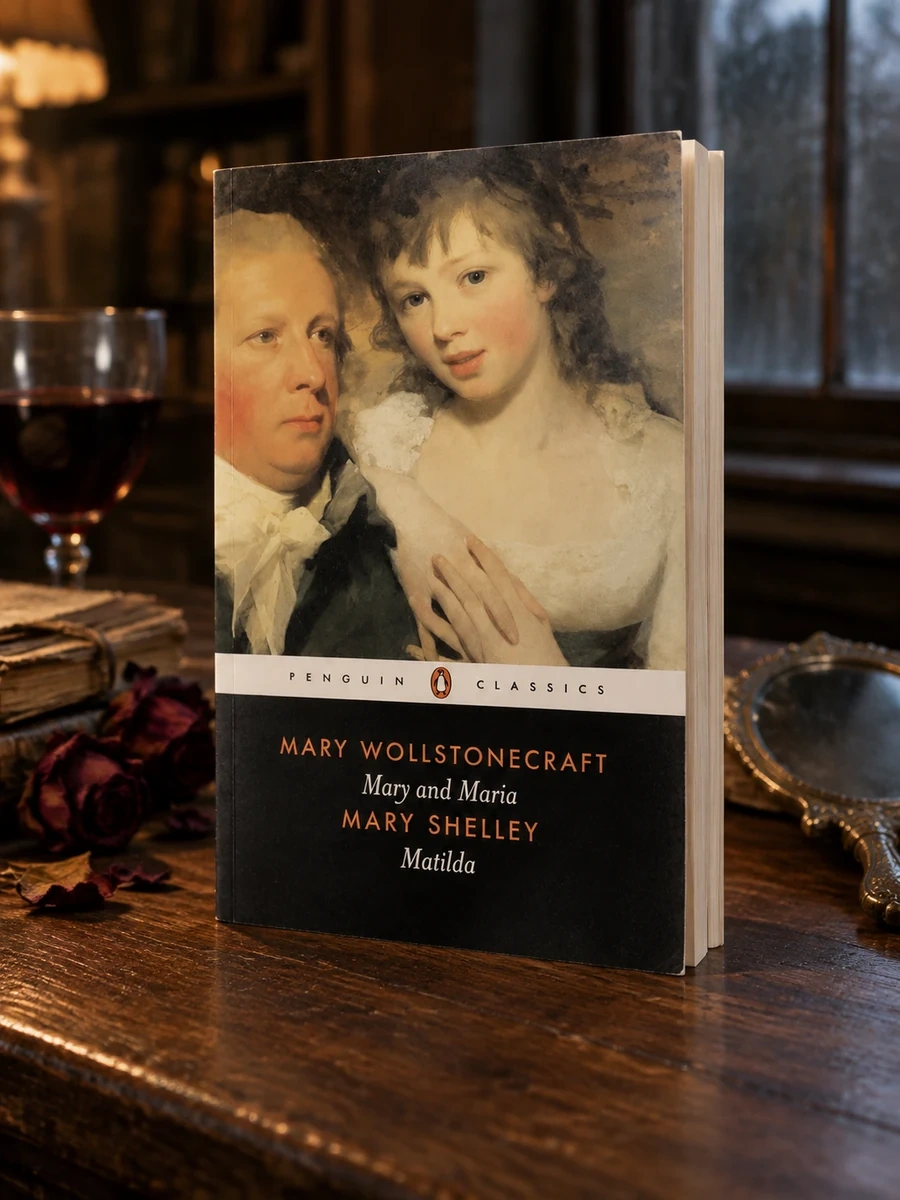
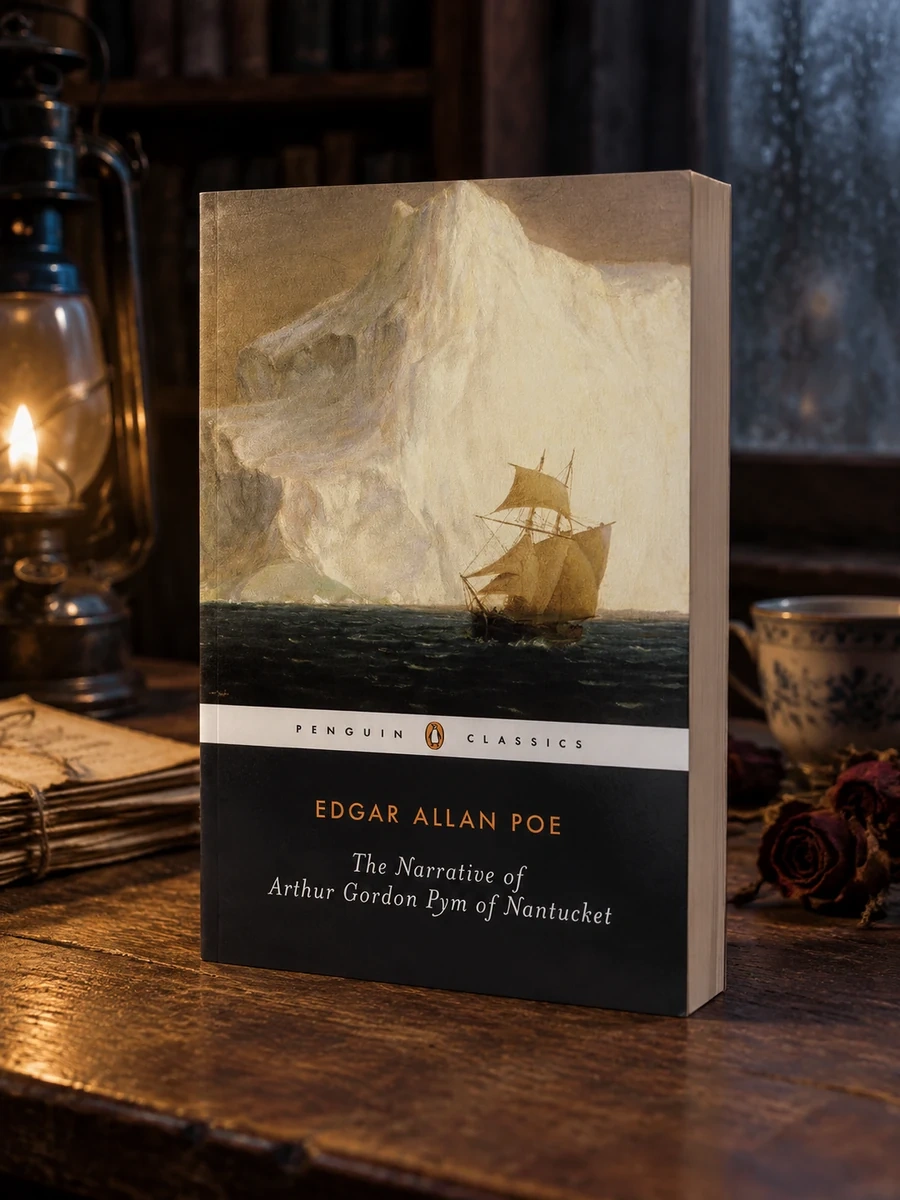
✍️ More books by this author Oscar Wilde
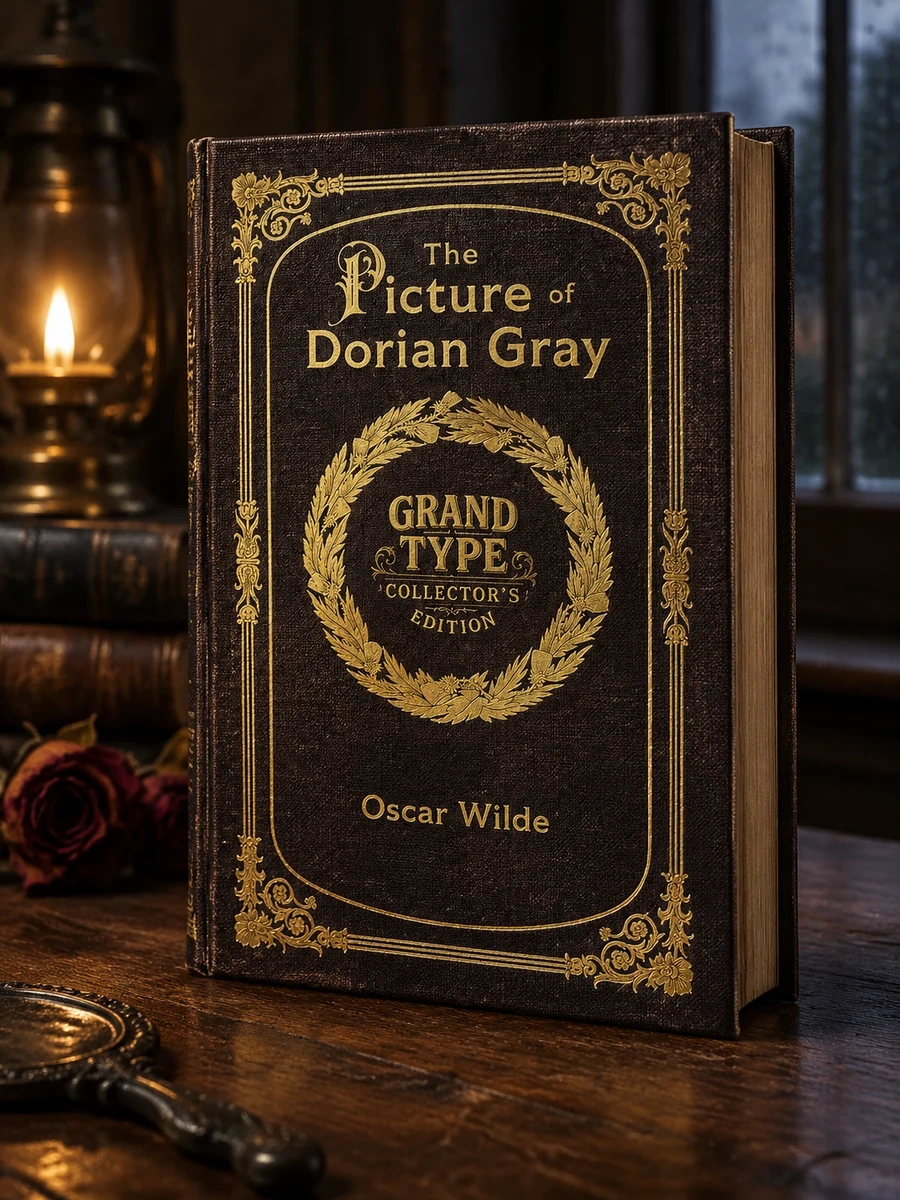
🏛 Books from this publisher Penguin Classics
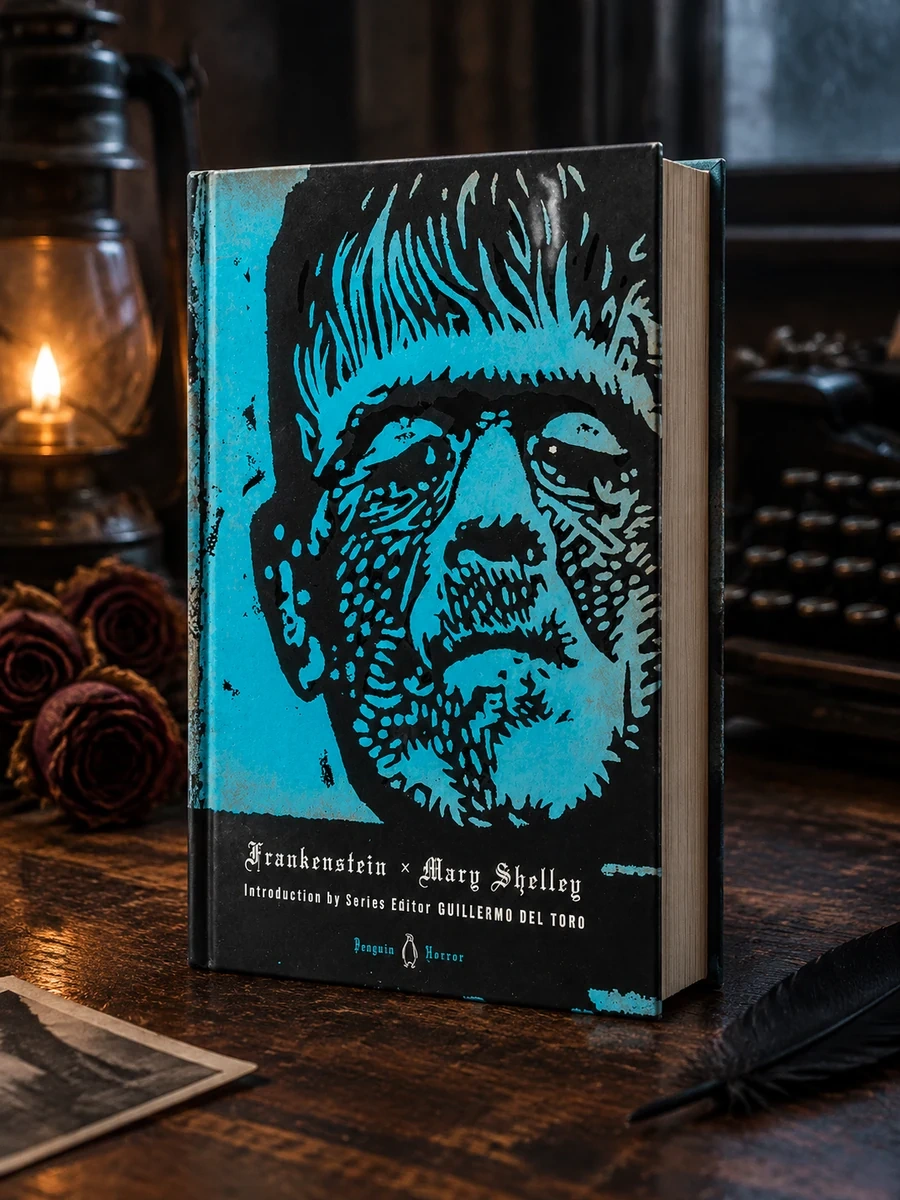
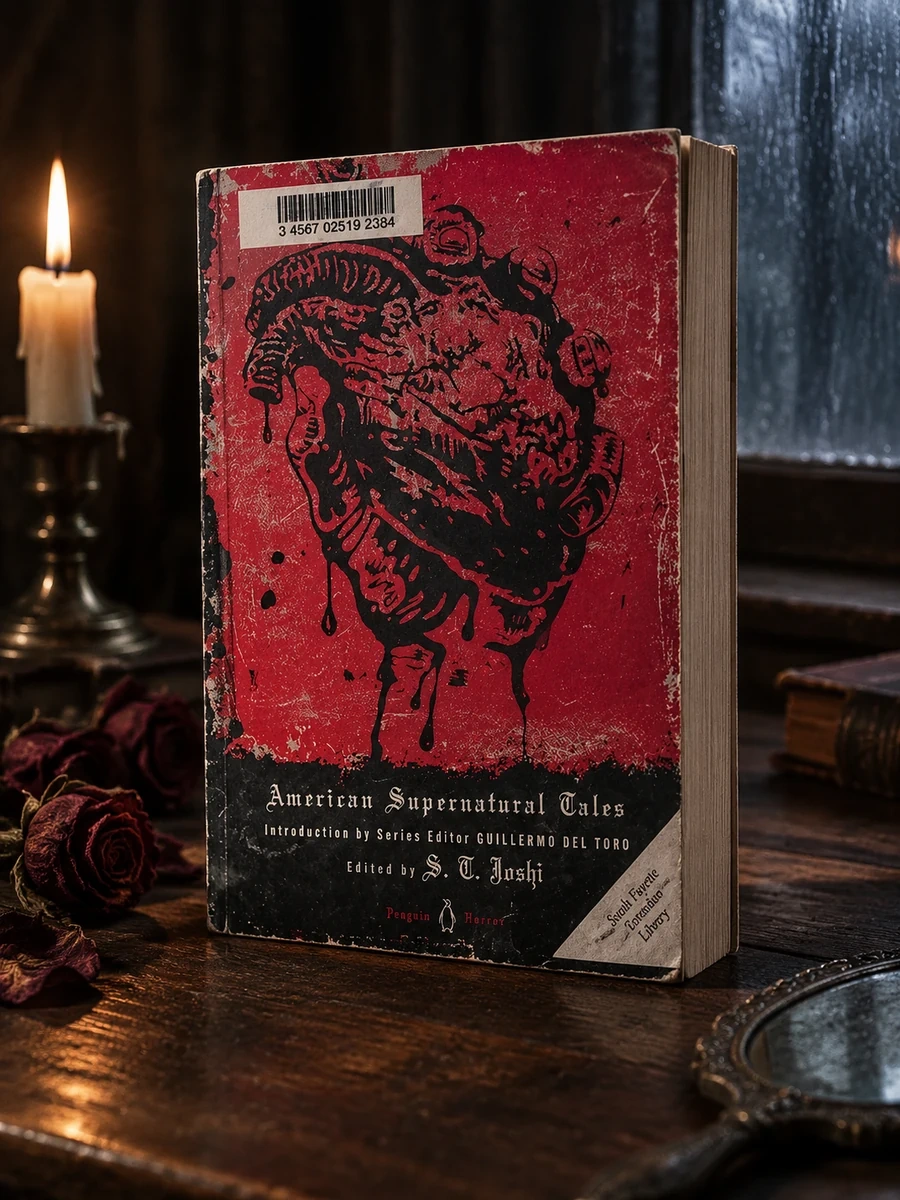
You might also like
See more →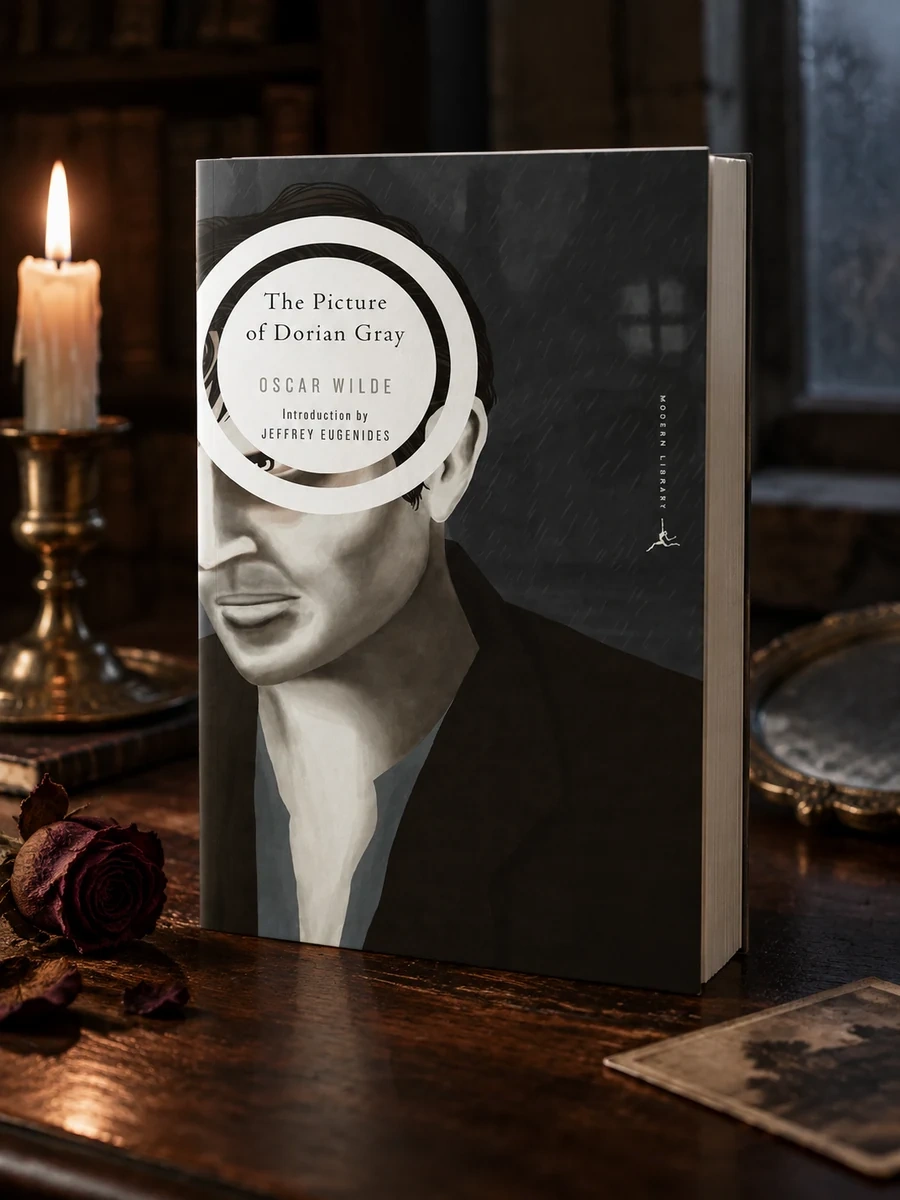



Have a question about this item?
Ask about the edition, condition, delivery or anything else — we reply by email or phone, usually within a day.
