
The Philip Phenomenon
A man's fake grief over a stranger photo summons a dangerous supernatural entity.
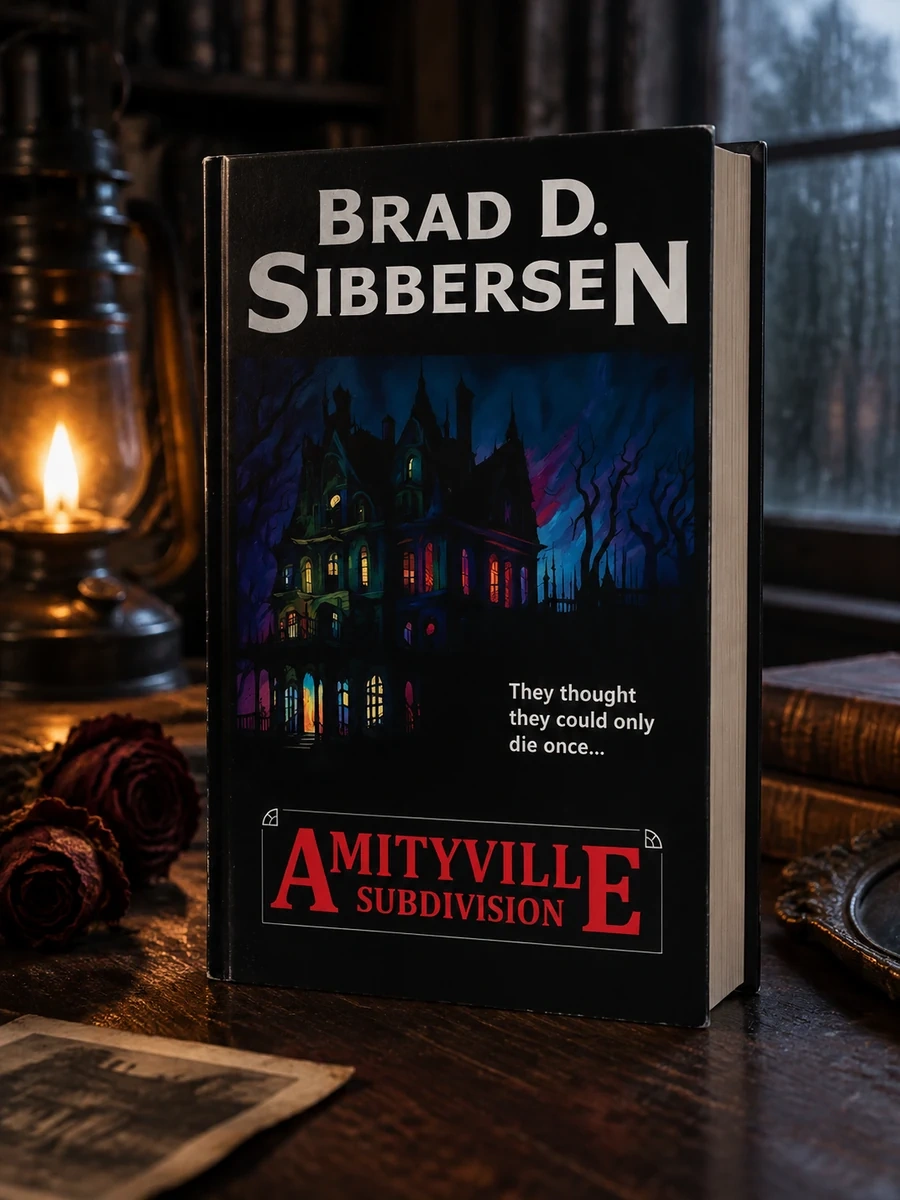
Harper Ketch uses a dead wife routine to pick up women. He carries a wedding ring and a photo of a stranger he found in trash. The woman in the picture, Samantha Martin, notices his deception. She confronts him through the lens of The Philip Phenomenon. Sibbersen writes about the consequences of this interaction. The story moves from Harper's sleazy tactics to his fear. It examines how using a real person's image for manipulation can backfire. The narrative does not offer redemption but rather retribution. Readers interested in modern horror involving psychic phenomena will find this premise compelling. Those preferring classic ghost stories might find the approach too focused on contemporary deceit.
Published by Inept Concepts in 2020, this book sits within modern horror fiction. It draws on the tradition of supernatural phenomena and haunted imagery. The narrative reflects contemporary anxieties about deception in relationships and the power of photographs.


📝 Description: The Philip Phenomenon
💎 Our verdict on The Philip Phenomenon
📖 Why choose it
Why this book is worth reading
Readers interested in psychological horror and the consequences of manipulation will find this premise compelling. The story examines how using a real person's image for personal gain can backfire through supernatural retribution. It appeals to those who enjoy tales where dishonesty triggers dangerous paranormal interactions rather than seeking classic ghost stories with traditional gothic elements. The focus on the escalation from sleazy tactics to fear offers a tight narrative on the dangers of exploiting others' memories.
⭐ Reader reviews
Reader rating
Sibbersen structures a tense exploration of deception and its supernatural fallout, centering on Harper Ketch’s calculated scheme to seduce women via feigned grief. The book excels in building dread as the protagonist realizes he has disturbed a dangerous force linked to the Philip Phenomenon. It suits fans of modern horror involving haunted photographs and psychic repercussions. However, those preferring atmospheric gothic settings or historical contexts may find the focus on contemporary deceit too narrow. The narrative avoids redemption, offering instead a stark look at retribution for moral corruption in romantic pursuits.