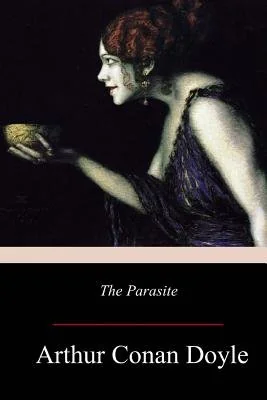
The Parasite
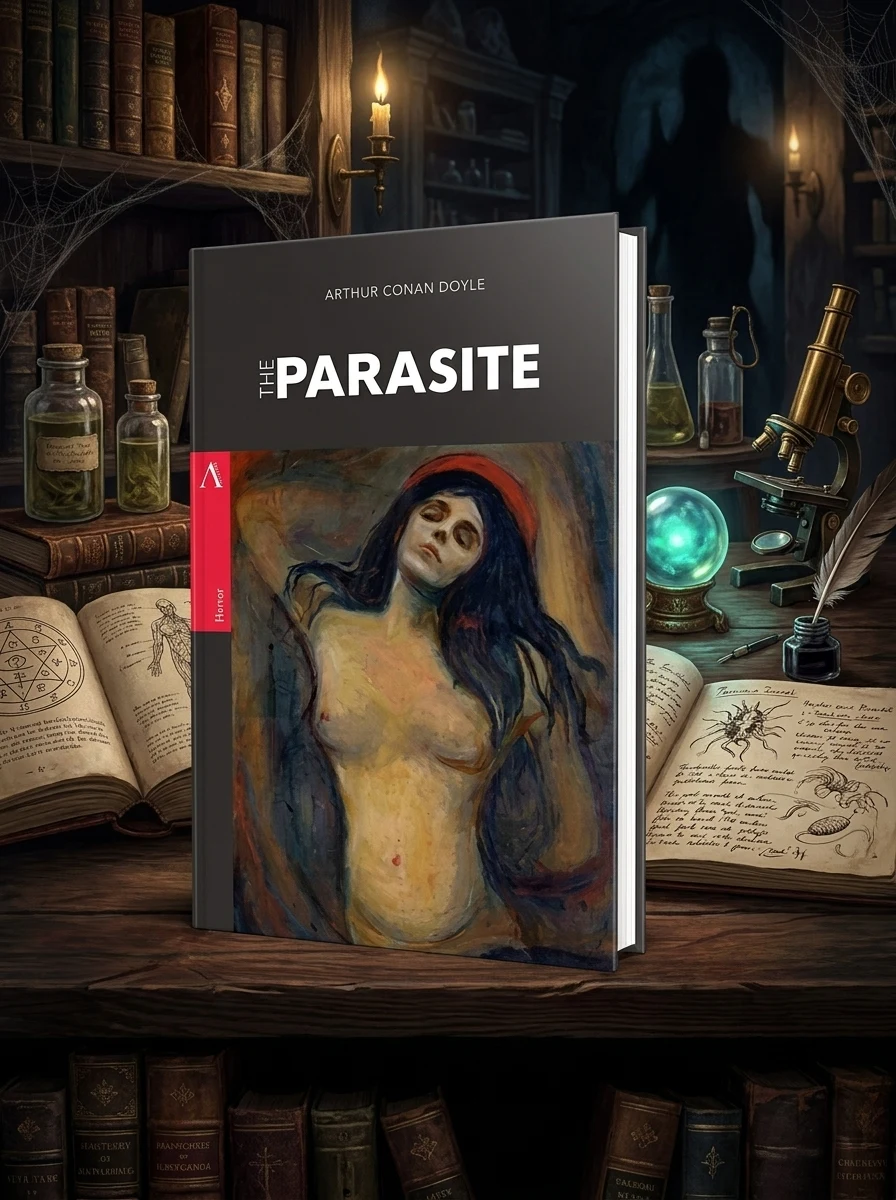
A physiology student falls victim to a psychic woman's obsessive control.
This narrative explores the vulnerability of rational minds when confronted with unexplained phenomena. Gilroy begins as an observer, documenting Miss Penclosa’s abilities for academic purposes. His detachment dissolves as she targets him directly. The story details how her powers override his will, forcing him to act against his nature. The horror stems not from ghosts, but from the loss of personal agency and the manipulation of human behavior through psychic means. The ending leaves Gilroy in a precarious position, highlighting the dangers of engaging with forces that defy logical explanation.
Arthur Conan Doyle wrote this during the late nineteenth century, a period marked by intense interest in spiritualism and the occult. The story reflects contemporary anxieties about the boundaries between science and supernatural belief, set against the backdrop of Victorian England's intellectual circles.


📝 Description: The Parasite
💎 Our verdict on The Parasite
📖 Why choose it
Why this book is worth reading
Readers interested in the intersection of science and the supernatural will find this narrative compelling. It appeals to those who enjoy psychological horror where the terror stems from the loss of personal agency rather than traditional ghosts. Fans of Arthur Conan Doyle’s lesser-known fiction will appreciate seeing his skepticism challenged by unexplained phenomena. The story offers a unique perspective on Victorian anxieties about psychic control and the vulnerability of rational minds, making it suitable for audiences seeking atmospheric tales that question the boundaries between logic and the occult.
⭐ Reader reviews
Reader rating
Doyle effectively explores the tension between empirical study and occult practice through Austin Gilroy’s harrowing experience. The narrative succeeds in portraying the erosion of autonomy under psychic influence, creating a sense of claustrophobic dread without relying on spectral imagery. The focus on physiological observation adds a layer of intellectual horror that distinguishes it from standard ghost stories. This book is best suited for readers who appreciate late Victorian Gothic fiction and psychological depth over action-oriented plots. It provides a chilling examination of how rational detachment can dissolve when confronted with forces that defy logical explanation, offering a sophisticated entry point into Doyle’s darker literary repertoire.
📖 Read on the blog
✍️ More books by this author Arthur Conan Doyle


🏛 Books from this publisher Createspace Independent Publishing Platform






You might also like
See more →


Have a question about this item?
Ask about the edition, condition, delivery or anything else — we reply by email or phone, usually within a day.
