Carmilla
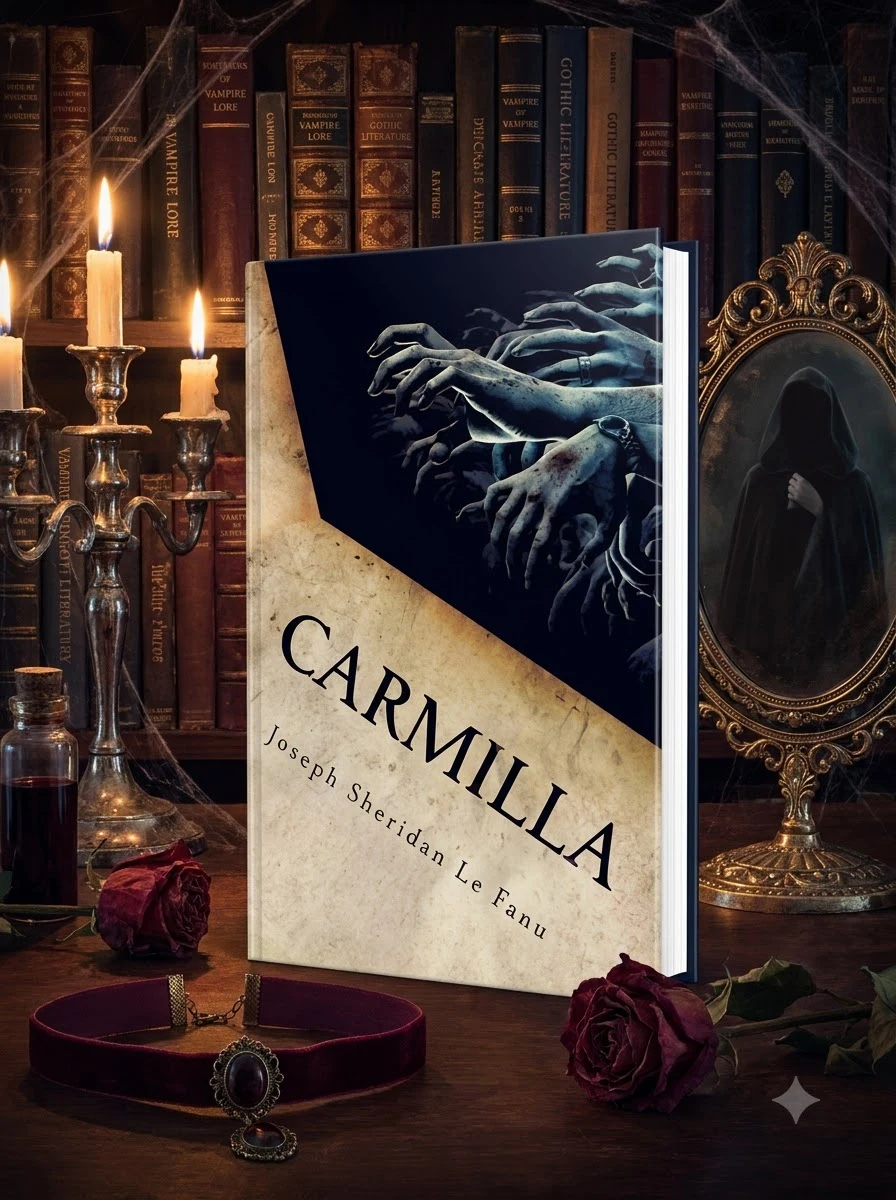
A Gothic novella about a young woman targeted by a female vampire.
This work examines the literary roots of vampire fiction through a specific narrative lens. The story focuses on the relationship between a vulnerable protagonist and an undead antagonist. It highlights the evolution of supernatural tales in the Victorian era. The text serves as a primary source for understanding how vampire myths were constructed before modern cinema reshaped them. Readers gain insight into the psychological aspects of fear and attraction that defined early Gothic writing. The narrative structure emphasizes atmosphere over plot twists. It stands as a historical document of horror literature rather than a modern thriller.
This novella was first published in 1872, placing it firmly in the Victorian literary period. It predates Bram Stoker's Dracula by twenty-five years. The work has been adapted for cinema multiple times, influencing later horror media and establishing key tropes of the genre.


📝 Description: Carmilla
💎 Our verdict on Carmilla
📖 Why choose it
Why this book is worth reading
Readers interested in the origins of horror and the evolution of vampire lore will find this novella essential. It serves as a primary source for understanding how supernatural tales were constructed in the Victorian era, focusing on psychological fear and attraction rather than modern thrills. Those who appreciate classic literature, atmospheric writing over plot twists, and historical documents of the genre will gain significant insight into early Gothic traditions. It is ideal for scholars or enthusiasts seeking to trace the roots of vampire fiction before it became a commercial staple.
⭐ Reader reviews
Reader rating
This novella excels in establishing the atmospheric tone that defines early Gothic horror, prioritizing mood over rapid action. By focusing on the psychological aspects of vulnerability and predatory attention, it offers a nuanced look at nineteenth-century supernatural beliefs. The text is best suited for readers who appreciate classic literature and historical context rather than contemporary fast-paced thrillers. Its value lies in its role as a historical document, illustrating how vampire myths were formed before cinematic adaptations. While it may not satisfy those seeking non-fiction or modern twists, it remains a vital work for understanding the literary roots of the genre.