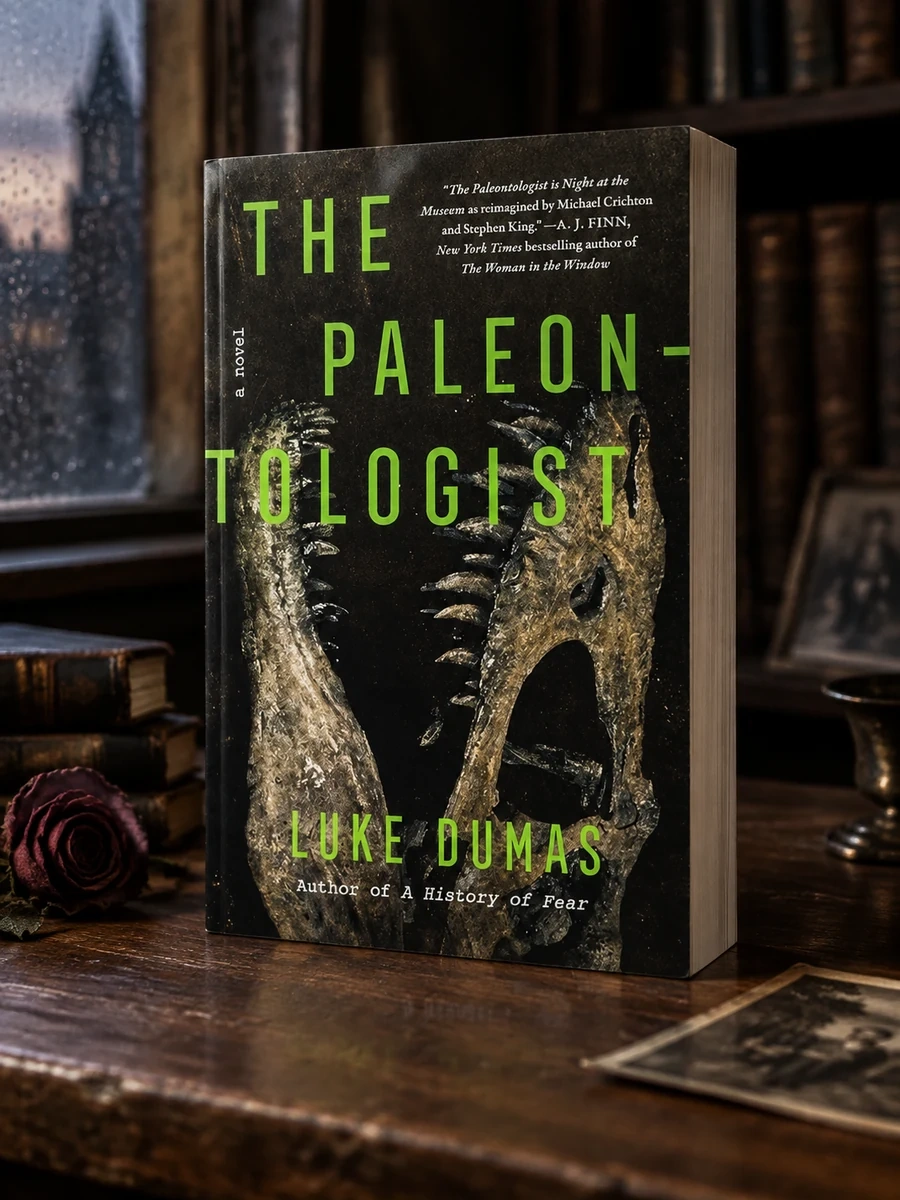

The Paleontologist
A paleontologist returns to a decaying museum to find his missing sister's bones.
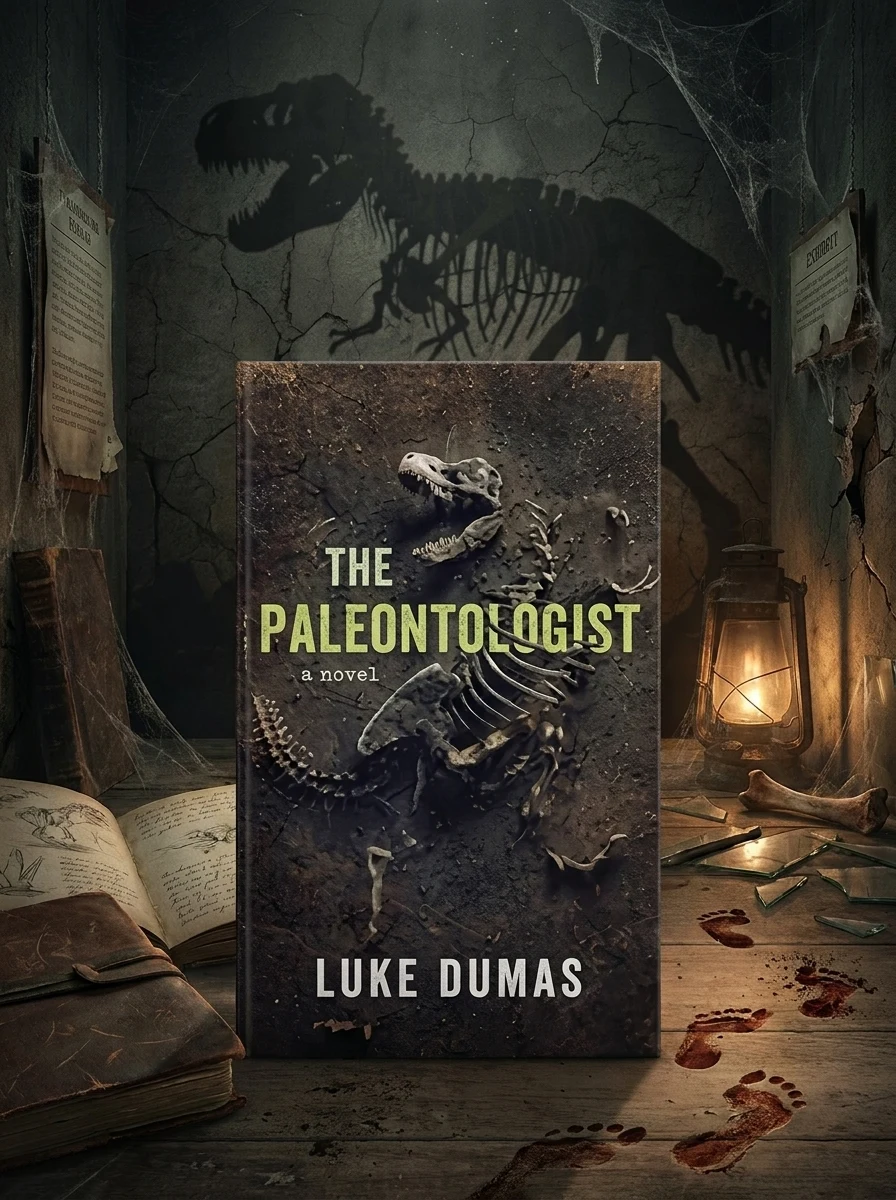
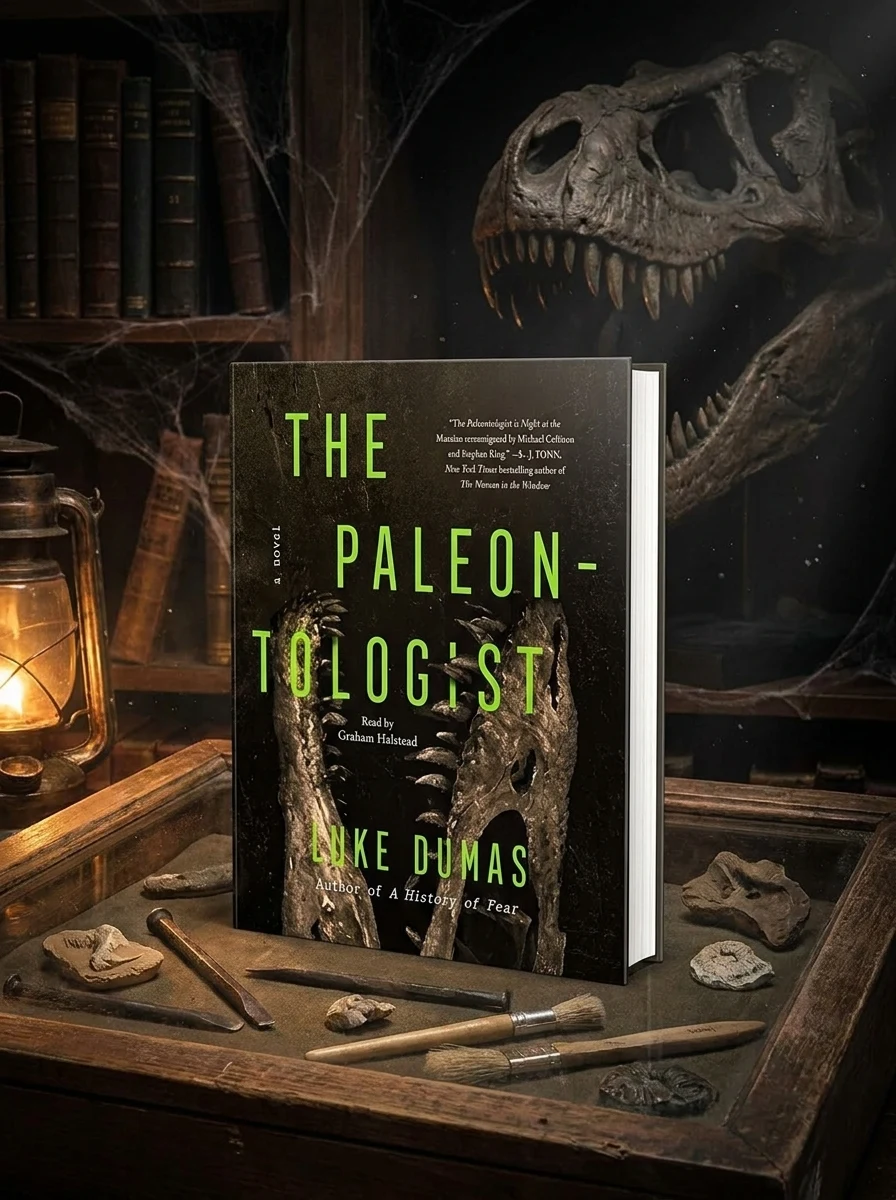
Simon Nealy is a curator of paleontology who has spent years running from the trauma of his childhood. His sister Morgan was abducted from the Hawthorne Museum of Natural History when he was just a boy. The guilt of that failure defines his life. Now, facing the death of his aunt and a broken relationship, he feels compelled to go back. He hopes to find the remains they never located. The museum is in disrepair and closed for health reasons. Financial ruin looms over the institution. Simon’s search leads him into a world where reality blurs. He hears voices and sees things that defy explanation. Dumas uses the setting of a dying institution to mirror Simon’s own fractured psyche. The story examines how past sins can resurface when one least expects them.
This novel is set in Pennsylvania and engages with the contemporary context of the pandemic, which serves as a backdrop for the museum's closure. It draws on the American gothic tradition of rural decay and the specific genre of paleontological horror, blending scientific curiosity with supernatural dread.


📝 Description: The Paleontologist
💎 Our verdict on The Paleontologist
📖 Why choose it
Why this book is worth reading
Readers who appreciate slow-burn atmospheric horror and character-driven mysteries will find significant value in this narrative. The book offers a compelling exploration of how past sins resurface, making it ideal for those interested in the intersection of scientific professionalism and psychological deterioration. It suits audiences who enjoy ambiguous tension over clear supernatural resolutions, providing a deep dive into themes of guilt, familial loss, and the haunting nature of memory. Those fascinated by the decay of institutions mirroring the human psyche will also engage deeply with the story's internal struggles.
⭐ Reader reviews
Reader rating
Luke Dumas crafts a compelling psychological horror narrative centered on Dr. Simon Nealy’s return to a crumbling museum. The author excels at using the setting’s physical decay to mirror the protagonist’s fractured psyche, creating a pervasive sense of dread. The slow-burn approach effectively builds tension through ambiguity and unexplained phenomena rather than relying on action. This work is best suited for readers who enjoy gothic fiction and supernatural mystery, particularly those interested in professional experts facing internal crises. While it may not appeal to those seeking fast-paced thrills, its atmospheric depth and focus on familial trauma make it a strong choice for fans of character-driven horror.
📖 Read on the blog
✍️ More books by this author Luke Dumas
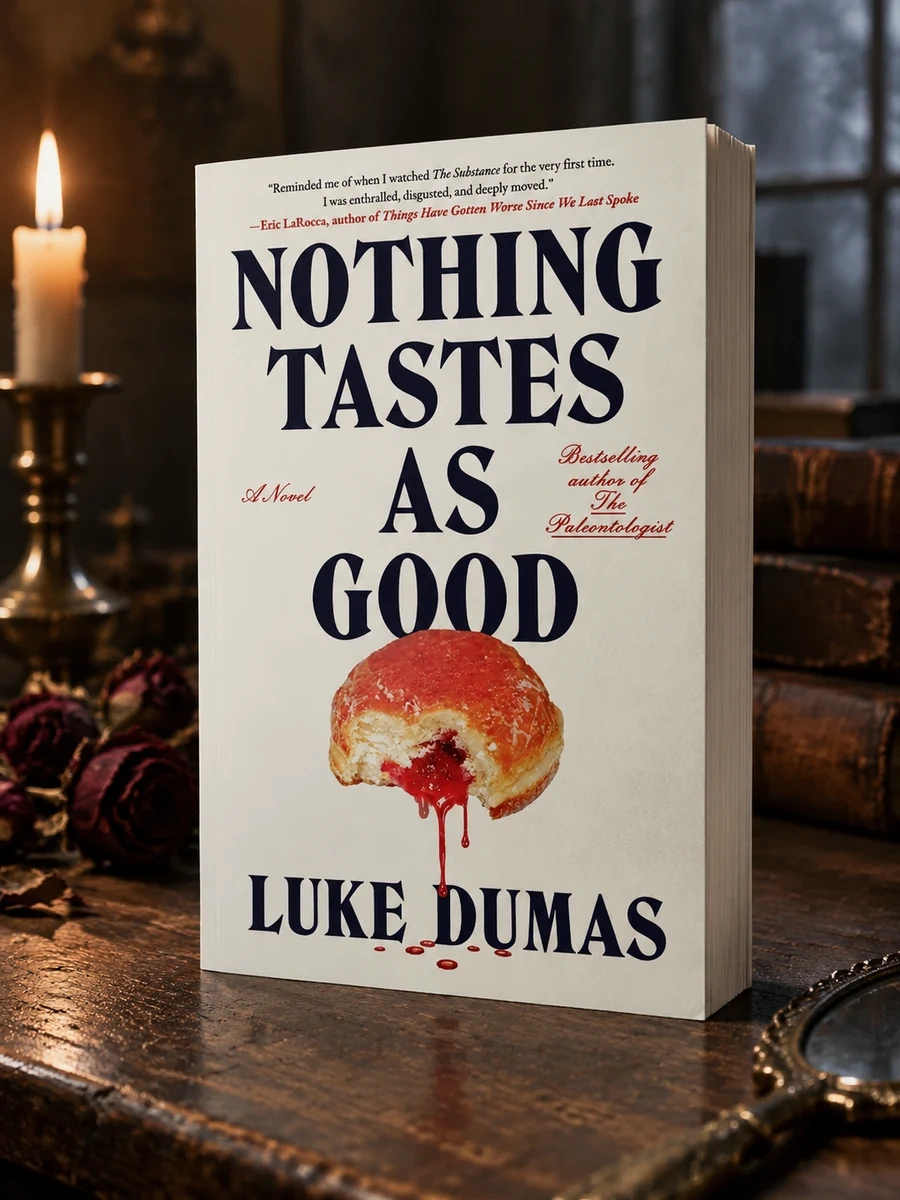


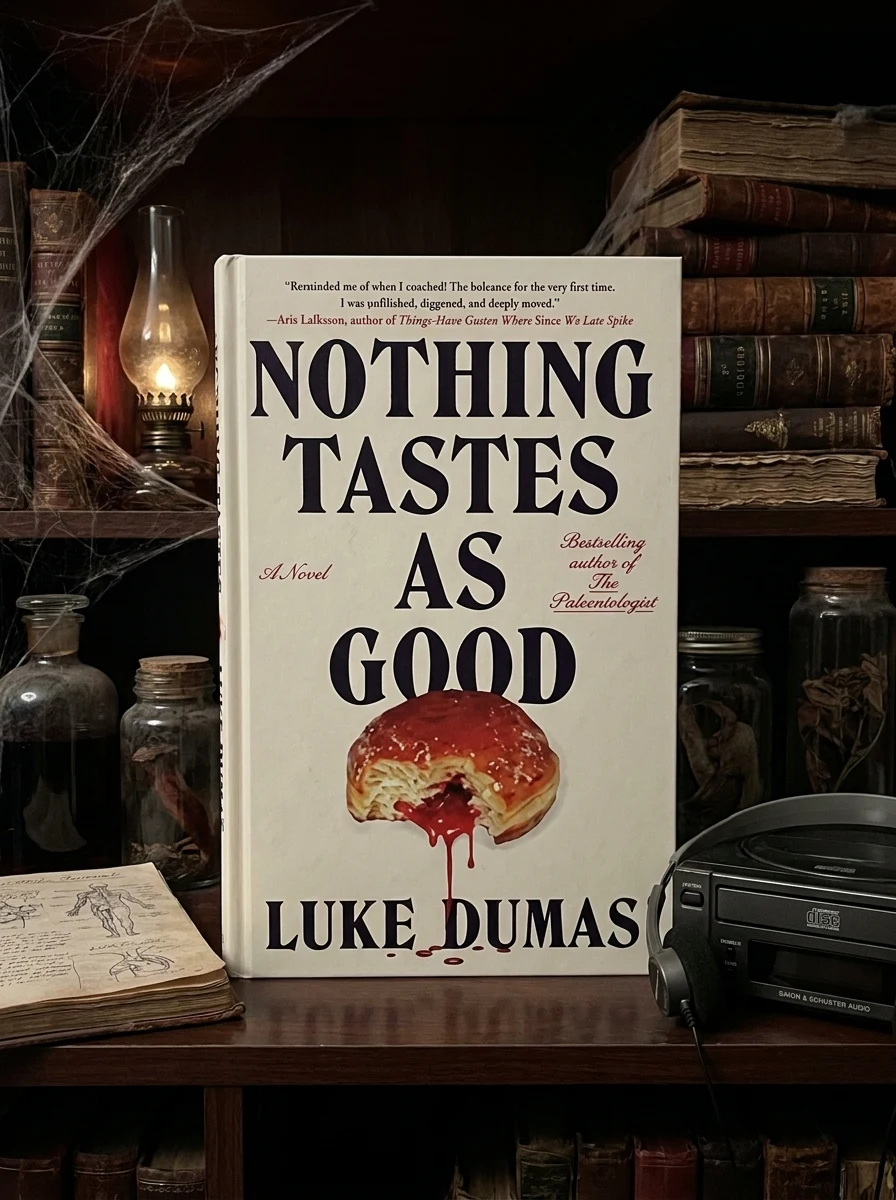
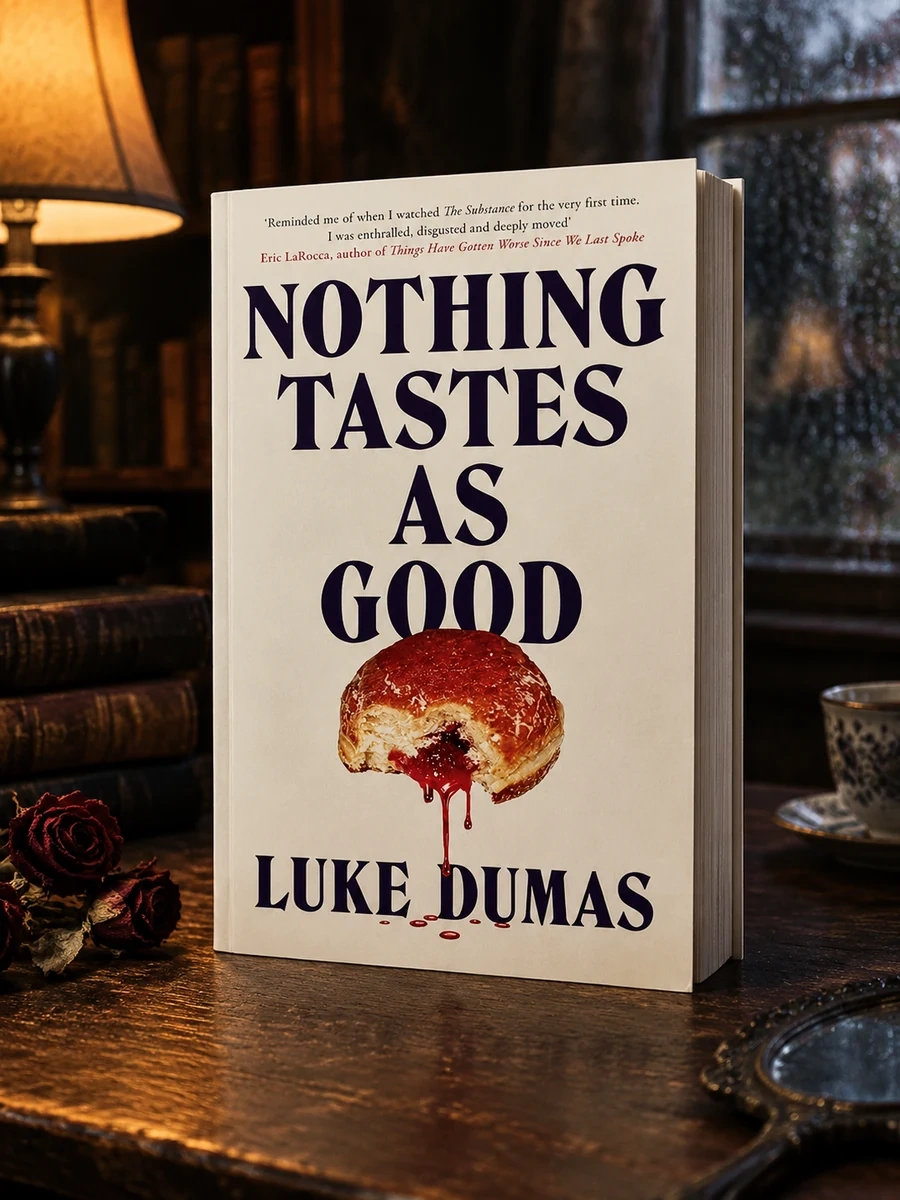
🏛 Books from this publisher Atria Books

You might also like
See more →


Have a question about this item?
Ask about the edition, condition, delivery or anything else — we reply by email or phone, usually within a day.
