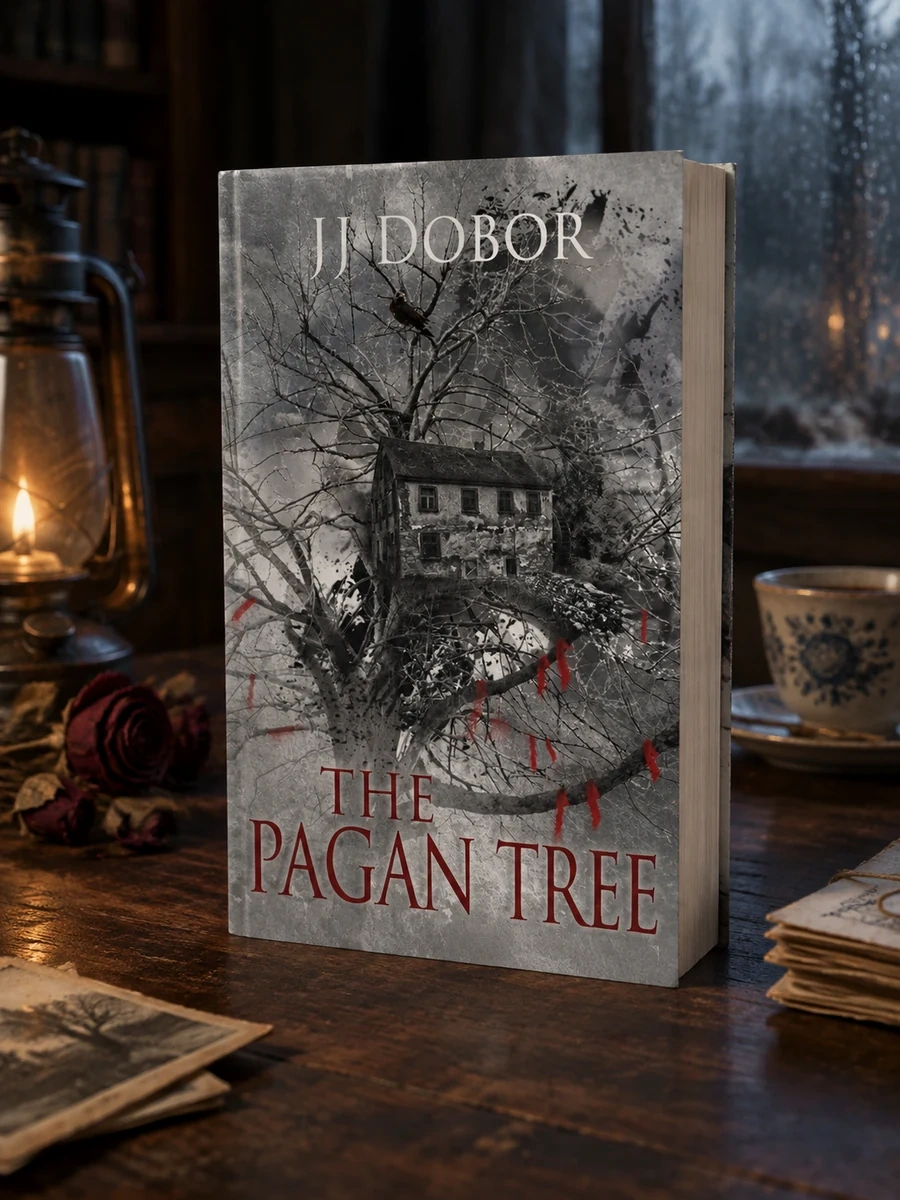
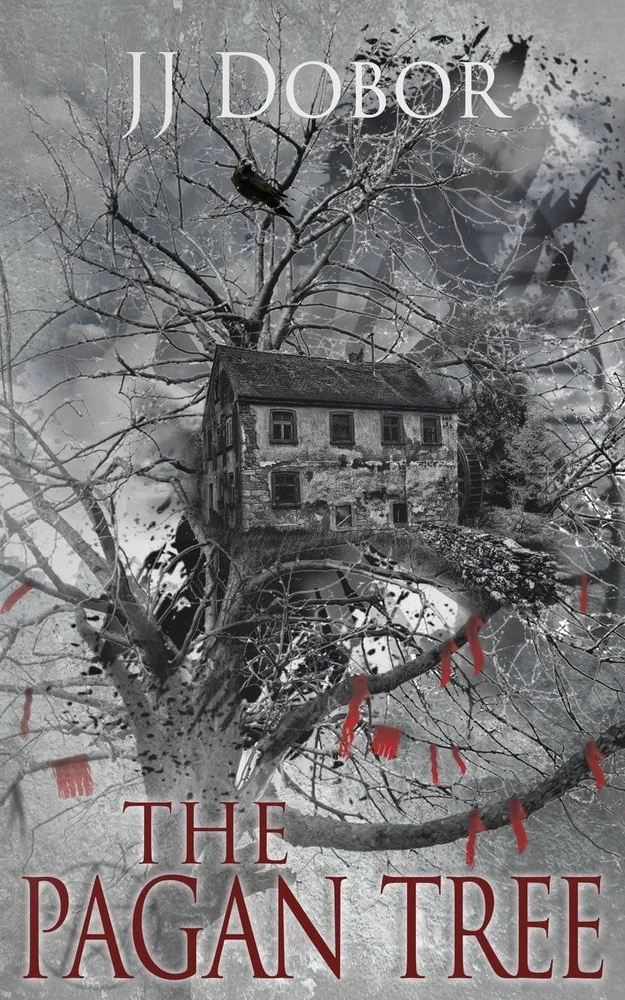
The Pagan Tree
A woman faces supernatural revenge in a Cornish house with a dark history.
Veronica Rowland arrives at Mill House hoping for peace after a broken marriage. She finds an ominous rag tree nearby, adorned with offerings to the lost. A hostile presence greets her immediately. Locals withhold the mill’s history, forcing Veronica to uncover the truth herself. She discovers an entity with a deep grudge. Her own secrets are revealed during this confrontation. The narrative tracks her struggle against forces tied to betrayal and tragedy. History repeats itself as her past actions resurface. The story emphasizes personal accountability and the inescapable nature of revenge.
The narrative is set in Cornwall, drawing on local Cornish traditions regarding ancient rag trees. These shrines serve as sites for tributes to the living and the dead. The setting provides a specific gothic atmosphere rooted in regional folklore and the isolation of rural hideaways.


📝 Description: The Pagan Tree
💎 Our verdict on The Pagan Tree
📖 Why choose it
Why this book is worth reading
Readers seeking a slow-burn exploration of tragedy and personal accountability will find this book compelling. It appeals to those who enjoy gothic fiction centered on haunted houses and the inescapable nature of revenge. The narrative offers a grounded look at how past actions resurface, anchored by specific imagery like the rag tree shrine. Those interested in the psychological toll of betrayal and the consequences of hidden secrets will appreciate the deep dive into Veronica’s confrontation with her history. It is ideal for fans of atmospheric horror who prefer character-driven plots over fast-paced action.
⭐ Reader reviews
Reader rating
This work effectively utilizes Cornish traditions to create an atmosphere of isolation and dread. The focus on a hostile presence within Mill House establishes a classic gothic tone, while the theme of supernatural revenge adds psychological depth. The narrative carefully tracks Veronica’s struggle against forces tied to betrayal, emphasizing personal accountability. It suits readers who appreciate grounded horror rooted in folklore rather than generic scares. The slow-burn exploration of tragedy allows for a thorough examination of how old wounds reopen. However, those seeking lighthearted romance or immediate thrills may find the pacing unsuitable. The book succeeds in its aim to present a chilling account of history repeating itself through personal survival.
You might also like
See more →







Have a question about this item?
Ask about the edition, condition, delivery or anything else — we reply by email or phone, usually within a day.
