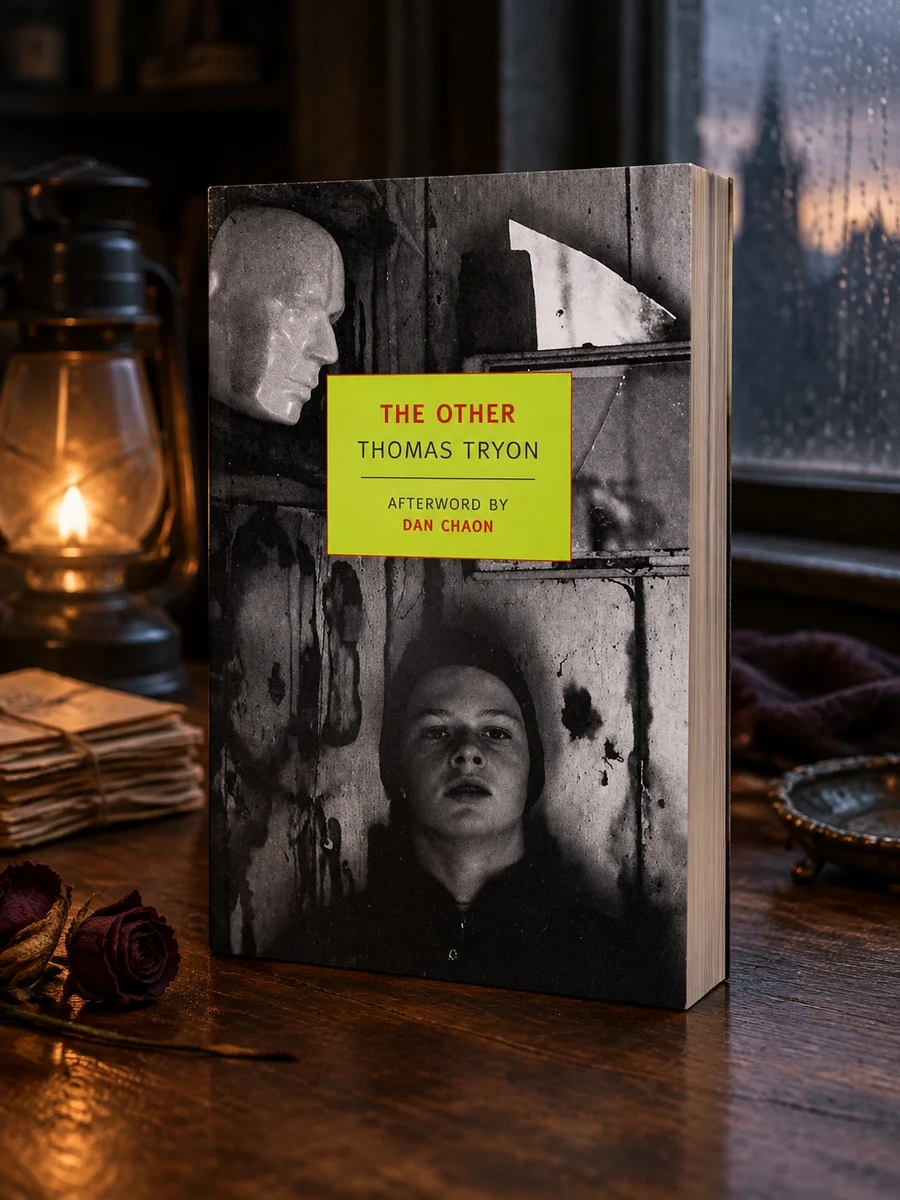
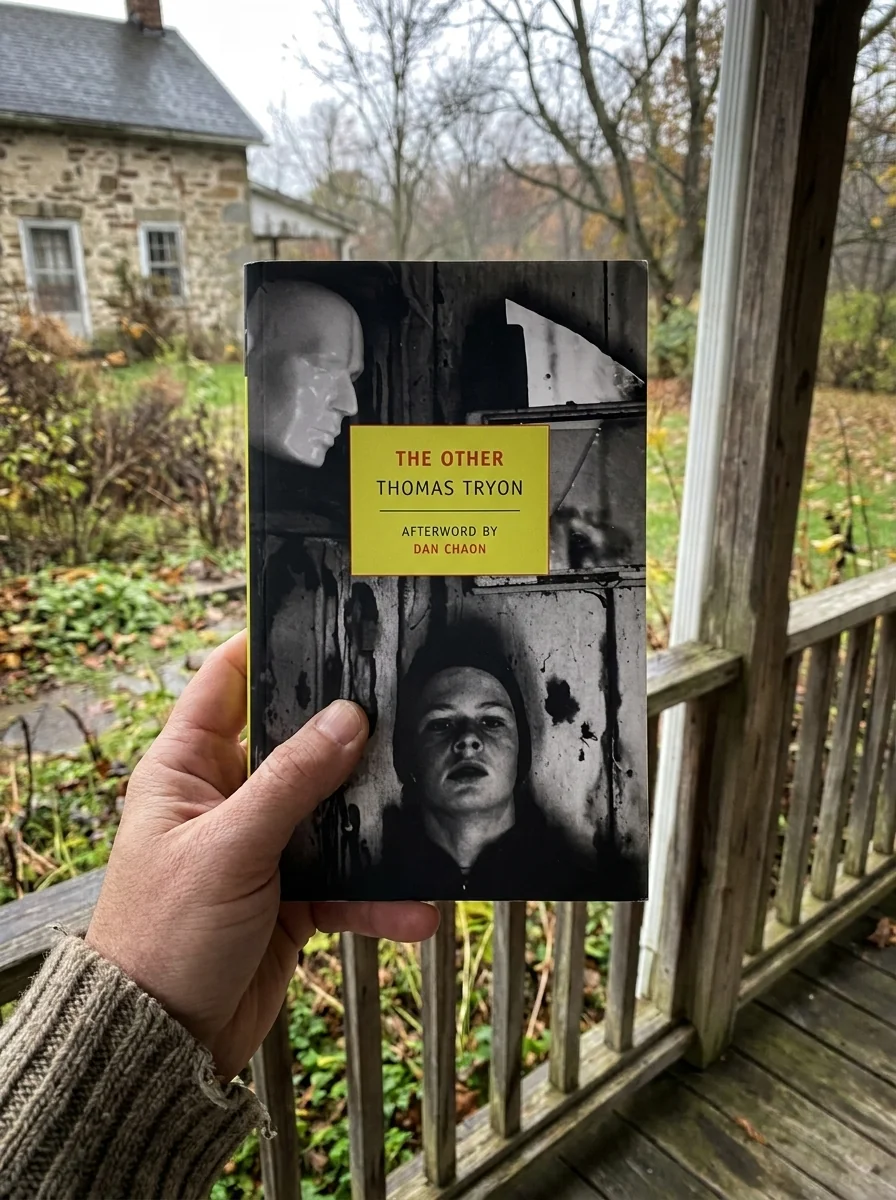

The Other
A twin drama exploring the dark side of familial bonds in rural New England.
The narrative focuses on the psychological deterioration of Niles Perry as his twin brother Holland’s behavior shifts from playful mischief to sinister acts. Set against the backdrop of a grieving family at their ancestral farm, the story highlights the contrast between Holland’s boldness and Niles’ desire to please. The text examines how isolation and grief can expose the latent darkness in human nature. Tryon uses the unique dynamic of identical twins who share thoughts to create a sense of claustrophobic dread. The plot does not rely on supernatural elements but rather on the terrifying reality of a brother’s transformation. This approach aligns the work with literary traditions that prioritize internal horror over external threats, making it a significant entry in the genre.
The novel is published by New York Review of Books in 2012. It draws on gothic and supernatural fiction traditions established by authors like Shirley Jackson and Robert Louis Stevenson. The setting in a centuries-old New England family home connects it to regional gothic literature that explores ancestral burdens and rural isolation.


📝 Description: The Other
💎 Our verdict on The Other
📖 Why choose it
Why this book is worth reading
Readers seeking character-driven dread and literary depth will find this narrative compelling. It appeals to those who appreciate the tension between shared consciousness and divergent natures in identical twins. The story offers a claustrophobic examination of how isolation and grief expose latent darkness, making it ideal for fans of gothic fiction and supernatural themes. Those interested in the psychological deterioration of characters rather than fast-paced action will gain much from this exploration of familial bonds and homegrown monsters.
⭐ Reader reviews
Reader rating
Tryon crafts a terrifying portrait of twin dynamics where shared thoughts create claustrophobic dread without relying on supernatural elements. The contrast between Holland’s bold mischief and Niles’ desire to please builds an eerie atmosphere rooted in reality. This approach highlights the darkness within everyone through the lens of a grieving family at their ancestral farm. It suits readers who value internal horror over external threats, though those seeking clear moral resolutions or rapid plot movement may find it less engaging. A significant entry in psychological horror that examines human nature’s latent evil.
📖 Read on the blog
📖 From the series “New York Review Books Classics”


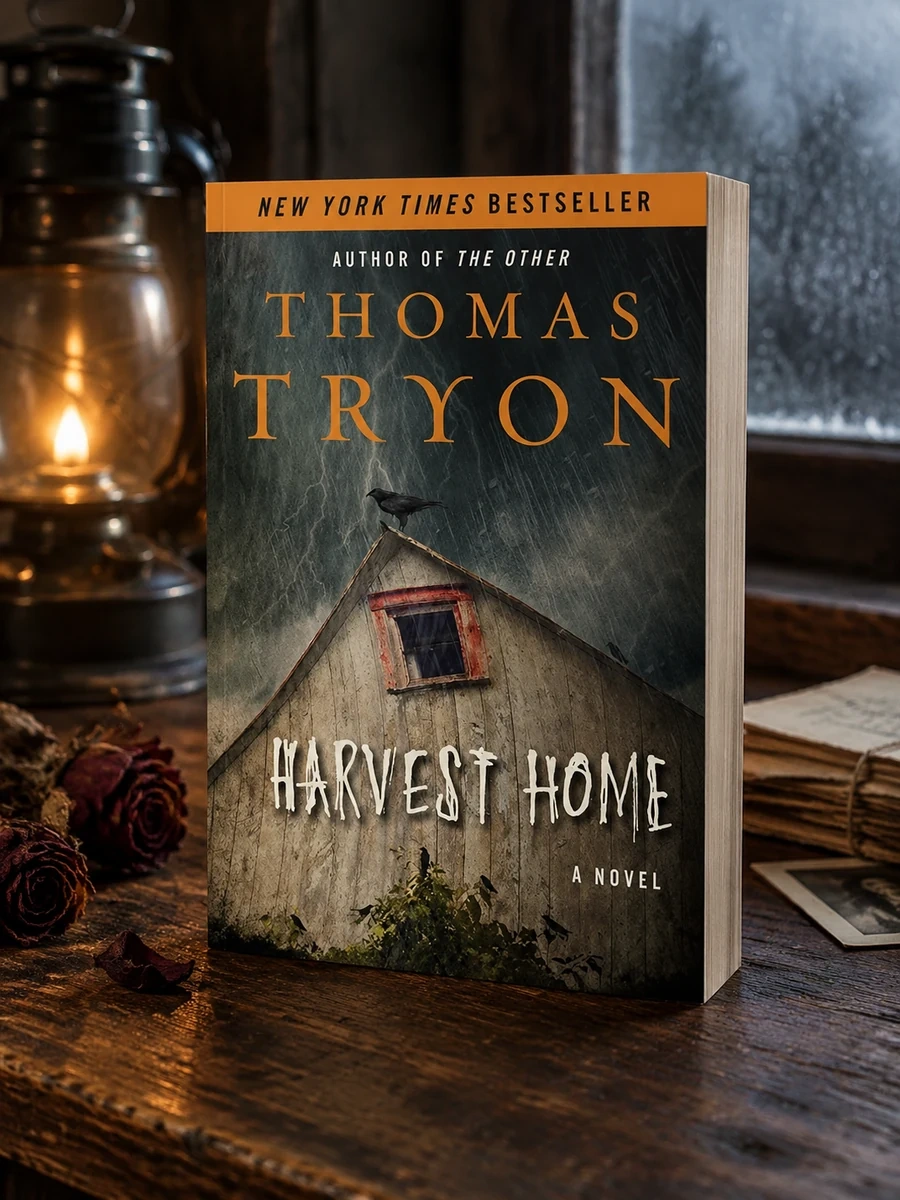
✍️ More books by this author Thomas Tryon
🏛 Books from this publisher New York Review of Books
You might also like
See more →

Have a question about this item?
Ask about the edition, condition, delivery or anything else — we reply by email or phone, usually within a day.
