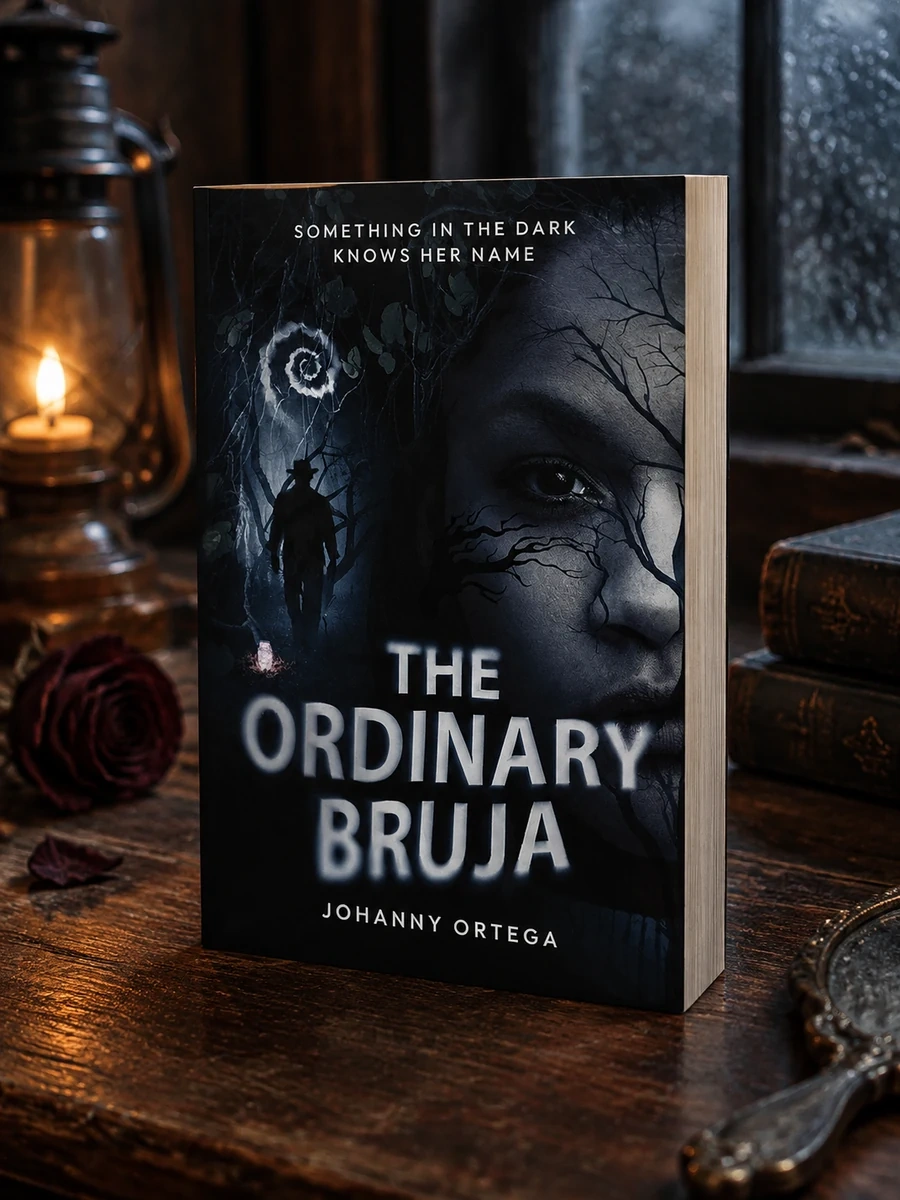
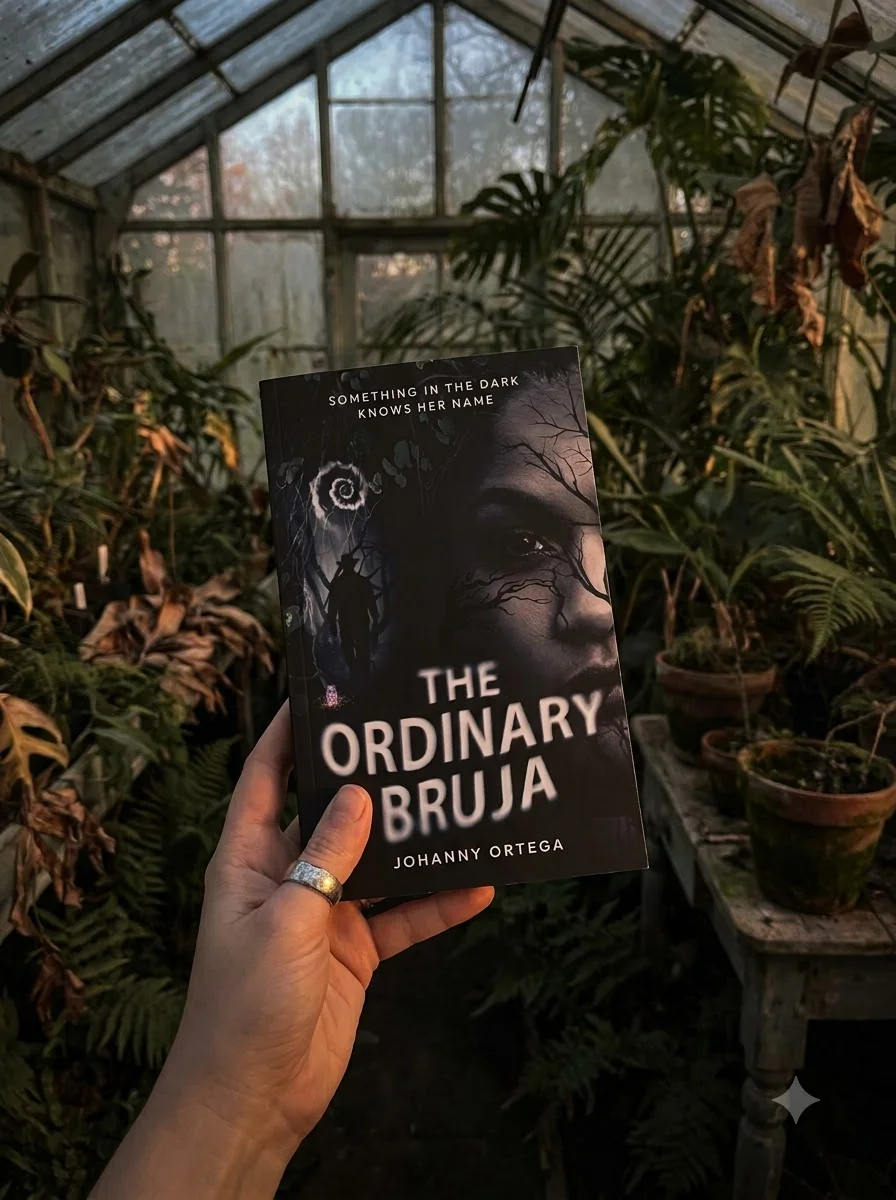
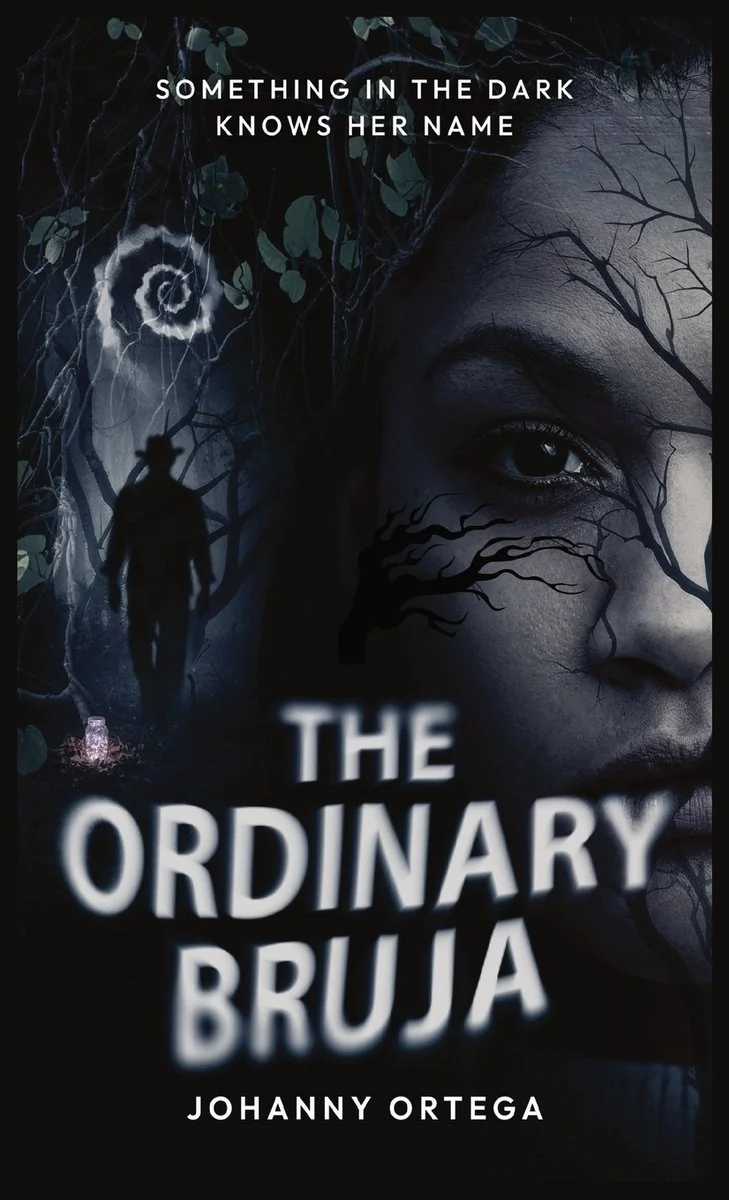
The Ordinary Bruja: Marisol's Story
A Dominican woman confronts a ghost feeding on doubt in Ohio.
Ortega presents a coming-of-age story where supernatural elements mirror internal struggles. The plot centers on Marisol Espinal, who believes she is ordinary until dark forces reveal themselves. Her family's magic was silenced by Salvador, whose spirit now hunts her. The narrative relies on her mother's journal to uncover the past. Themes include the reality of assimilation and the weight of secrets. Cultural elements like Taíno mysticism inform the magical system. The tone remains emotionally charged rather than purely terrifying. Readers interested in Mexican Gothic or The Inheritance of Orquídea Divina will find parallels here. The story focuses on the quiet ache of literary realism mixed with horror. It does not offer easy answers about identity or heritage.
The novel is rooted in Dominican folklore and Taíno mysticism, set against the backdrop of American assimilation. It draws on social horror to examine how cultural power is suppressed and reclaimed through blood and memory.


📝 Description: The Ordinary Bruja: Marisol's Story
💎 Our verdict on The Ordinary Bruja: Marisol's Story
📖 Why choose it
Why this book is worth reading
Readers seeking atmospheric literary fiction grounded in deep cultural specificity will find this book compelling. It offers a nuanced exploration of identity, heritage, and the quiet ache of assimilation rather than relying on jump scares or fast-paced action. Those interested in how secrets rot across generations and geographies will appreciate the emotional depth. The narrative provides a unique perspective on Dominican folklore and Taíno mysticism, woven into a story about reclaiming selfhood. It is ideal for audiences who enjoy psychological horror that mirrors internal struggles against external societal pressures.
⭐ Reader reviews
Reader rating
Ortega crafts a haunting tale where supernatural entities manifest as manifestations of doubt and generational trauma. The tone is emotionally charged, prioritizing the quiet dread of cultural erasure over traditional terror. Marisol’s journey to uncover her family’s silenced magic serves as a powerful metaphor for reclamation. The book excels in blending literary realism with horror, creating a sense of creeping unease rooted in real-world social dynamics. It suits readers who appreciate complex characters and thematic richness. While it may not satisfy those seeking pure adrenaline or straightforward ghost stories, its exploration of queer identity and ancestral bonds offers profound resonance for the right audience.
You might also like
See more →






Have a question about this item?
Ask about the edition, condition, delivery or anything else — we reply by email or phone, usually within a day.
