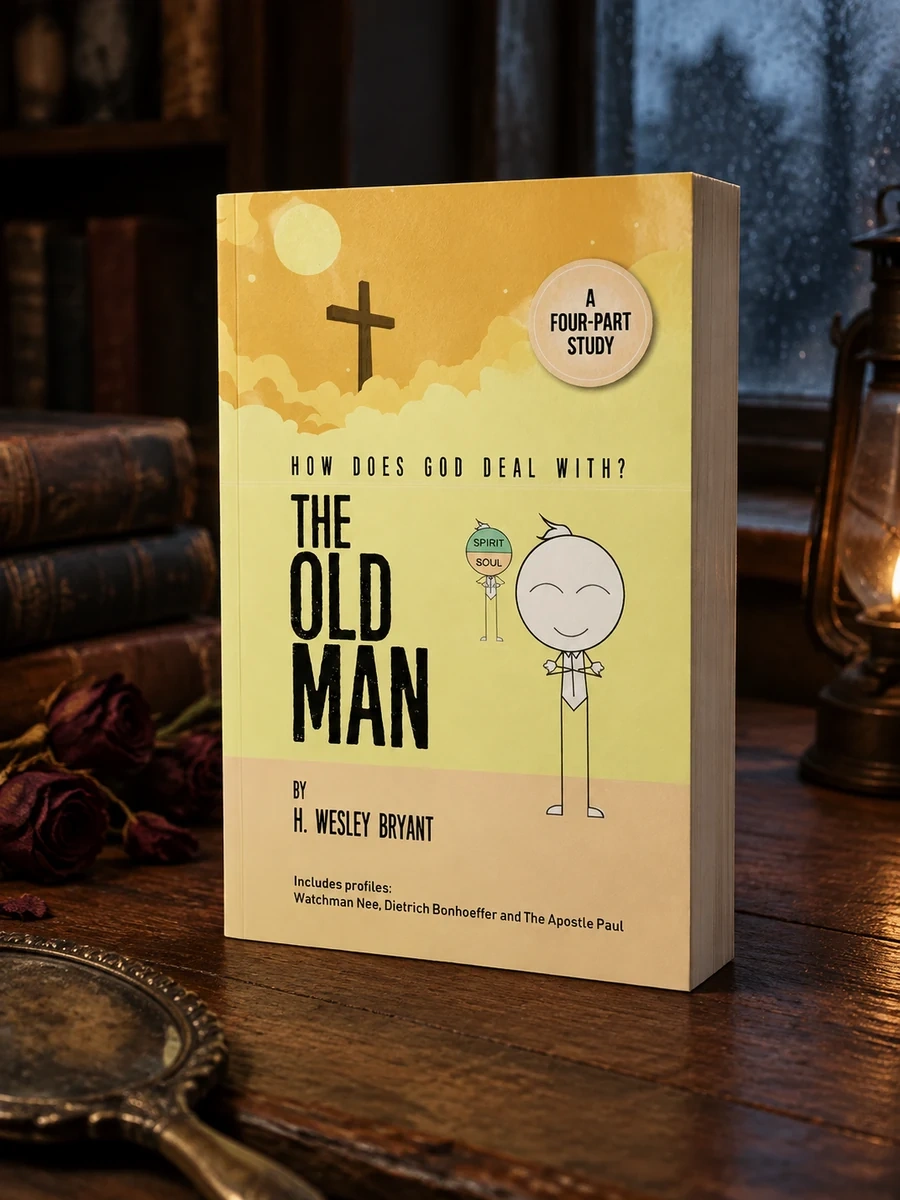
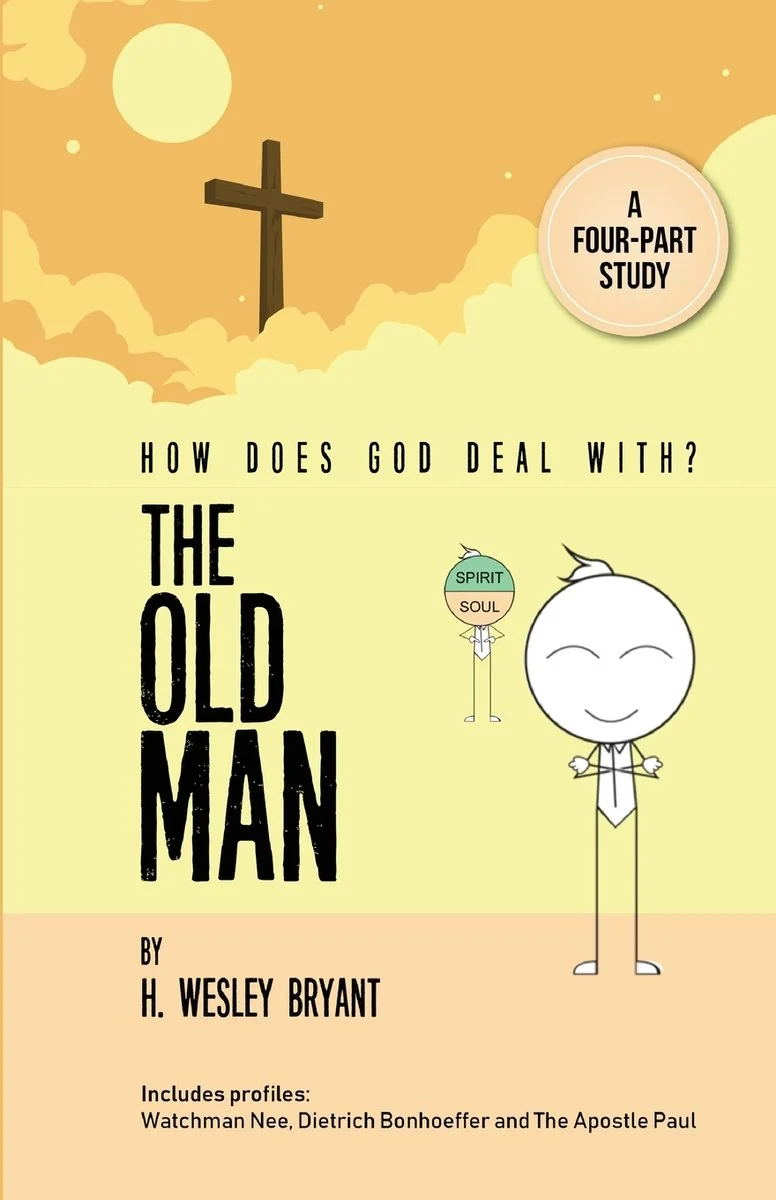
The Old Man: A Four-Part Study
A four-part study on breaking away from the law of sin through an aging recluse's memories.
The narrative centers on an elderly man living in isolation, whose internal monologue reveals a life defined by regret and loss. Bryant uses this perspective to explore how time alters memory and perception. The text does not offer easy answers but rather presents a complex portrait of solitude. The four-part structure organizes these reflections into a cohesive whole, allowing the reader to observe the gradual unraveling or acceptance of the protagonist's past. This approach creates a dense, atmospheric experience that prioritizes emotional resonance over external events.
Published in 2026 by H. Wesley Bryant, this work sits within the tradition of introspective literary fiction. It draws on themes of mortality and solitude common in character-driven narratives that prioritize internal psychological landscapes over external action.


📝 Description: The Old Man: A Four-Part Study
💎 Our verdict on The Old Man: A Four-Part Study
📖 Why choose it
Why this book is worth reading
Readers who appreciate dense, atmospheric prose and philosophical inquiry will find value in this introspective examination of an isolated mind. This book suits those interested in the intersection of horror fiction and literary character studies, offering a quiet, serious exploration of aging and spiritual struggle. It is ideal for audiences seeking reflective prose over plot-heavy action, providing emotional resonance through the gradual unraveling of memory and perception. Those drawn to cosmic or psychological horror that prioritizes internal landscapes over external events will discover a complex portrait of solitude and regret within its pages.
⭐ Reader reviews
Reader rating
H Wesley Bryant constructs a dense, atmospheric experience that prioritizes emotional resonance over external events in this four-part study. By focusing on an aging recluse's memories, the narrative explores how time alters perception, creating a cohesive whole through fragmented reflections. The text functions as a meditation on solitude and mortality, relying on character-driven fiction rather than traditional genre conventions. While it may not appeal to those preferring fast-paced plots, it offers profound value for fans of literary horror. Bryant’s poetic language guides the audience through loss and fleeting beauty, resulting in a serious exploration of the human condition that rewards patience with deep psychological insight.
You might also like
See more →







Have a question about this item?
Ask about the edition, condition, delivery or anything else — we reply by email or phone, usually within a day.
