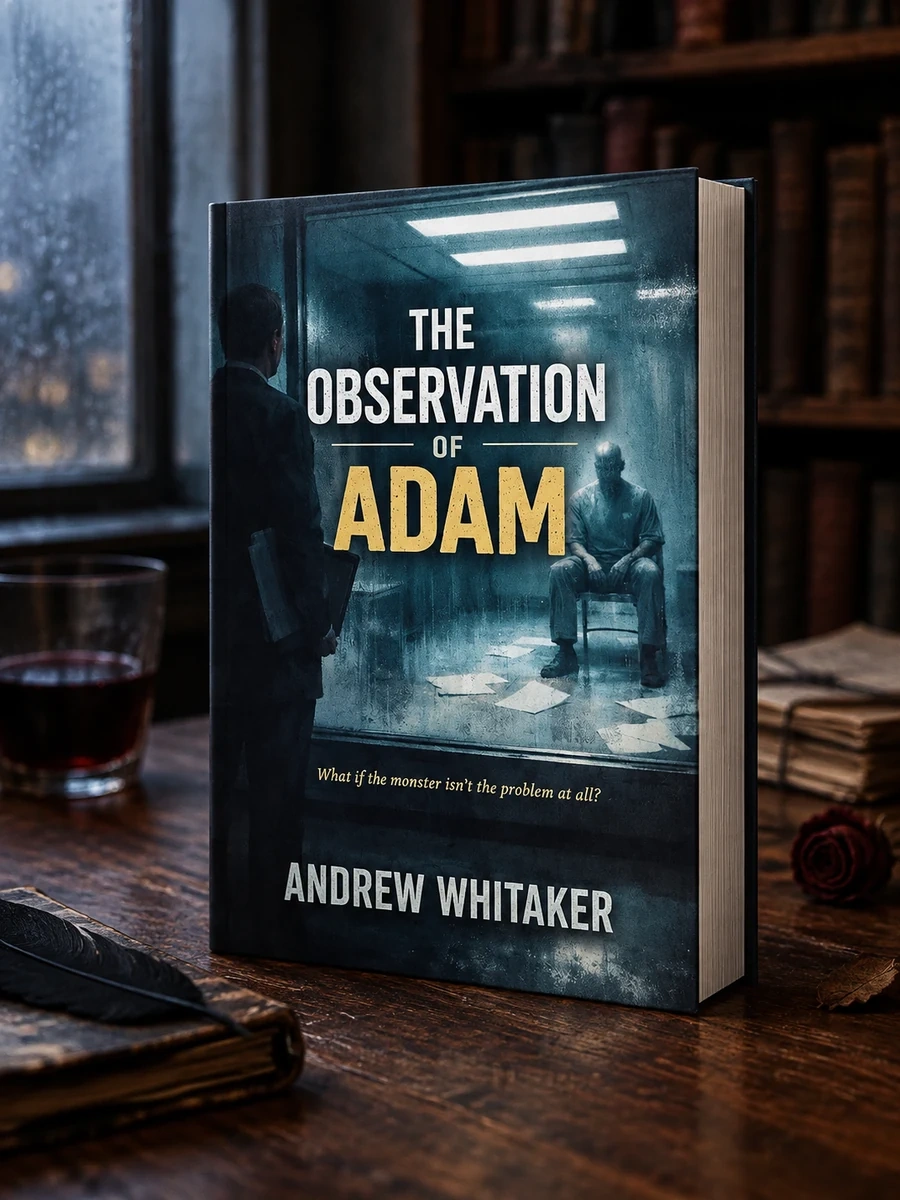
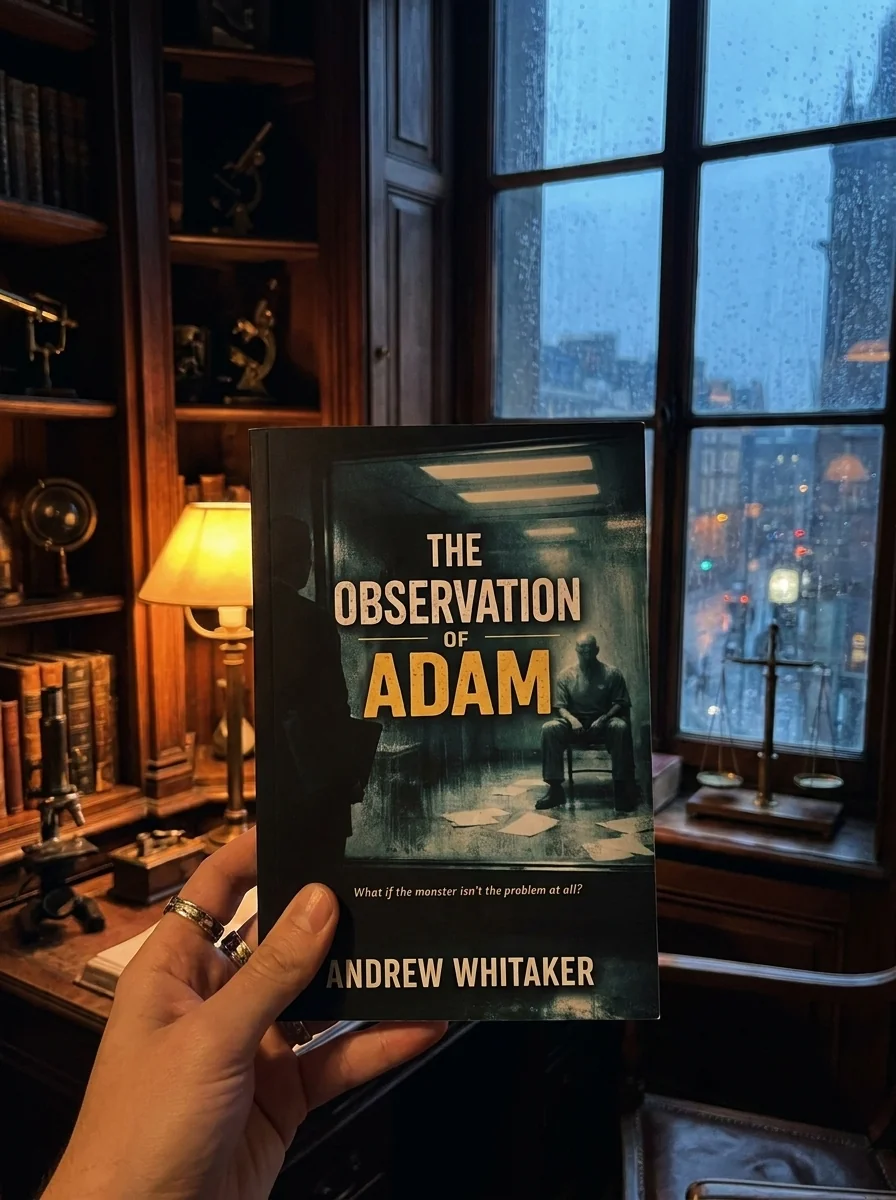
THE OBSERVATION of ADAM
A darkly comic retelling where compliance causes the containment system to fail.
Whitaker updates the Frankenstein tale using institutional monitoring as a focus. Adam is built to be observed. Victor changes from maker to scientist under tight rules. The conflict comes from following instructions, not violence. As Adam acts correctly, the organization falls apart. The story shows how courtesy hides control. It criticizes systems that value order more than people. The city's response to secret facts moves the plot ahead.
This work sits within the tradition of gothic and supernatural fiction. It reinterprets Mary Shelley’s Frankenstein for a modern audience. The setting involves a prestigious institution and an unnamed city. The narrative focuses on the psychological impact of observation rather than physical horror.


📝 Description: THE OBSERVATION of ADAM
💎 Our verdict on THE OBSERVATION of ADAM
📖 Why choose it
Why this book is worth reading
Readers who appreciate darkly comic retellings of classic literature will find this novel particularly engaging, as it subverts traditional horror tropes by focusing on psychological and systemic tension rather than visceral violence. It appeals to those interested in cosmic and psychological horror, offering a nuanced exploration of how courtesy can mask control within rigid organizational structures. The book is ideal for audiences who enjoy gothic tales where the true threat emerges from compliance and institutional failure rather than monstrous aggression. By examining the dynamics between creator and creation under tight but gentle rules, it invites reflection on spying, power, and duty. Those seeking subtle horror that critiques systems valuing order over people will discover a thought-provoking narrative that leaves lingering questions about silence and blame without offering simple answers.
⭐ Reader reviews
Reader rating
Whitaker delivers a sophisticated inversion of the Frankenstein narrative, where the horror stems from bureaucratic precision rather than chaotic monstrosity. The protagonist’s polite adherence to rules inadvertently dismantles the containment system, creating a unique tension that critiques institutional power. This approach suits readers who prefer psychological depth and gothic atmosphere over standard monster scares. The writing effectively mirrors the collapsing order, making the structural decay palpable. While it may feel too subtle for those seeking obvious threats or simple moral binaries, it rewards attentive readers with a witty, unsettling commentary on surveillance and control. It stands as a compelling entry in dark fantasy that challenges conventional horror expectations through its focus on quiet guilt and systemic failure.
📖 Read on the blog
✍️ More books by this author Andrew Whitaker



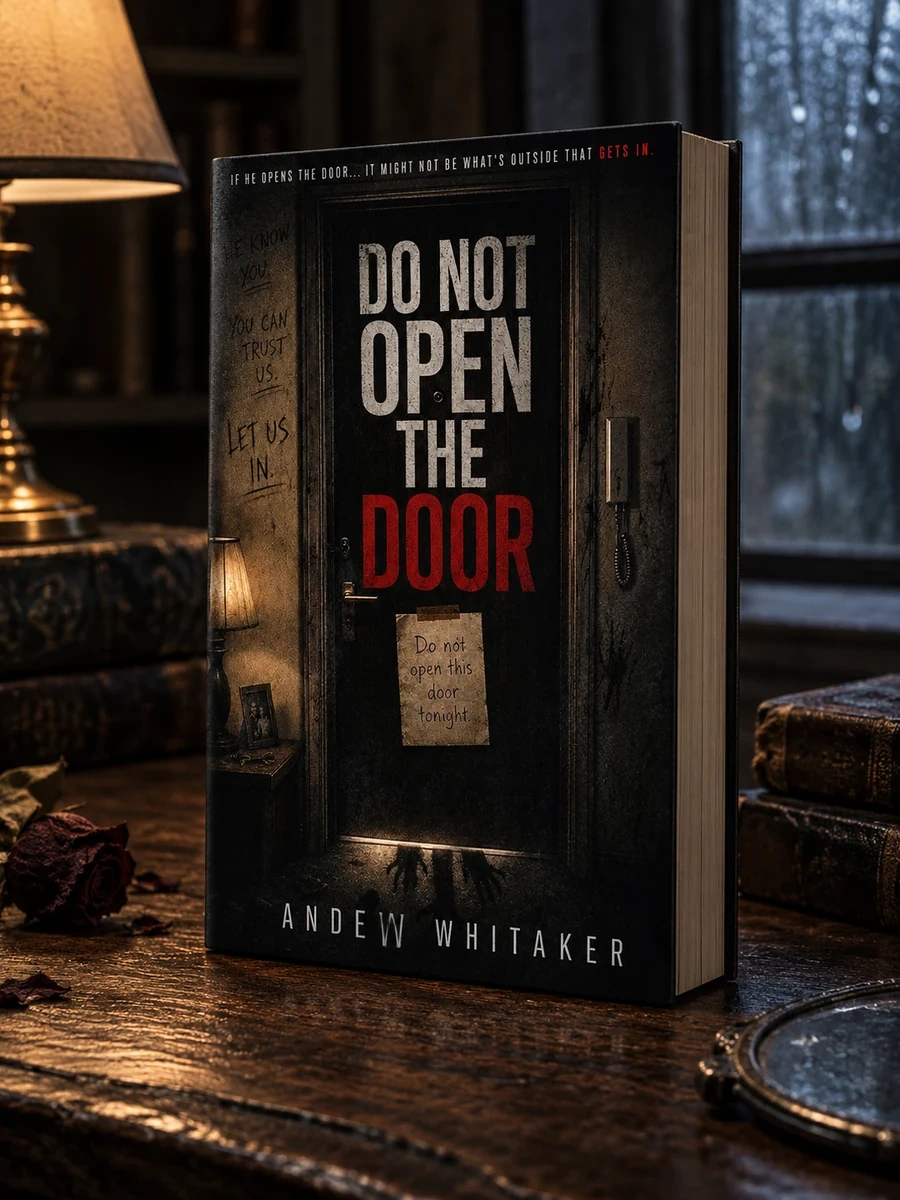
🏛 Books from this publisher Independently Published






You might also like
See more →


Have a question about this item?
Ask about the edition, condition, delivery or anything else — we reply by email or phone, usually within a day.
