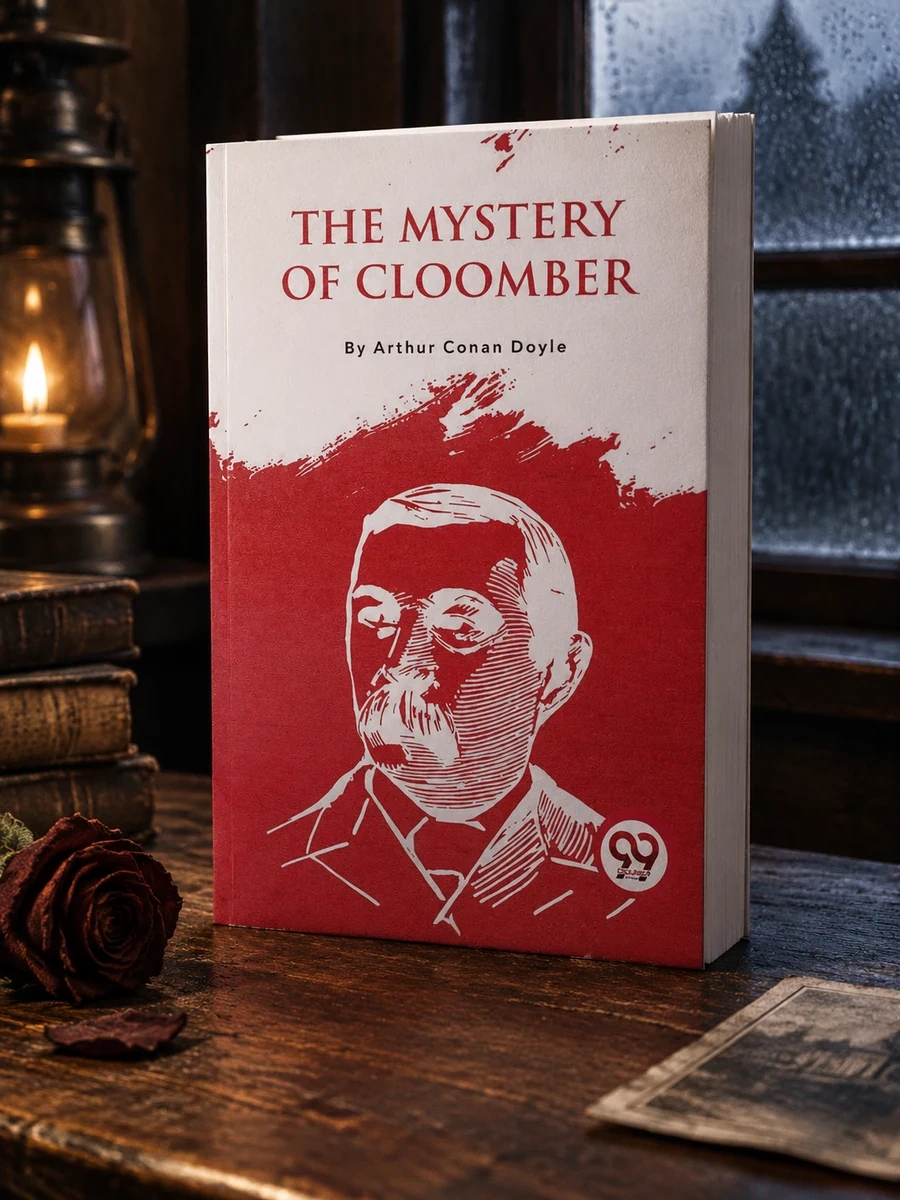

The Mystery Of Cloomber
A 1888 gothic tale by Conan Doyle featuring a haunted hall and vengeful priests.
This account follows John Fothergill West as he relocates to manage William Farintosh's estate. The proximity of Cloomber Hall introduces General Heatherstone, whose mental state deteriorates due to fear. Strange auditory phenomena accompany his paranoia, which follows a specific annual cycle. The arrival of shipwrecked Buddhist priests clarifies the source of the disturbance. Their use of an astral bell serves as a direct threat to the general. The plot connects personal anxiety with supernatural retribution through these specific events.
Published in 1888 by the Pall Mall Gazette, this work reflects late Victorian interests in Eastern religions and colonial experiences. Doyle draws on Indian Army backgrounds and Buddhist practices to create a unique supernatural atmosphere distinct from traditional Western ghost stories.


📝 Description: The Mystery Of Cloomber
💎 Our verdict on The Mystery Of Cloomber
📖 Why choose it
Why this book is worth reading
Readers seeking atmospheric late Victorian gothic fiction will find this tale compelling for its unique blend of psychological dread and supernatural retribution. It appeals to those interested in the specific intersection of colonial anxiety and spiritualism, offering a slow-burn narrative rather than immediate action. Fans of Arthur Conan Doyle who prefer his less famous, eerie works over his scientific deductions will appreciate the focus on personal observation and local rumor. The story provides a distinct alternative to modern horror tropes, grounding its terror in the deterioration of a specific character's mental state. It is ideal for audiences who enjoy tales where the supernatural serves as a direct consequence of past actions, delivered through a lens of historical realism and subtle unease rather than overt monster attacks.
⭐ Reader reviews
Reader rating
The narrative excels in building a claustrophobic atmosphere through General Heatherstone’s deteriorating mental state. Doyle effectively utilizes the annual cycle of fear and the mysterious astral bell to create tension without relying on jump scares. The introduction of the Buddhist chelas adds a layer of cultural complexity often absent in contemporary ghost stories. While it lacks fast-paced action, the psychological depth satisfies readers who prefer slow-burn horror. The reliance on rumor over deduction creates an authentic sense of mystery. It is best suited for those who appreciate historical context and atmospheric dread. However, readers expecting Sherlock Holmes-style logic may find the resolution frustratingly vague. Overall, it stands as a solid example of Victorian supernatural fiction that prioritizes mood and consequence over plot twists.
📖 Read on the blog
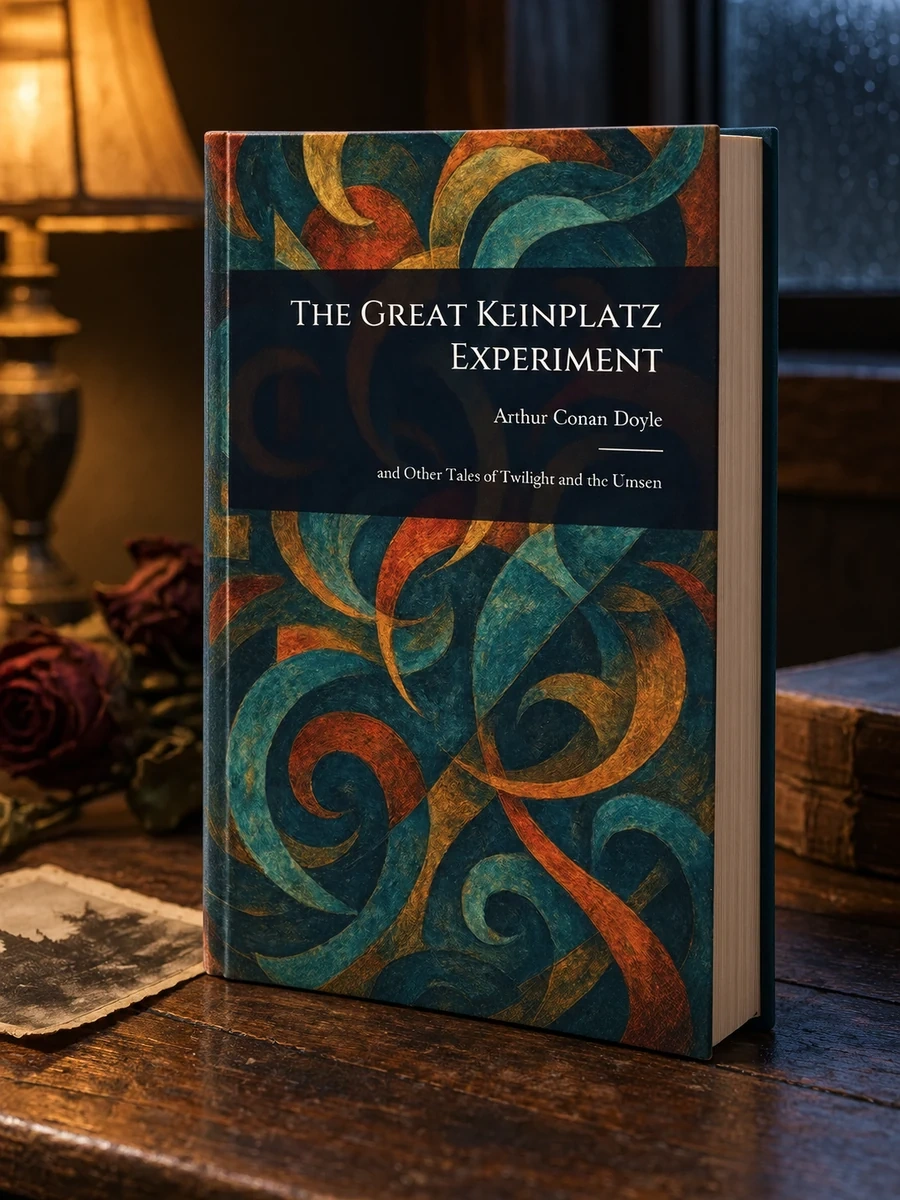
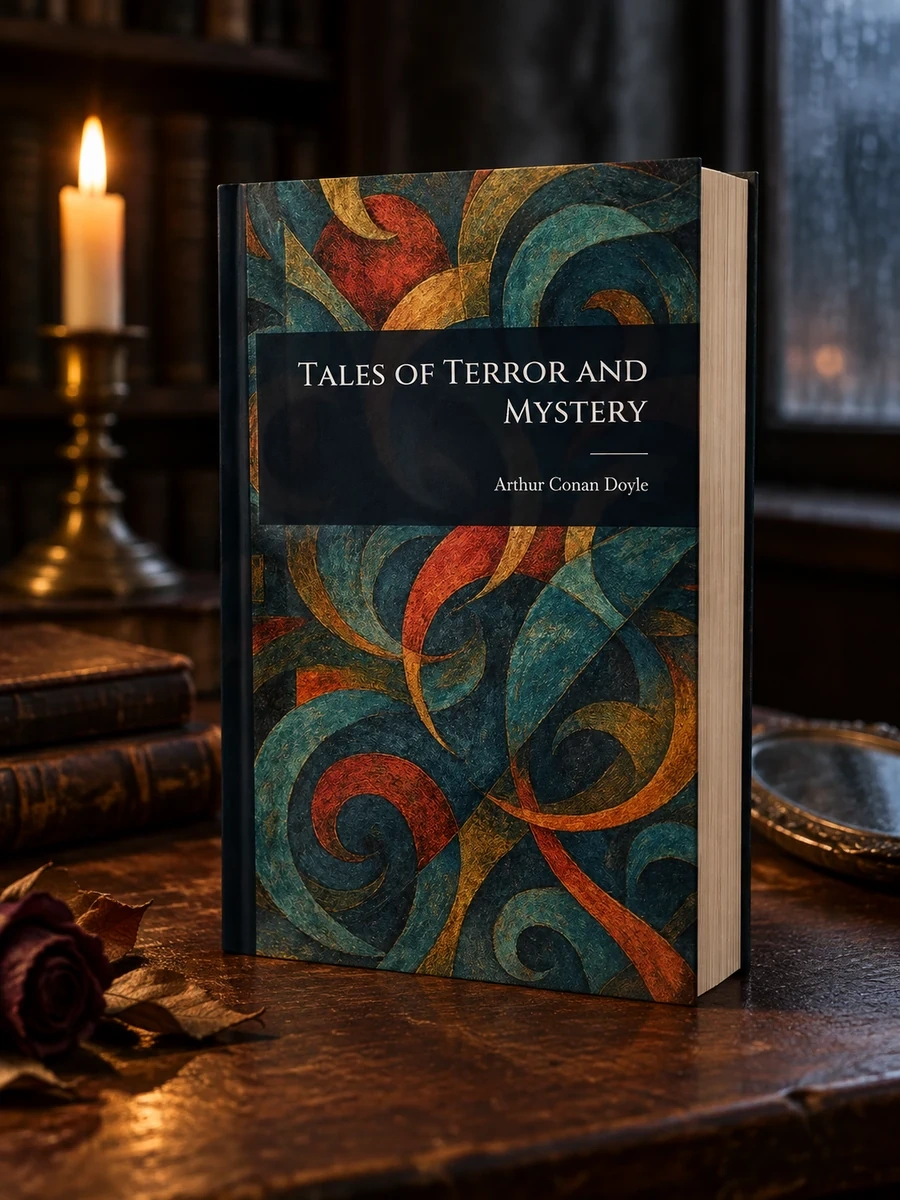
✍️ More books by this author Arthur Conan Doyle



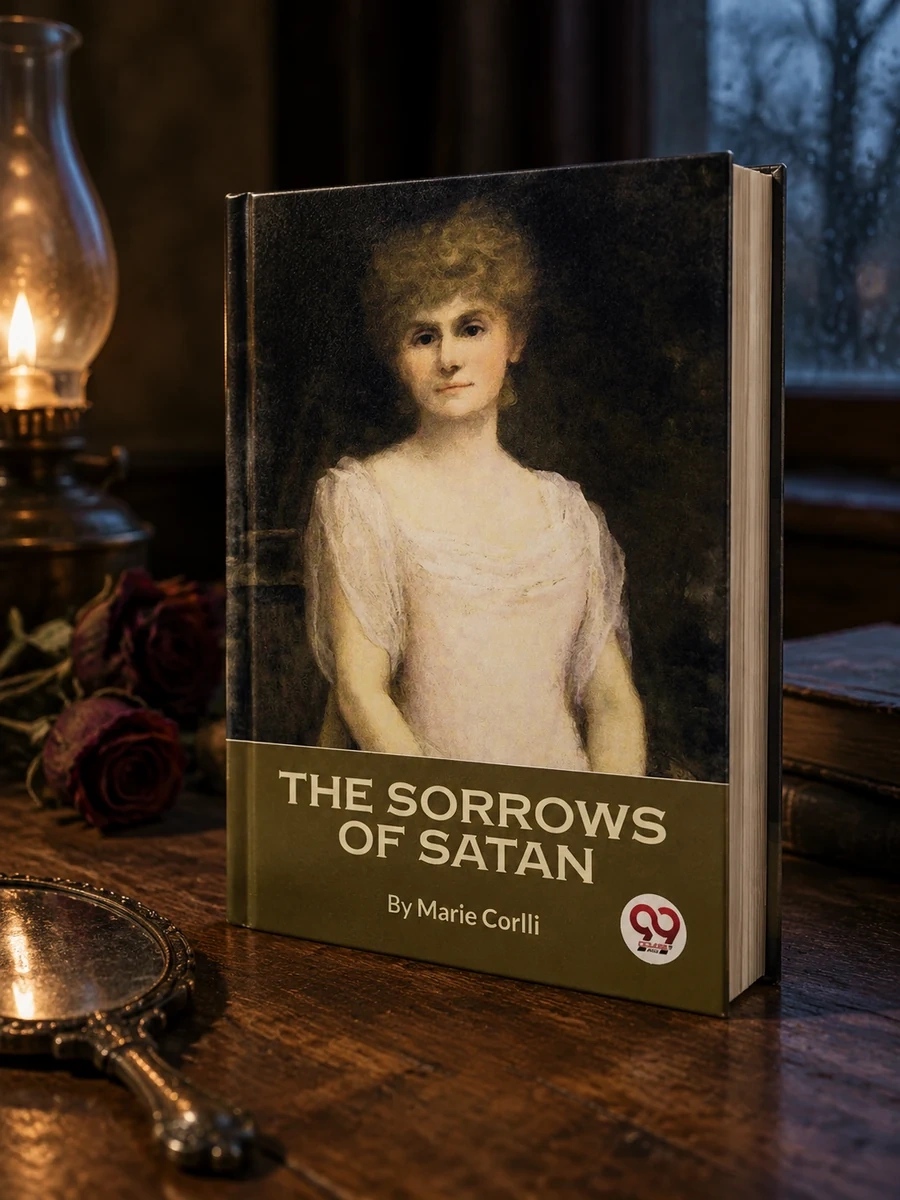
🏛 Books from this publisher Double 9 Booksllp

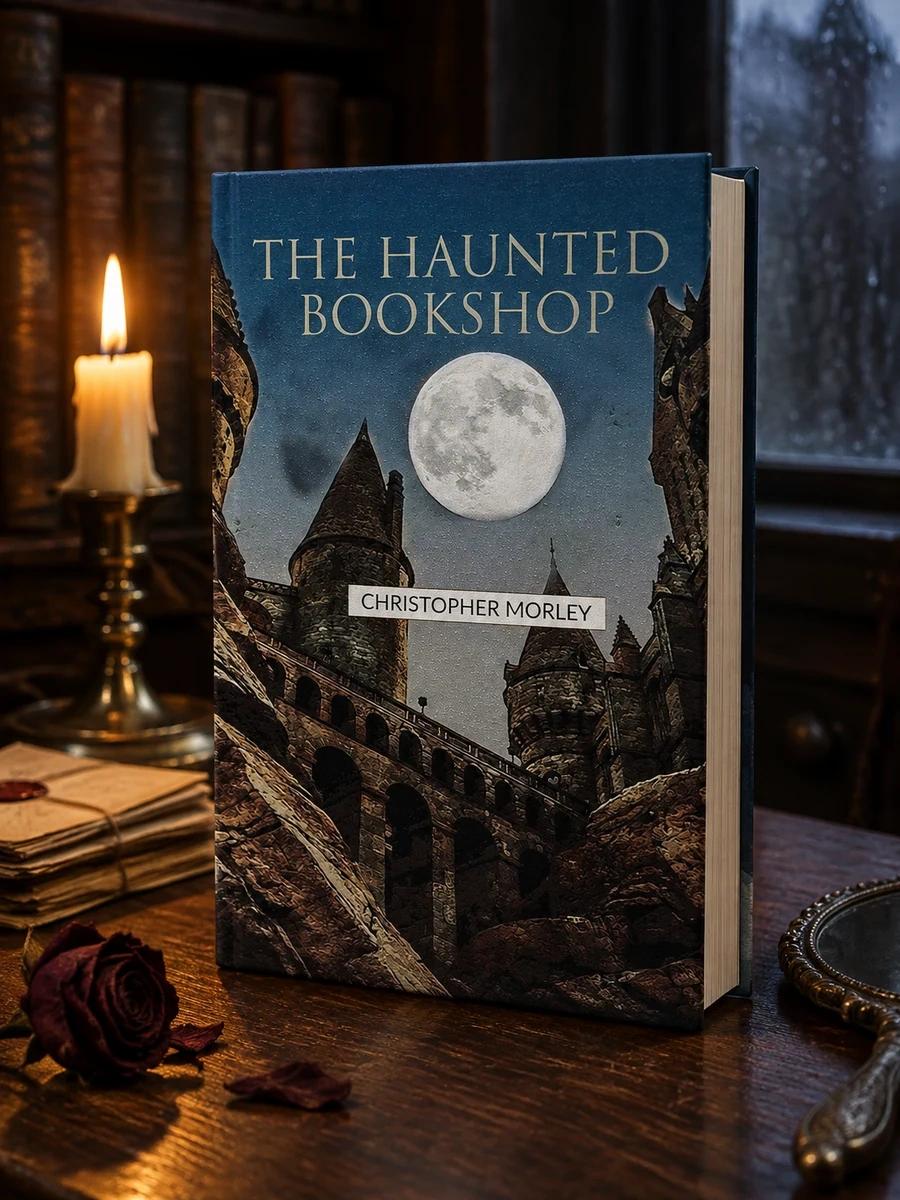
You might also like
See more →


Have a question about this item?
Ask about the edition, condition, delivery or anything else — we reply by email or phone, usually within a day.
