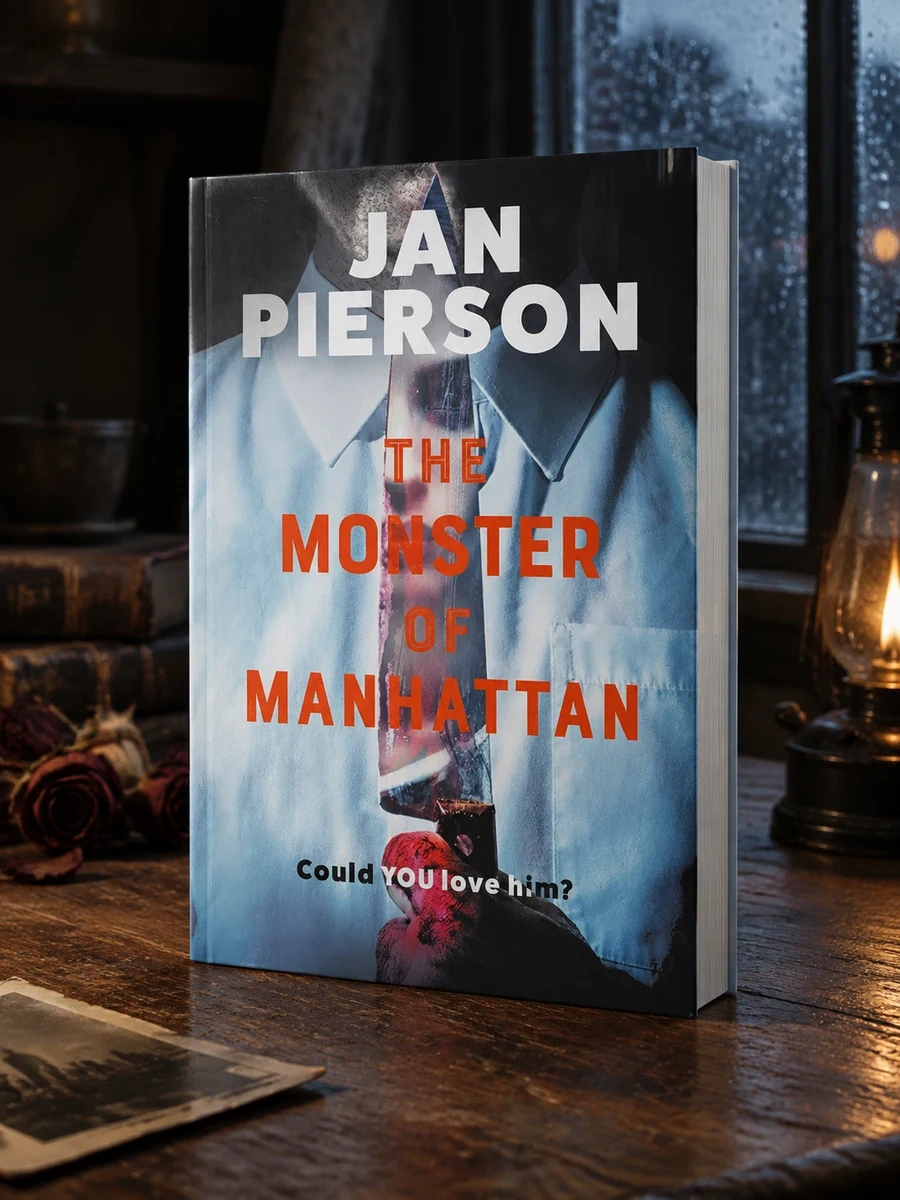
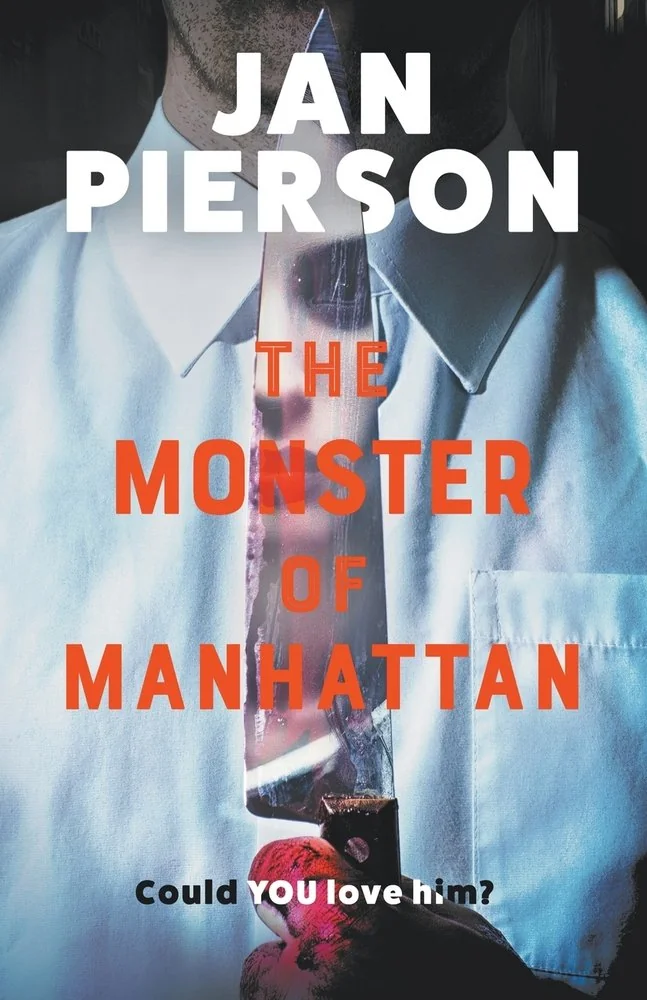
The Monster of Manhattan
A psychopathic immigrant destroys Manhattan lives through manipulation.
This work examines the destructive impact of one man on his community. Pierson focuses on Pierre, a Frenchman who brings chaos to New York City. The text details how he uses psychological pressure rather than physical strength to control others. Characters like Jacque and Jenine react differently to his presence. Their responses highlight the varying degrees of resistance and submission possible in such an environment. The story does not offer easy answers or clear moral victories. Instead, it presents a grim view of human nature under extreme stress.
The narrative is set in Manhattan during the early 1990s. It draws on themes of immigration and social alienation within that specific period. The setting provides a backdrop for exploring power dynamics among academics and immigrants.


📝 Description: The Monster of Manhattan
💎 Our verdict on The Monster of Manhattan
📖 Why choose it
Why this book is worth reading
Readers drawn to the intricate mechanics of psychological manipulation and the grim realities of human nature under extreme stress will find this narrative compelling. It is ideal for those who appreciate horror that eschews supernatural tropes in favor of visceral, realistic dread derived from social dynamics. Fans of stories where intelligence and cruelty serve as primary weapons will engage with the complex interplay between the protagonist and his victims. The book offers a stark examination of power, submission, and the fragility of sanity within academic and immigrant communities. It provides no easy moral victories, appealing instead to audiences comfortable with ambiguous endings and deep dives into the darker aspects of the human psyche.
⭐ Reader reviews
Reader rating
Pierson delivers a chilling portrait of Pierre, a manipulative force who deforms the lives of those around him through psychological pressure rather than physical strength. The narrative excels in its grim exploration of human cruelty, avoiding traditional monster tropes to focus on realistic dread and urban decay. Characters like Jacque and Jenine provide nuanced reactions to this destructive presence, highlighting varying degrees of resistance and submission. While the story lacks clear moral victories or hopeful endings, its strength lies in the unsettling depiction of domination and revenge within academic circles. This work suits readers interested in psychological horror who prefer complex character studies over simple scares. It challenges the audience to question the nature of survival and complicity in a hostile environment.
You might also like
See more →







Have a question about this item?
Ask about the edition, condition, delivery or anything else — we reply by email or phone, usually within a day.
