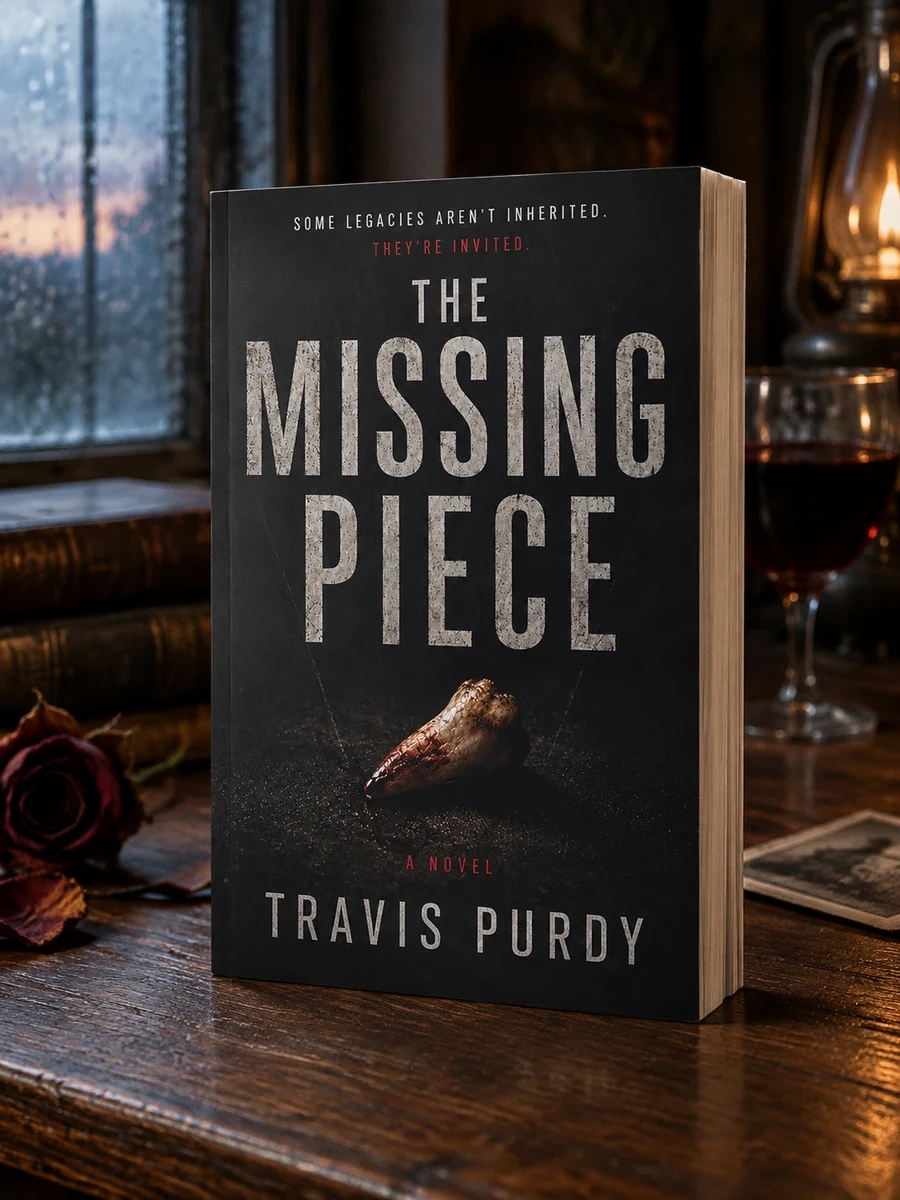
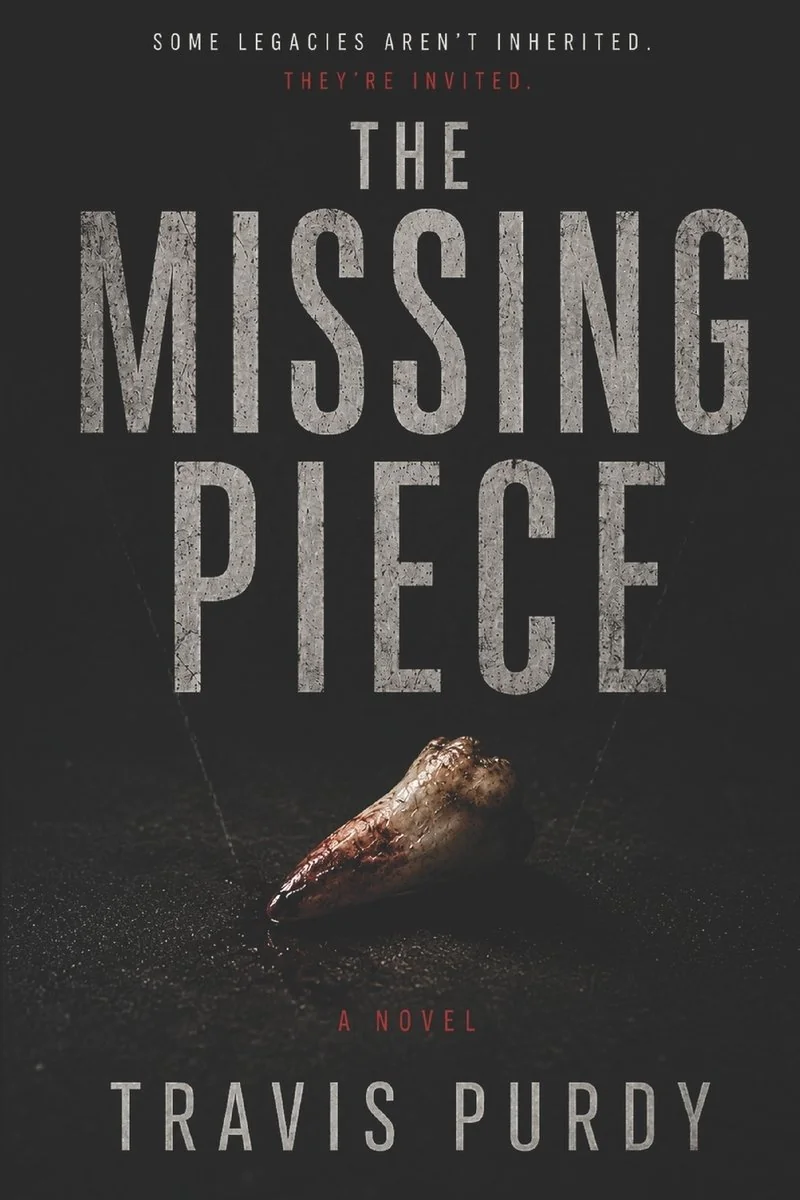
The Missing Piece
A psychological thriller about a woman questioning her sanity in a house with a dark memory.
This work examines the fragility of human perception when confronted with unexplainable domestic anomalies. The protagonist, Claire, faces a crisis where she cannot distinguish between environmental flaws and personal mental decline. The narrative emphasizes the isolation that comes from having no proof for one's fears. It challenges the reader to consider how easily reality can be distorted by subtle, persistent inconsistencies. The story avoids traditional jump scares in favor of lingering psychological discomfort. It focuses on the internal struggle of a family whose bonds are tested by an unknown presence. The tension arises from the inability to identify the source of the disturbance. This creates a claustrophobic atmosphere that mirrors Claire's deteriorating mental state.
The book sits within the contemporary independent publishing landscape of 2026. It engages with modern psychological horror traditions that focus on internal dread rather than external threats. The narrative reflects current interests in unreliable narration and the ambiguity of supernatural phenomena.


📝 Description: The Missing Piece
💎 Our verdict on The Missing Piece
📖 Why choose it
Why this book is worth reading
Readers who appreciate slow-burn psychological tension and the unsettling ambiguity of domestic gothic fiction will find this narrative compelling. It offers a claustrophobic exploration of isolation, where horror stems from the unraveling of reality rather than external monsters. Those who enjoy analyzing the mechanics of doubt and the fragility of familial bonds in the face of unexplainable anomalies will gain satisfaction from its lingering discomfort. It is ideal for audiences seeking intellectual engagement with themes of memory distortion and mental decline, provided they accept a lack of clear resolution or fast-paced action.
⭐ Reader reviews
Reader rating
Purdy effectively constructs a claustrophobic atmosphere by focusing on subtle, persistent inconsistencies that challenge the protagonist's grip on reality. The narrative excels in mirroring Claire’s deteriorating mental state through environmental flaws, creating a sense of dread that lingers long after reading. By avoiding traditional jump scares and explicit gore, it prioritizes psychological tension, making it a refined entry into the psychological horror subgenre. This approach suits readers who enjoy domestic gothic fiction and slow-burn thrillers where the horror is internal and ambiguous. However, those seeking definitive answers or high-octane action may find the experience too restrained and unresolved.
📖 Read on the blog
🏛 Books from this publisher Independently Published








You might also like
See more →
Have a question about this item?
Ask about the edition, condition, delivery or anything else — we reply by email or phone, usually within a day.
