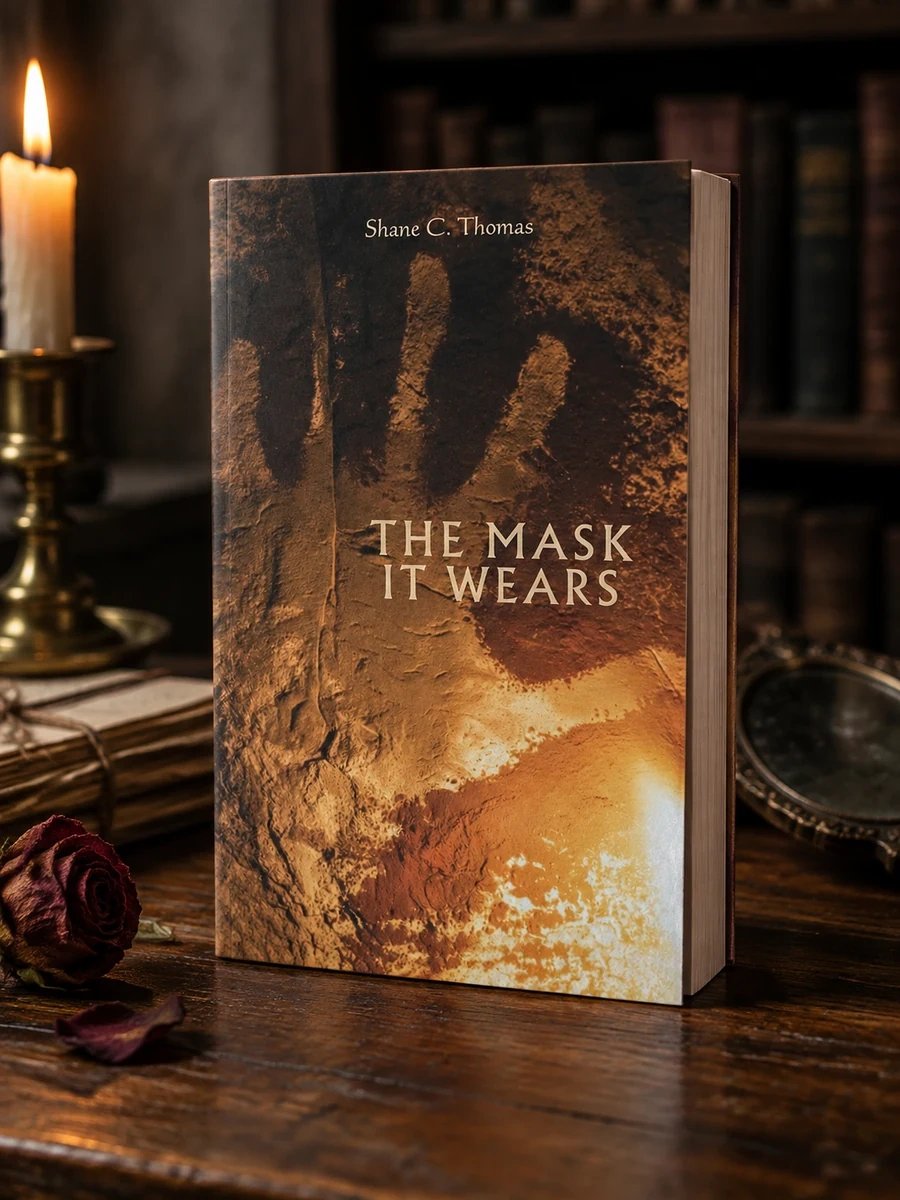
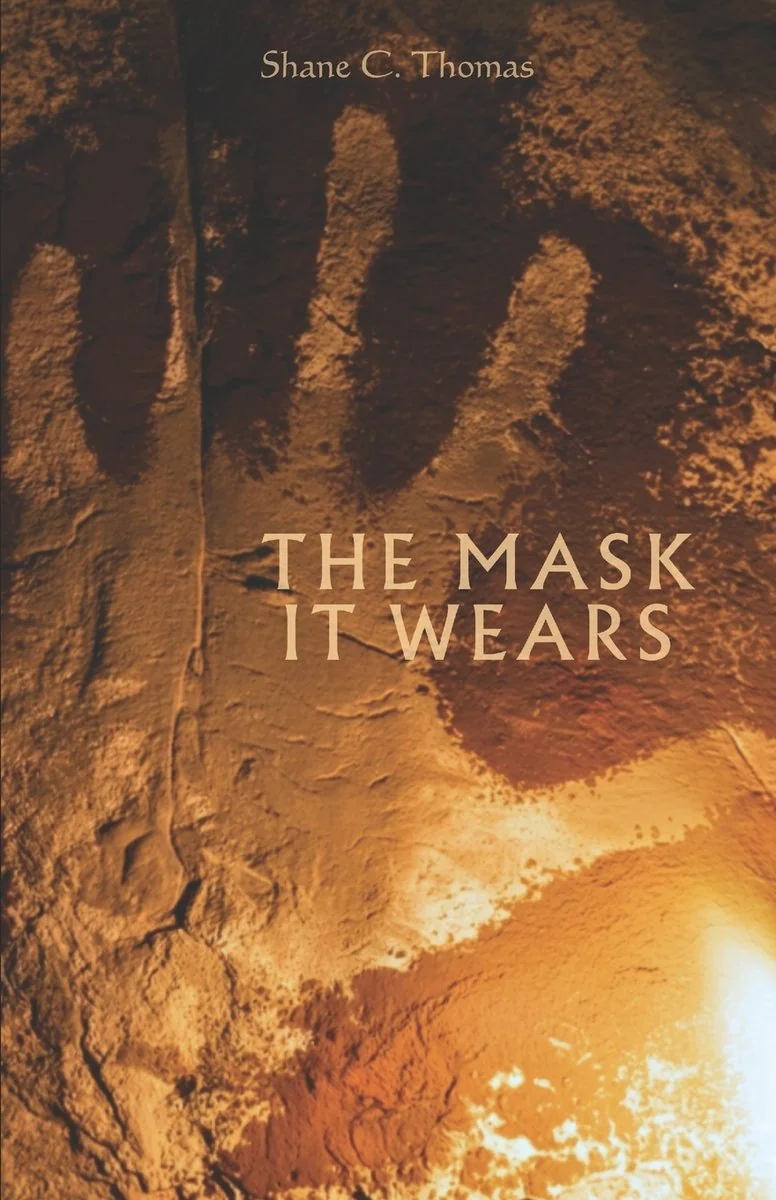
The Mask It Wears
A novella tracing an entity through history from caves to classified facilities.
Thomas investigates the nature of contact by showing how a single presence adapts to human perception across time. The text moves from ancient cave paintings to modern military sites, highlighting the continuity of fear and misunderstanding. It suggests that the masks we wear for the unknown are reflections of our own cultural readiness rather than the entity's true form. This approach creates a sense of unease rooted in history and psychology. The narrative does not offer easy answers but invites readers to consider the limits of human understanding when faced with the truly alien.
The novella bridges ancient folklore traditions with modern science fiction tropes. It references prehistoric art, mid-century UFO lore at Roswell, and contemporary military secrecy. This blend places the work in a lineage of speculative fiction that questions reality through historical lenses.


📝 Description: The Mask It Wears
💎 Our verdict on The Mask It Wears
📖 Why choose it
Why this book is worth reading
Readers seeking a philosophical horror experience will find this novella compelling, as it prioritizes thematic depth over traditional jump scares. It suits those interested in the limits of human understanding when faced with the truly alien, offering an unease rooted in history and psychology rather than visceral terror. The book challenges assumptions about cosmic contact, suggesting the barrier is our inability to converse with what we cannot understand. Those who appreciate atmospheric dread and the concept of concealment will gain from its examination of how different eras project their own fears onto a singular presence. However, readers expecting fast-paced action or clear resolutions may find the ambiguity frustrating, as the narrative demands patience and attention to its complex layers.
⭐ Reader reviews
Reader rating
Shane Thomas crafts a literary novella that examines humanity's interpretation of the unknown through a singular entity adapting across time. By tracing this presence from prehistoric caves to classified facilities, Thomas highlights the continuity of fear and misunderstanding. The work succeeds in creating unease by suggesting masks we wear for the unknown are reflections of cultural readiness rather than the entity's true form. It appeals strongly to fans of cosmic horror and dark fantasy who enjoy ambiguous narratives. While it lacks easy answers, its strength lies in inviting readers to consider the limits of human perception. This is a thoughtful, albeit demanding, entry for those willing to engage with profound questions about contact and concealment without expecting conventional plot resolutions.
📖 Read on the blog
🏛 Books from this publisher Independently Published








You might also like
See more →
Have a question about this item?
Ask about the edition, condition, delivery or anything else — we reply by email or phone, usually within a day.
