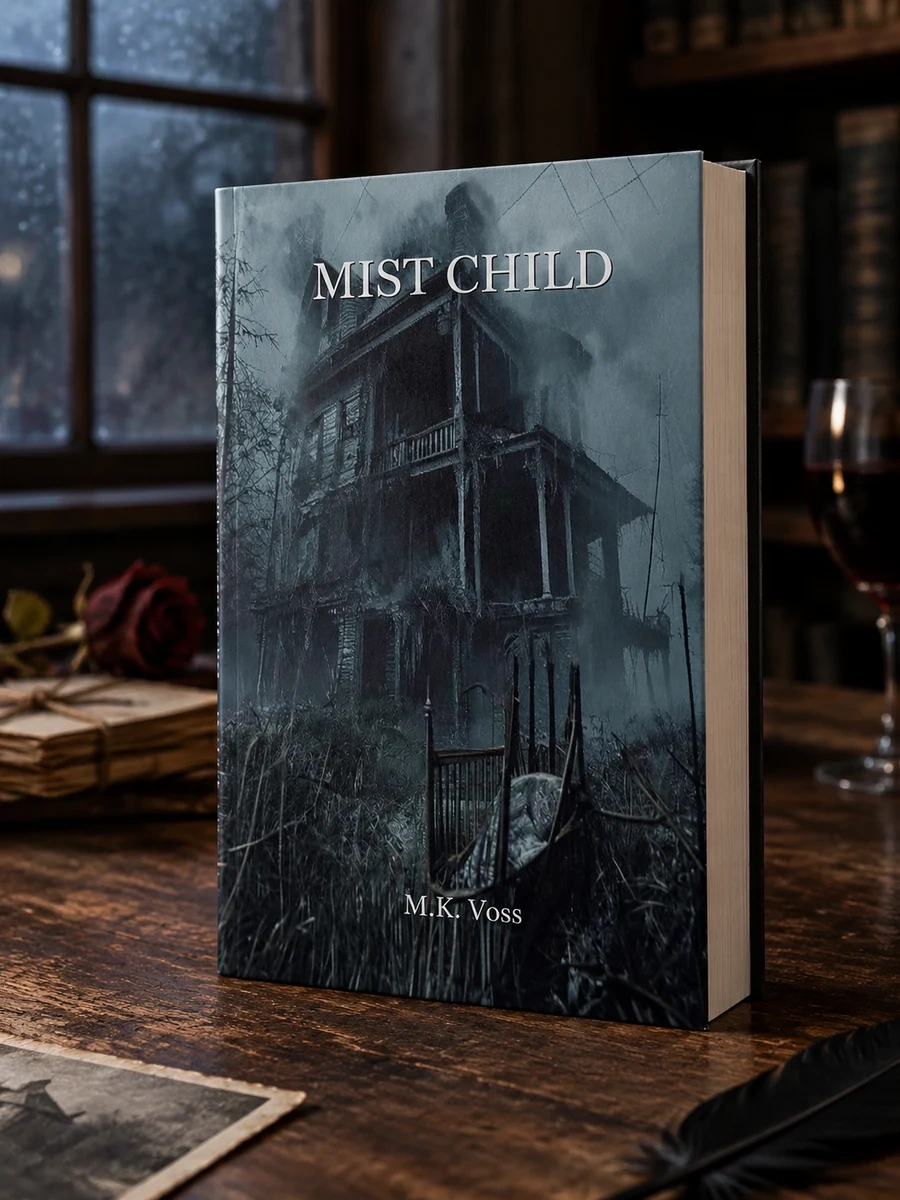
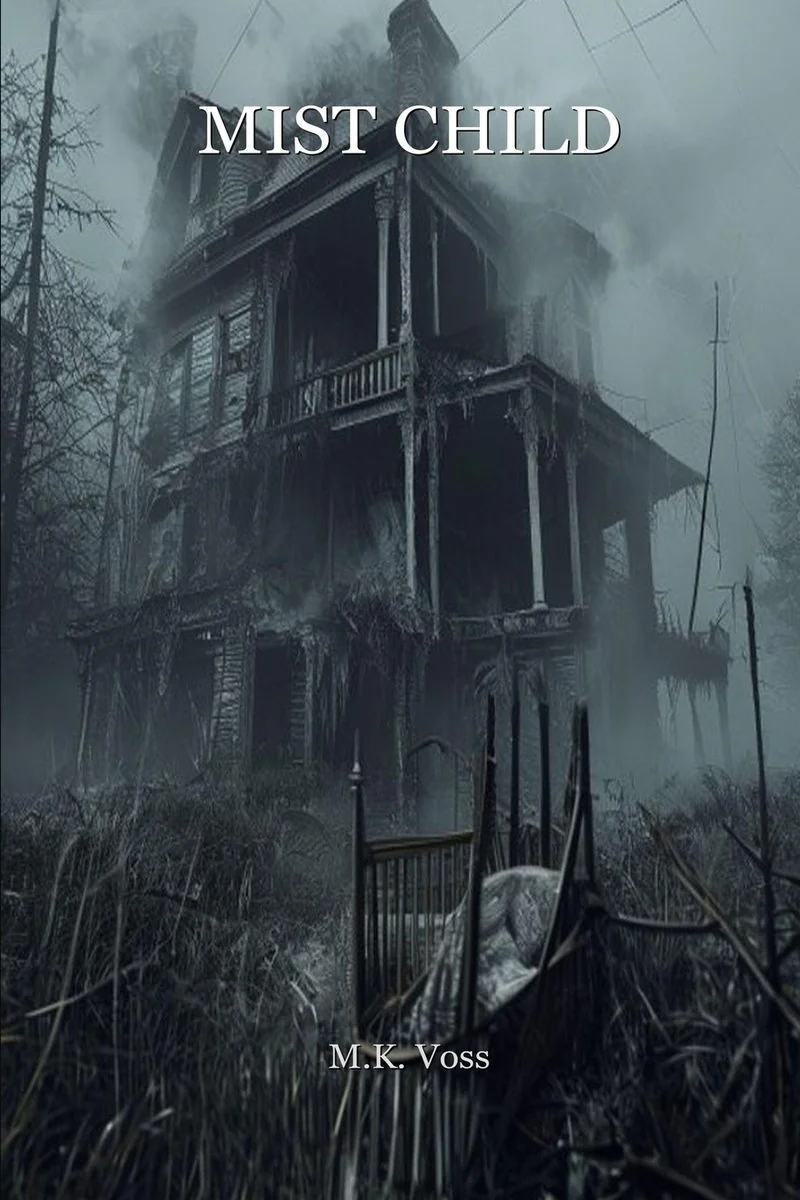
Mist Child
A mother faces an obsidian entity in Blackwood Valley fog while battling postpartum psychosis.
The narrative focuses on Elara’s isolation and her struggle to distinguish between mental illness and supernatural threat. The setting of Blackwood Valley provides a claustrophobic backdrop for her unraveling sanity. Her husband’s refusal to believe her exacerbates her fear, creating a dynamic where she must rely solely on her own perception. The obsidian shadow serves as the central antagonist, offering a dark bargain that tests Elara’s resolve. This story explores the terrifying possibility that grief can attract real evil. It is suitable for fans of gothic fiction who appreciate slow-burn tension and psychological depth over action-heavy plots.
This work fits within the tradition of American gothic horror, drawing on themes of rural isolation and maternal anxiety. It reflects contemporary interests in mental health struggles portrayed through supernatural lenses. The setting of an isolated farm emphasizes traditional fears of being cut off from help.


📝 Description: Mist Child
💎 Our verdict on Mist Child
📖 Why choose it
Why this book is worth reading
Readers seeking a deeply unsettling exploration of mental fragility and supernatural ambiguity will find this narrative compelling. It appeals to those who appreciate atmospheric dread and the intersection of grief with horror. The book offers a suffocating environment where the mist acts as an active participant in terror. Fans of gothic fiction who value psychological depth over clear resolutions will gain from the intense focus on maternal anxiety twisted into horror. The story does not provide easy answers but immerses the reader in a world where trust in one’s own mind becomes impossible. It is ideal for those comfortable with ambiguity and slow-burn tension that prioritizes emotional and psychological unraveling over conventional plot mechanics or action-heavy sequences.
⭐ Reader reviews
Reader rating
Voss crafts a claustrophobic narrative where isolation and fog obscure reality, challenging the reader to distinguish between psychosis and supernatural threat. The obsidian entity serves as a potent symbol of grief-induced evil, testing Elara’s resolve through dark bargains. The book excels in building suffocating tension and exploring the thin line between hallucination and invasion. It suits readers who enjoy atmospheric horror and studies of maternal vulnerability. Those seeking lighthearted tales or definitive endings may find the ambiguity unsettling. The narrative immerses one in a world where the environment itself feels malevolent, offering a haunting examination of fear and perception rather than traditional scares.
📖 Read on the blog
🏛 Books from this publisher Independently Published








You might also like
See more →
Have a question about this item?
Ask about the edition, condition, delivery or anything else — we reply by email or phone, usually within a day.
