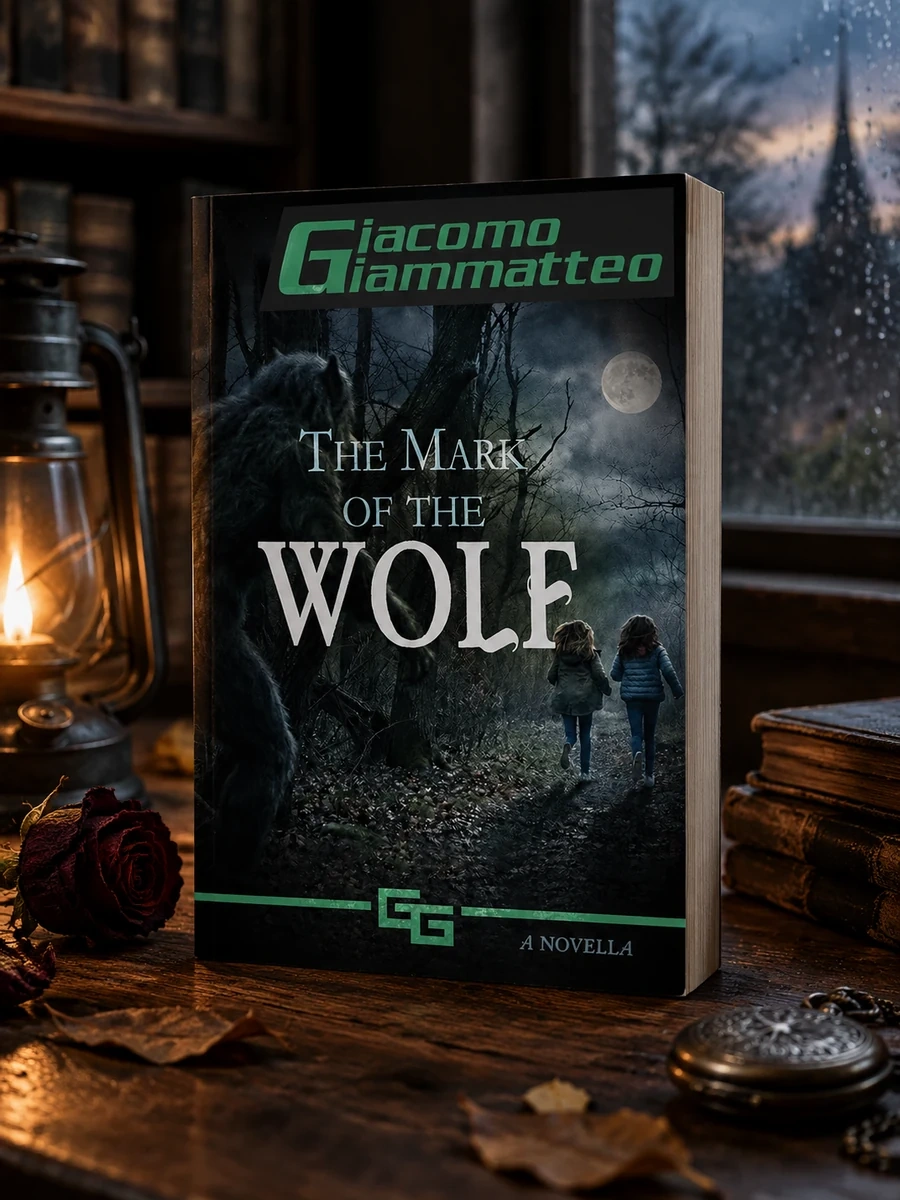
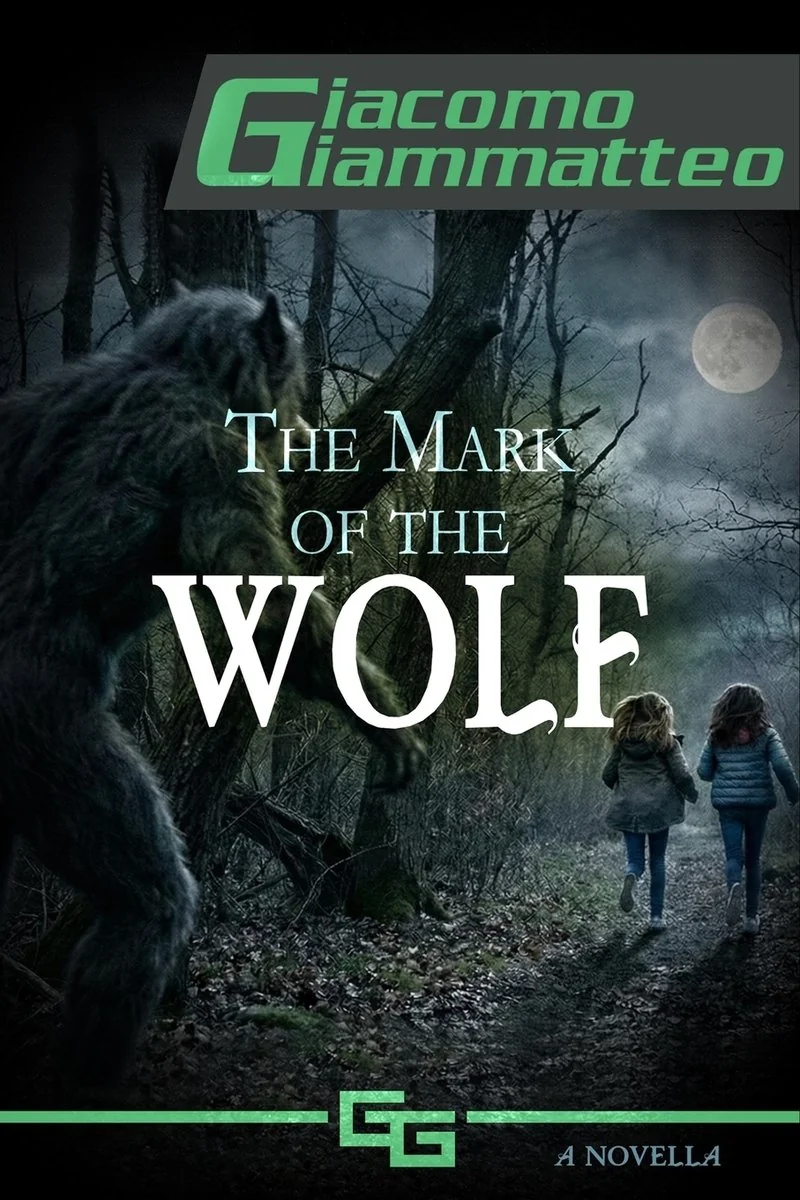
The Mark of the Wolf
A millworker with a wolf curse hunts a serial killer hiding behind folklore.
This novel examines the intersection of supernatural curses and human malice. Giammatteo presents a dual threat scenario where a mythical beast and a mortal predator both endanger Valleys End. The story focuses on Tulli’s attempt to maintain control over his transformations while others accuse him of violence he did not commit. The plot relies on the confusion caused by overlapping fears, allowing a human killer to operate unseen. It is a study of how superstition can blind a community to actual danger.
The book is published by Inferno Publishing Company in 2026. It draws on the traditional werewolf legend and places it within the setting of Idaho. The narrative engages with gothic horror tropes and supernatural fiction conventions common in American genre literature.


📝 Description: The Mark of the Wolf
💎 Our verdict on The Mark of the Wolf
📖 Why choose it
Why this book is worth reading
Readers who appreciate the tension between supernatural dread and human malice will find significant value in this narrative. It offers a compelling exploration of prejudice, where superstition blinds a community to actual evil. Those interested in gothic horror and psychological themes will enjoy the dual-threat structure that challenges perceptions of monstrosity. It is ideal for audiences seeking dark fantasy with serious social commentary rather than lighthearted entertainment. The book provides a rigorous look at how fear can be weaponized by predators, making it a rewarding choice for fans of complex character studies within the horror genre.
⭐ Reader reviews
Reader rating
Giammatteo effectively juxtaposes internal struggle against external threats, using the werewolf mythos to explore fear and prejudice in Valleys End. The narrative cleverly utilizes overlapping fears to allow a human killer to operate unseen, creating a tense atmosphere where superstition masks reality. This approach suits readers who enjoy gothic horror and supernatural fiction that examines societal blindness. By focusing on Tulli’s attempt to maintain control while others accuse him of violence, the story delivers a sharp critique of community hysteria. It is best appreciated by those willing to engage with darker themes and complex moral ambiguities rather than seeking simple resolutions.
You might also like
See more →







Have a question about this item?
Ask about the edition, condition, delivery or anything else — we reply by email or phone, usually within a day.
